White Rice VS Baguette
A detailed nutritional comparison
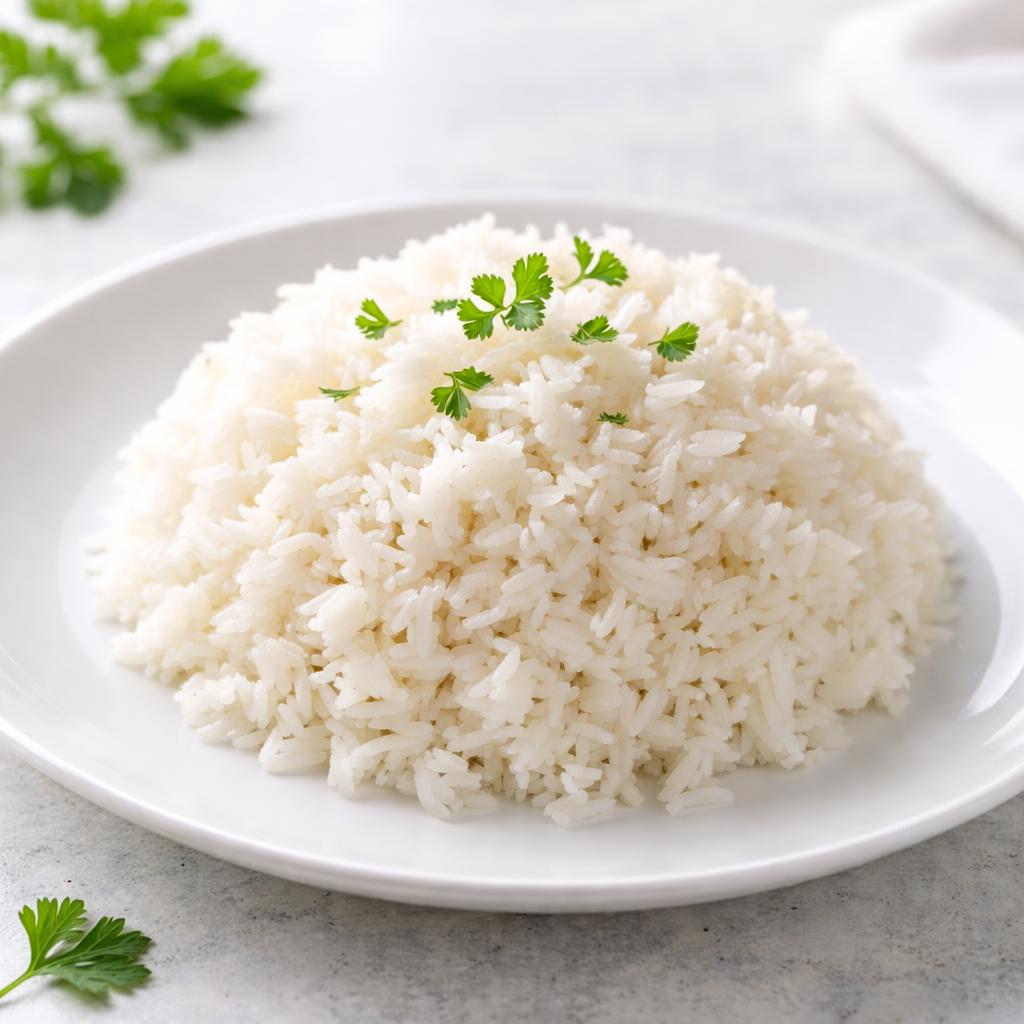
White Rice
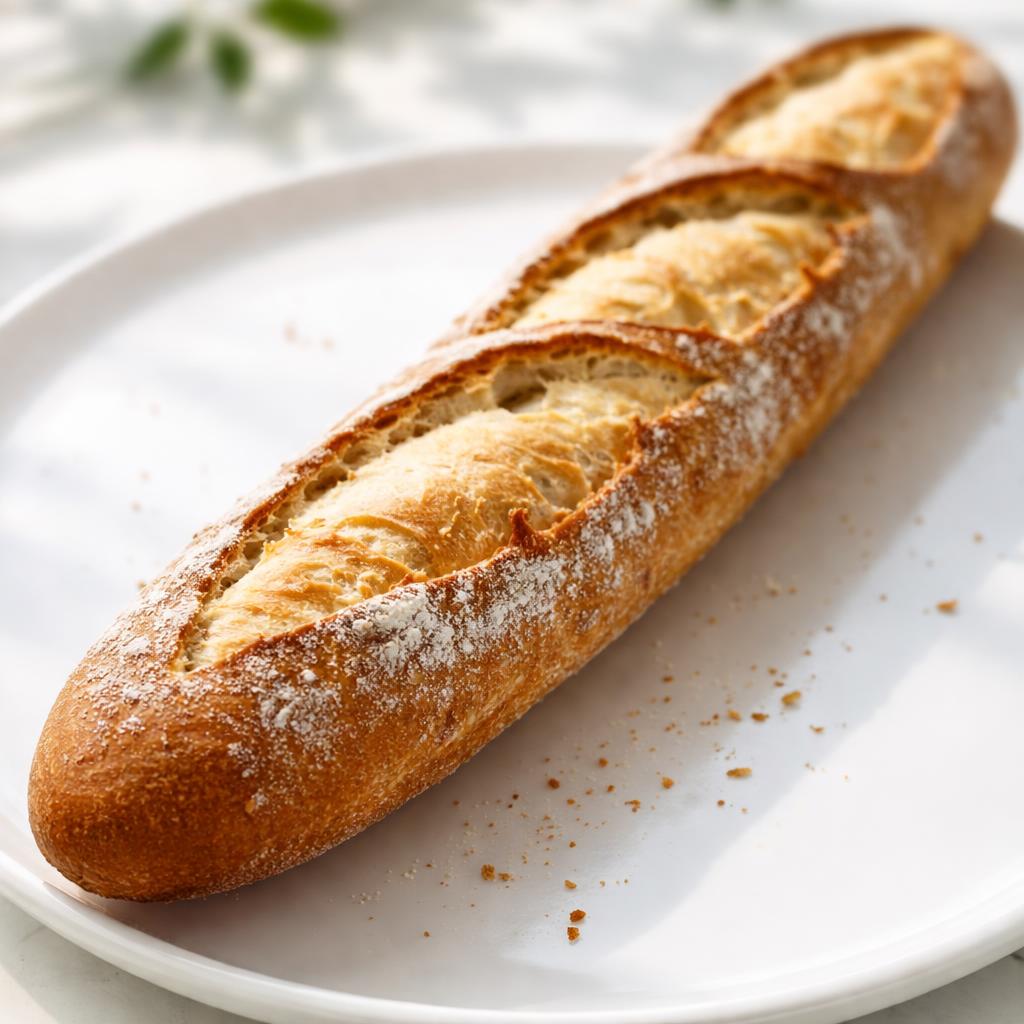
Baguette
🎯 Quick Verdict
White rice is lower in calories but primarily a carbohydrate source with minimal protein and fiber. Baguette provides more protein and fiber per serving but is higher in calories. White rice is ideal for quick energy or pairing with other nutrient-dense foods, while baguette offers higher satiety due to its heavier macronutrient profile.

Smart Nutrition Tracking with SnapCalorie

📊 Nutritional Comparison
Macronutrients
| Nutrient | Food 1 | Food 2 | Winner |
|---|---|---|---|
| Calories | 130 per 100g | 270 per 100g | ✓ |
| Protein | 2.7g per 100g | 8g per 100g | ✓ |
| Carbs | 28.7g per 100g | 51g per 100g | ✓ |
| Fat | 0.3g per 100g | 1g per 100g | ✓ |
| Fiber | 0.4g per 100g | 2.7g per 100g | ✓ |
Vitamins & Minerals
| Nutrient | Food 1 | Food 2 | Winner |
|---|---|---|---|
| Vitamin D | 0mcg | 0mcg | − |
| Calcium | 10mg per 100g | 95mg per 100g | ✓ |
| Iron | 0.1mg per 100g | 0.8mg per 100g | ✓ |
🏆 Category Winners
Protein
Baguette contains nearly three times more protein than white rice.
Fiber
Baguette offers significantly more fiber, aiding digestion.
Calories
White rice is nearly half the calories per 100g compared to baguette.
Vitamins
Baguette has higher calcium and iron content, which supports bone health and oxygen transport.
🥗 Diet Compatibility
Keto
Food 1: Not Compatible
Food 2: Not Compatible
Both are high in carbs and not suitable for keto diets.
Vegan
Food 1: Compatible
Food 2: Compatible
Both foods are plant-based and free from animal products.
Gluten Free
Food 1: Compatible
Food 2: Not Compatible
White rice is naturally gluten-free, but baguette contains wheat gluten.
Paleo
Food 1: Compatible
Food 2: Not Compatible
White rice can fit into a modified paleo diet, but baguette is processed and not paleo-compliant.
Low Carb
Food 1: Not Compatible
Food 2: Not Compatible
Both foods are carb-heavy and unsuitable for low-carb diets.
💪 Health Benefits Comparison
Food 1 Benefits
- Quick energy source from easily digestible carbs.
- Naturally gluten-free for individuals with sensitivities.
- Versatile base for nutrient-dense meals.
Food 2 Benefits
- Higher fiber content supports digestive health.
- Provides protein for satiety and muscle maintenance.
- Contains minerals like calcium and iron for bone strength and oxygen transport.
✅ The Bottom Line
White rice is suitable for those seeking a low-calorie, gluten-free option or pairing with protein-rich dishes. Baguette is better for individuals looking for higher protein and fiber content or seeking a more filling food option.
Choose Food 1 for: Low-calorie meals, gluten-free diets, quick energy
Choose Food 2 for: Satiety, higher protein diets, balanced nutrient intake


