White Rice VS Bagel
A detailed nutritional comparison
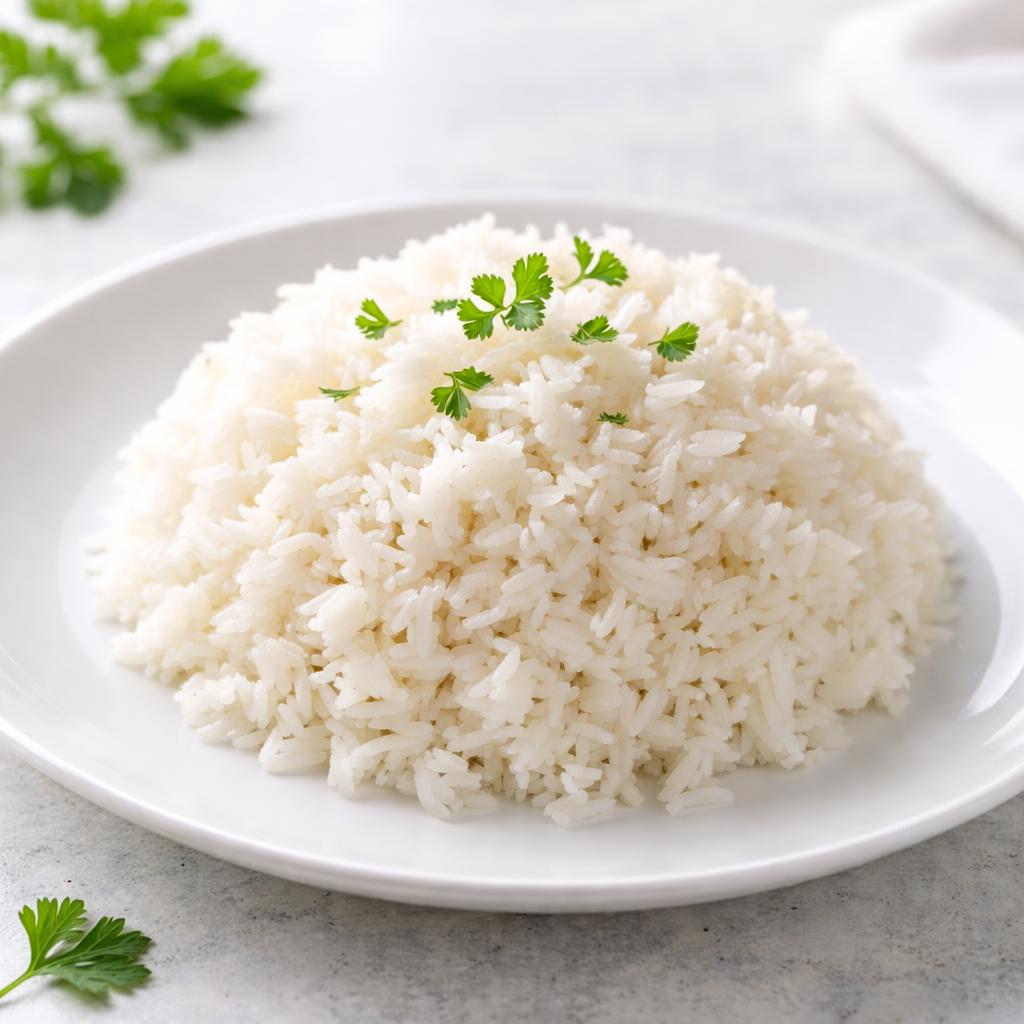
White Rice
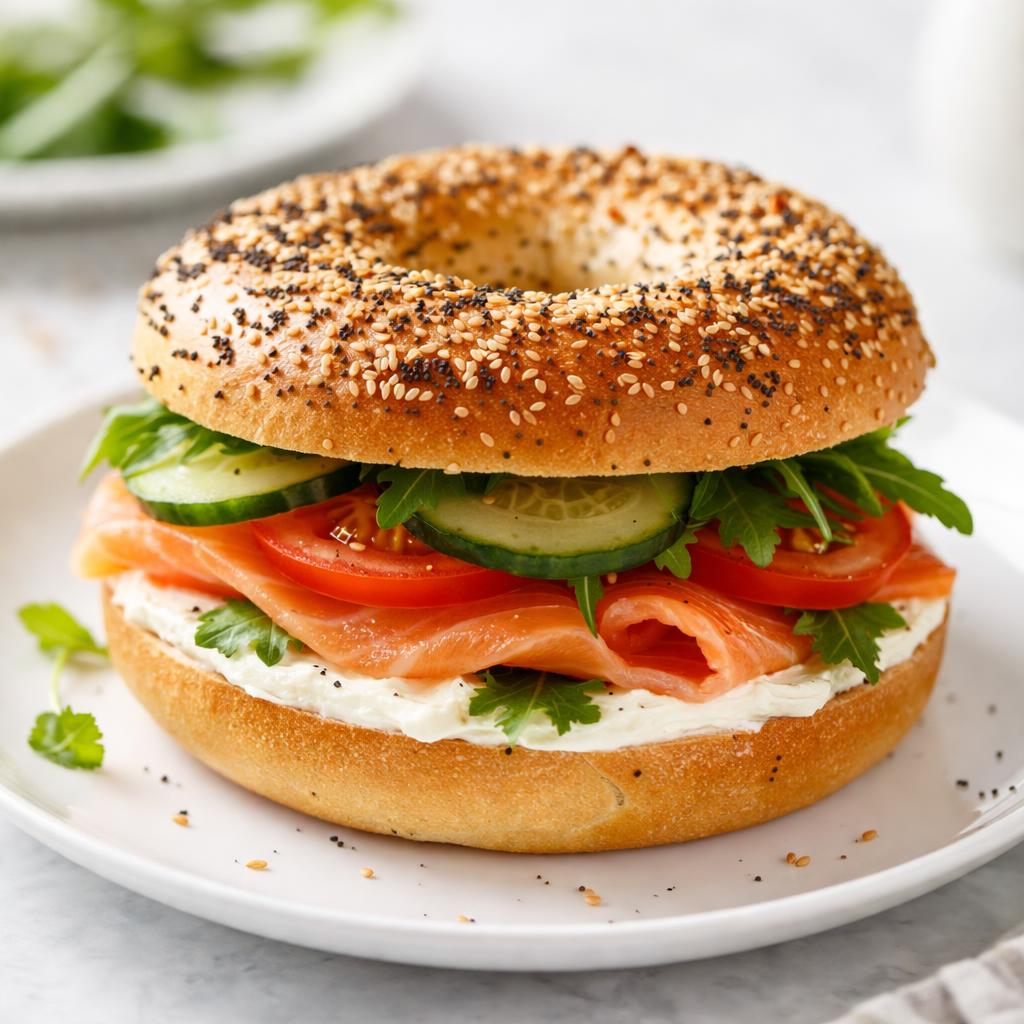
Bagel
🎯 Quick Verdict
While white rice is notably lower in calories and provides a simpler carbohydrate profile, bagels contain more protein and fiber, making them more filling and nutrient-dense. White rice is ideal for energy and easy digestion, while bagels are better for sustained energy and satiety due to their higher protein and fiber content.

Smart Nutrition Tracking with SnapCalorie

📊 Nutritional Comparison
Macronutrients
| Nutrient | Food 1 | Food 2 | Winner |
|---|---|---|---|
| Calories | 130 | 270 | ✓ |
| Protein | 2.5g | 9g | ✓ |
| Carbs | 28g | 53g | ✓ |
| Fat | 0.3g | 1g | ✓ |
| Fiber | 0.5g | 2g | ✓ |
Vitamins & Minerals
| Nutrient | Food 1 | Food 2 | Winner |
|---|---|---|---|
| Vitamin D | 0mcg | 0mcg | − |
| Calcium | 10mg | 20mg | ✓ |
| Iron | 0.1mg | 2mg | ✓ |
🏆 Category Winners
Protein
Bagels contain over 3.5x more protein than white rice per serving.
Fiber
Bagels provide 4x more fiber, aiding digestion and satiety.
Calories
White rice has 52% fewer calories, making it suitable for lower-calorie meals.
Vitamins
Bagels contain more calcium and iron compared to white rice.
🥗 Diet Compatibility
Keto
Food 1: Not Compatible
Food 2: Not Compatible
Both foods are high in carbohydrates and unsuitable for keto diets.
Vegan
Food 1: Compatible
Food 2: Compatible
Both foods are plant-based and suit vegan diets.
Gluten Free
Food 1: Compatible
Food 2: Not Compatible
White rice is gluten-free, whereas bagels are made with wheat flour and contain gluten.
Paleo
Food 1: Compatible
Food 2: Not Compatible
White rice is occasionally allowed in some paleo diets, but bagels are not paleo-compliant due to refined wheat flour.
Low-Carb
Food 1: Not Compatible
Food 2: Not Compatible
Both foods are carb-dense and unsuitable for low-carb diets.
💪 Health Benefits Comparison
Food 1 Benefits
- Low in calories for portion control
- Easy to digest, making it suitable for people with sensitive stomachs
- Provides quick energy due to simple carbohydrate content
Food 2 Benefits
- High in protein, supporting muscle repair and satiety
- Contains more fiber for improved digestion and fullness
- Provides essential minerals like iron and calcium
✅ The Bottom Line
White rice is an excellent choice for calorie-conscious meals, easy digestion, or quick energy needs, while bagels are better for increased satiety, nutrient density, and a boost in dietary protein and fiber. Choose based on your dietary goals and needs.
Choose Food 1 for: Calorie control, quick energy, dietary simplicity
Choose Food 2 for: Satiety, nutrient density, higher protein and fiber intake


