White Rice VS Apricots
A detailed nutritional comparison
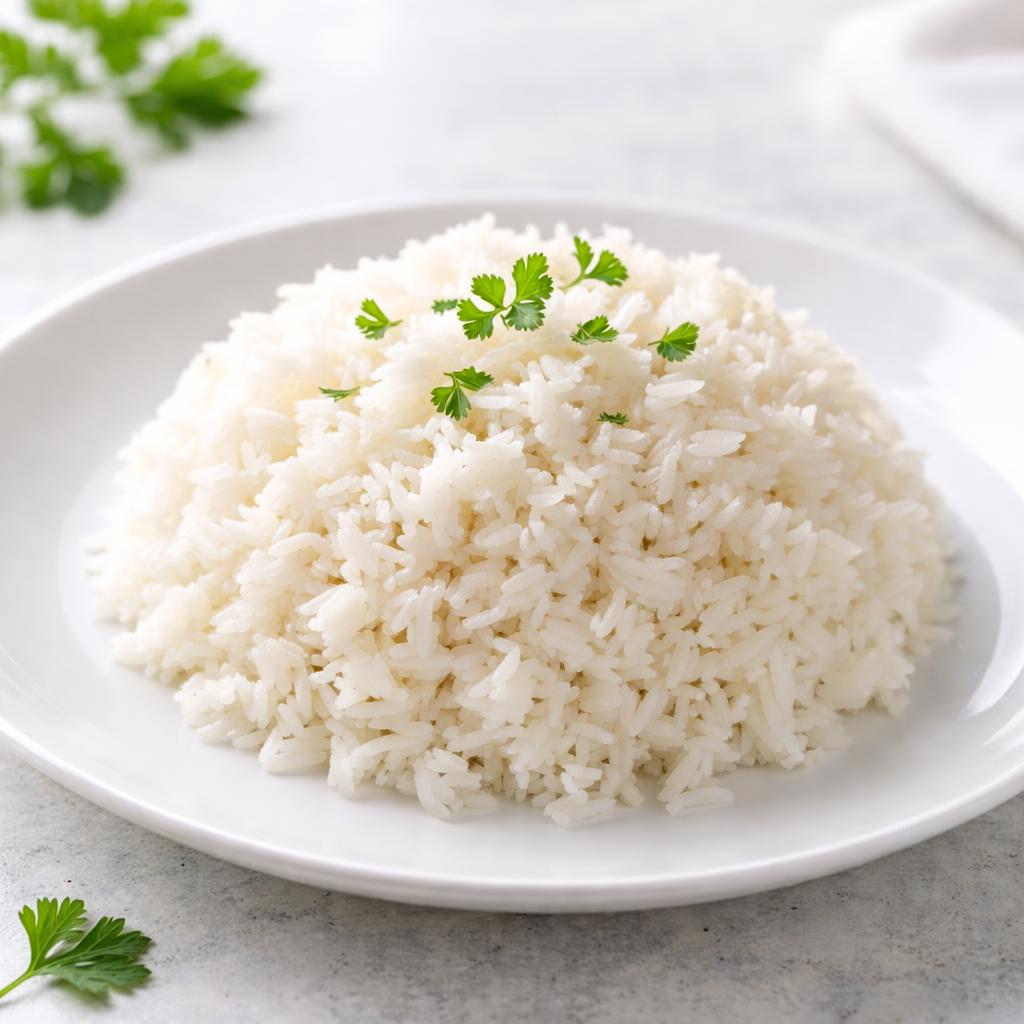
White Rice
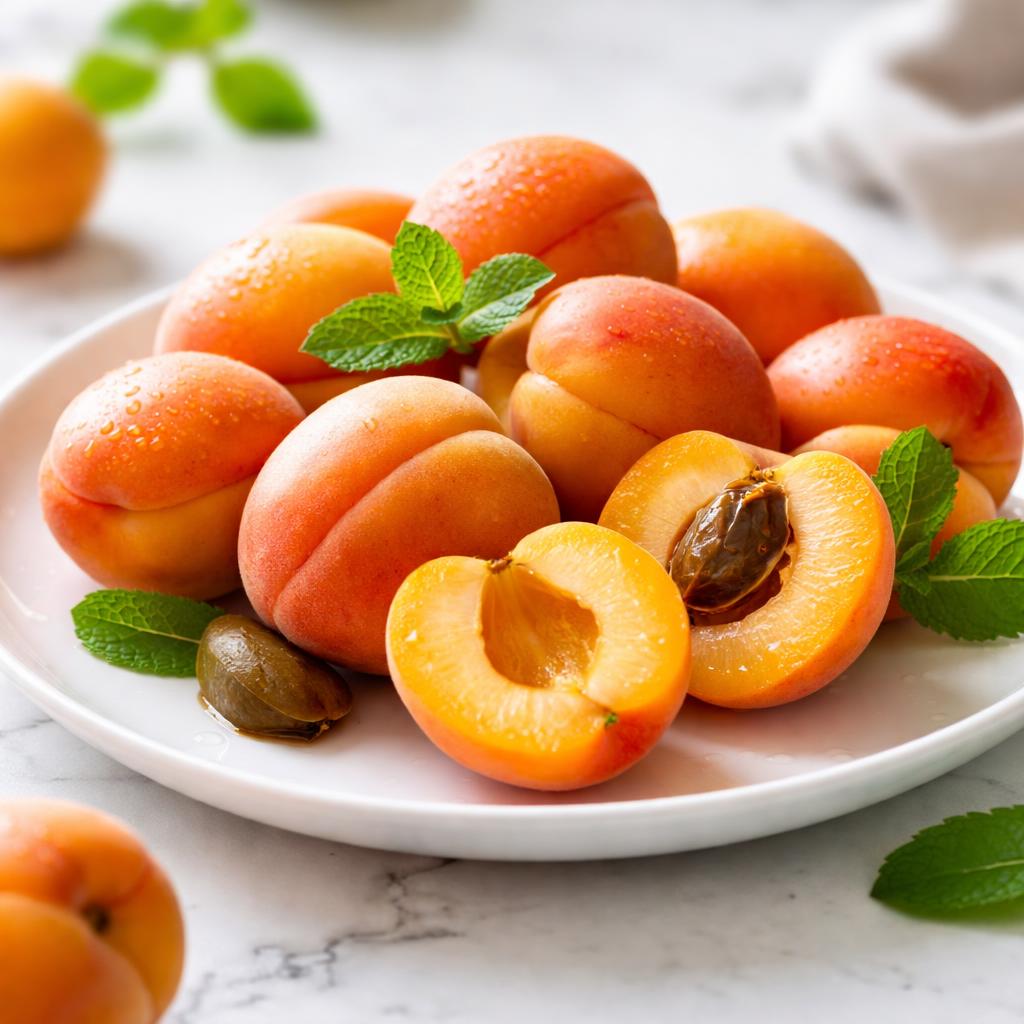
Apricots
🎯 Quick Verdict
White rice is primarily a source of carbohydrates with minimal fiber and protein, making it ideal for quick energy replenishment but not optimal for nutrient density. In comparison, apricots are lower in calories, rich in fiber, vitamins, and antioxidants, making them a highly nutritious choice for healthy snacking or adding to meals. Choose rice for energy and apricots for overall health benefits.

Smart Nutrition Tracking with SnapCalorie

📊 Nutritional Comparison
Macronutrients
| Nutrient | Food 1 | Food 2 | Winner |
|---|---|---|---|
| Calories | 130 | 48 | ✓ |
| Protein | 2.7g | 0.8g | − |
| Carbs | 28g | 11g | ✓ |
| Fat | 0.3g | 0.1g | ✓ |
| Fiber | 0.3g | 2g | ✓ |
Vitamins & Minerals
| Nutrient | Food 1 | Food 2 | Winner |
|---|---|---|---|
| Vitamin A | 0 IU | 1920 IU | ✓ |
| Vitamin C | 0mg | 10mg | ✓ |
| Potassium | 0mg | 259mg | ✓ |
🏆 Category Winners
Protein
Both foods have low protein levels, with negligible differences.
Fiber
Apricots offer over 6 times the fiber of white rice.
Calories
Apricots are significantly lower in calories per serving.
Vitamins
Apricots are rich in vitamin A, C, and potassium, while white rice contains no vitamins in these categories.
🥗 Diet Compatibility
Keto
Food 1: Not Compatible
Food 2: Not Compatible
Both are high in carbohydrates.
Vegan
Food 1: Compatible
Food 2: Compatible
Both foods are plant-based.
Gluten Free
Food 1: Compatible
Food 2: Compatible
Neither food contains gluten.
Paleo
Food 1: Not Compatible
Food 2: Compatible
White rice is considered a grain and not paleo-friendly; apricots are paleo-friendly.
Low-Carb
Food 1: Not Compatible
Food 2: Compatible
Apricots have fewer carbohydrates than white rice, making them a better low-carb choice.
💪 Health Benefits Comparison
Food 1 Benefits
- Provides fast energy due to high carb content
- Low in fat, suitable for low-fat diets
- Simple digestibility for recovery or stomach sensitivity
Food 2 Benefits
- High in fiber for better digestion and gut health
- Rich in antioxidants like vitamin A and C for skin and immune health
- Good source of potassium for heart health and muscle function
✅ The Bottom Line
White rice is best suited for fueling quick energy needs such as before workouts or during recovery, as it is high in carbohydrates but low in nutrients. Apricots, on the other hand, are lower-calorie, nutrient-dense fruits excellent for overall health, digestion, and antioxidant support.
Choose Food 1 for: Quick energy, bland food diets, pairing with protein-rich meals
Choose Food 2 for: Healthy snacking, boosting vitamin intake, improving digestion


