White Bread VS Whole Meal Bread
A detailed nutritional comparison
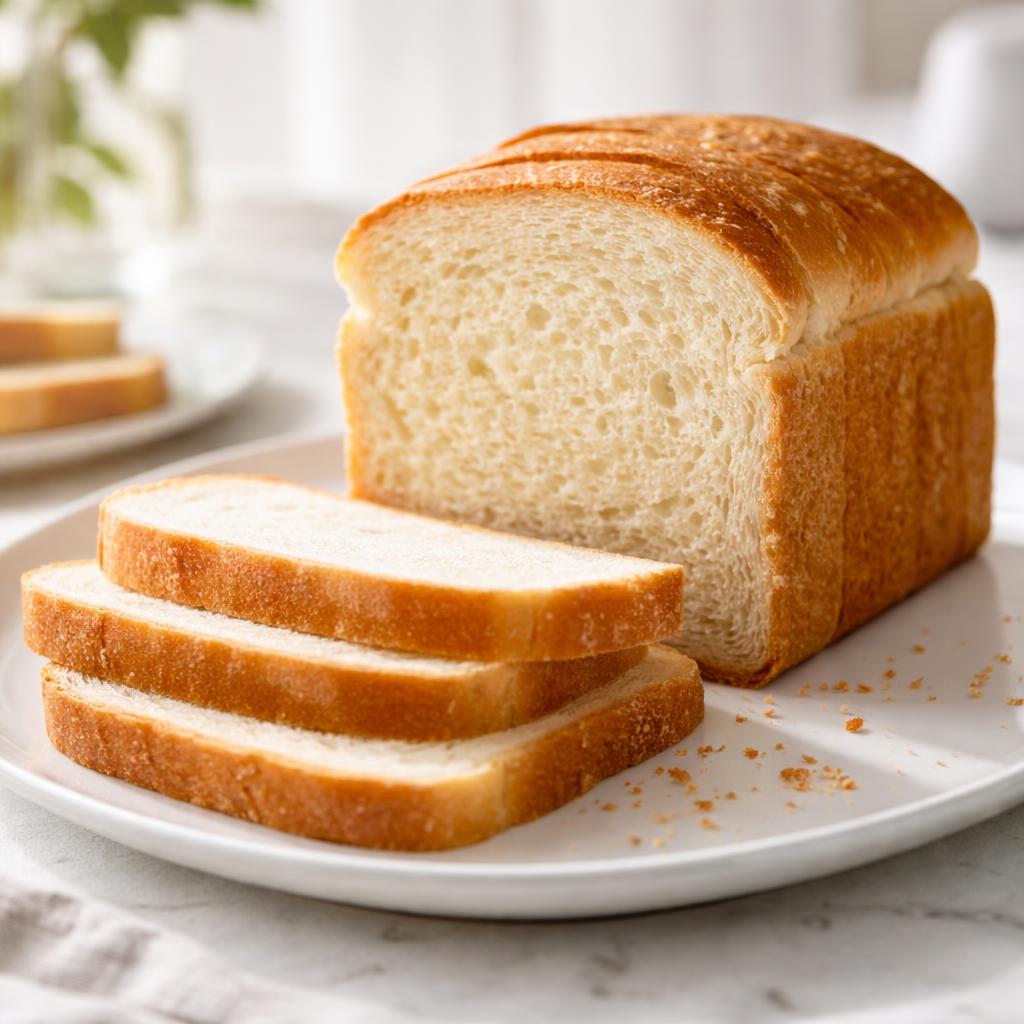
White Bread
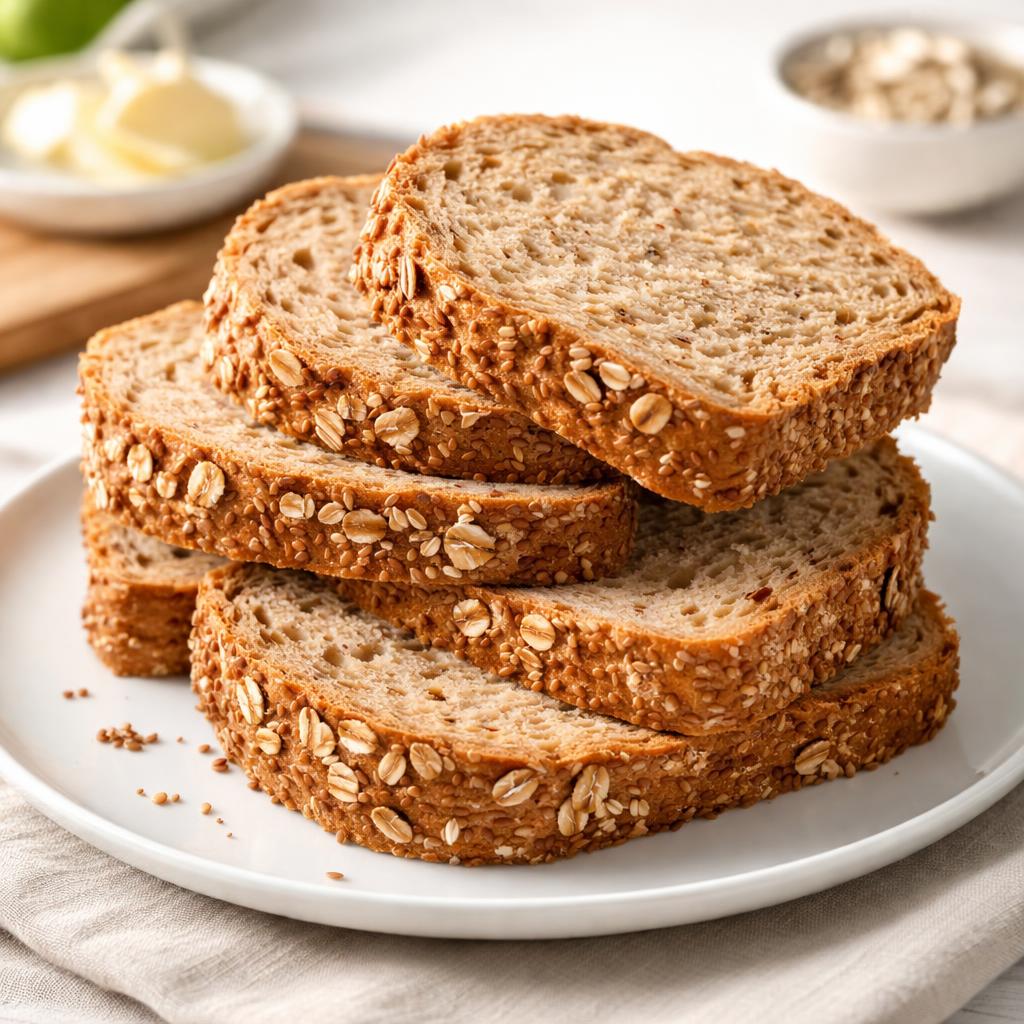
Whole Meal Bread
🎯 Quick Verdict
Whole meal bread is nutritionally superior to white bread in most aspects. It provides more protein, fiber, and micronutrients and is lower in calories. White bread, while softer and sweeter, is less nutrient-dense and may be better suited for those seeking quick energy or lighter meals.

Smart Nutrition Tracking with SnapCalorie

📊 Nutritional Comparison
Macronutrients
| Nutrient | Food 1 | Food 2 | Winner |
|---|---|---|---|
| Calories | 266 per 100g | 240 per 100g | ✓ |
| Protein | 8g per 100g | 10g per 100g | ✓ |
| Carbs | 49g per 100g | 42g per 100g | ✓ |
| Fat | 3.5g per 100g | 3g per 100g | ✓ |
| Fiber | 2g per 100g | 6g per 100g | ✓ |
Vitamins & Minerals
| Nutrient | Food 1 | Food 2 | Winner |
|---|---|---|---|
| Vitamin B6 | 0.03mg per 100g | 0.1mg per 100g | ✓ |
| Magnesium | 10mg per 100g | 30mg per 100g | ✓ |
| Iron | 1mg per 100g | 3mg per 100g | ✓ |
🏆 Category Winners
Protein
Whole meal bread has 25% more protein than white bread.
Fiber
Whole meal bread delivers triple the fiber of white bread.
Calories
Whole meal bread has roughly 10% fewer calories than white bread.
Vitamins
Whole meal bread has higher levels of essential vitamins like B6 and minerals such as magnesium and iron.
🥗 Diet Compatibility
Keto
Food 1: Not Compatible
Food 2: Not Compatible
Both are high-carb and unsuitable for keto diets.
Vegan
Food 1: Compatible
Food 2: Compatible
Both bread types are typically plant-based.
Gluten Free
Food 1: Not Compatible
Food 2: Not Compatible
Both contain gluten from wheat.
Paleo
Food 1: Not Compatible
Food 2: Not Compatible
Bread is not permitted on paleo diets.
Low-Carb
Food 1: Not Compatible
Food 2: Not Compatible
Both are high in carbohydrates per serving.
💪 Health Benefits Comparison
Food 1 Benefits
- Quick energy source due to refined carbs
- Soft texture makes it appealing for sandwiches
- Minimal fat content
Food 2 Benefits
- Rich in dietary fiber, supporting better digestion
- Higher magnesium and iron levels promote bone and blood health
- Lower calorie density can aid in weight control
✅ The Bottom Line
Whole meal bread is the better overall choice for balanced nutrition, offering significantly more fiber, protein, and essential vitamins. White bread, while less nutrient-dense, is a quick and soft option if you need rapid energy or prefer lighter textures.
Choose Food 1 for: Quick energy, soft sandwiches, lighter meals
Choose Food 2 for: Healthier snacks, weight loss, nutrient-dense meals


