White Bread VS Whole Bread
A detailed nutritional comparison
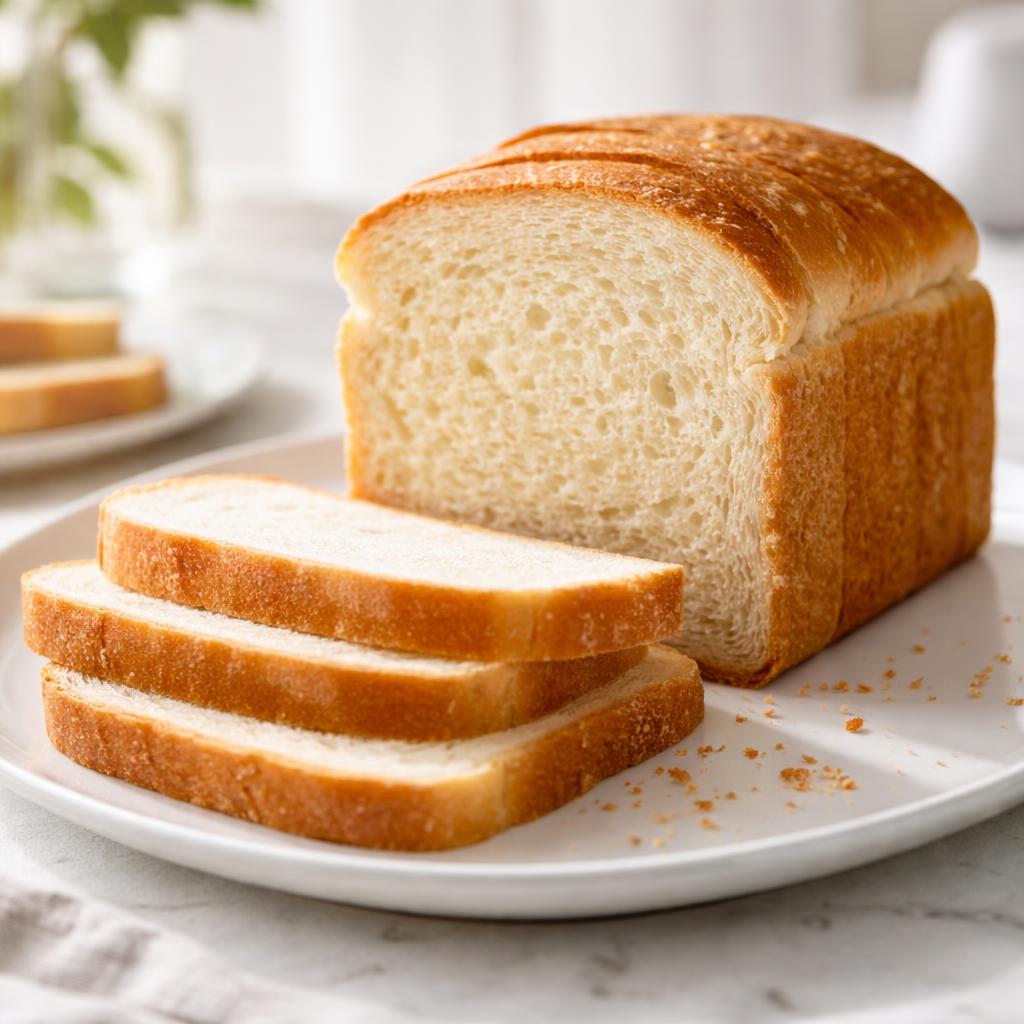
White Bread

Whole Bread
🎯 Quick Verdict
Whole bread is nutritionally superior to white bread, offering more protein, fiber, vitamins, and fewer calories. White bread is more refined and lacks nutritional depth, making whole bread the better option for health-conscious and nutrient-focused diets.

Smart Nutrition Tracking with SnapCalorie

📊 Nutritional Comparison
Macronutrients
| Nutrient | Food 1 | Food 2 | Winner |
|---|---|---|---|
| Calories | 79 per slice | 69 per slice | ✓ |
| Protein | 2.7g per slice | 4g per slice | ✓ |
| Carbs | 15g per slice | 13.6g per slice | ✓ |
| Fat | 0.7g per slice | 1g per slice | ✓ |
| Fiber | 0.6g per slice | 2g per slice | ✓ |
Vitamins & Minerals
| Nutrient | Food 1 | Food 2 | Winner |
|---|---|---|---|
| Vitamin B6 | 0.02mg | 0.1mg | ✓ |
| Magnesium | 5mg | 25mg | ✓ |
| Iron | 0.7mg | 1.2mg | ✓ |
🏆 Category Winners
Protein
Whole bread contains approximately 48% more protein per slice than white bread.
Fiber
Whole bread offers over three times the fiber content per slice compared to white bread.
Calories
Whole bread has 12.7% fewer calories per slice than white bread.
Vitamins
Whole bread is higher in essential vitamins like Vitamin B6, magnesium, and iron.
🥗 Diet Compatibility
Keto
Food 1: Not Compatible
Food 2: Not Compatible
Both are high in carbohydrates.
Vegan
Food 1: Compatible
Food 2: Compatible
Both are plant-based and vegan-friendly.
Gluten Free
Food 1: Not Compatible
Food 2: Not Compatible
Both contain gluten.
Paleo
Food 1: Not Compatible
Food 2: Not Compatible
Both are grains and not allowed in paleo diets.
Low-Carb
Food 1: Not Compatible
Food 2: Not Compatible
Both are relatively high in carbohydrates.
💪 Health Benefits Comparison
Food 1 Benefits
- Easily digestible due to refined flour
- Soft texture appeals to children and picky eaters
- Provides quick energy due to high-carb content
Food 2 Benefits
- High fiber supports digestive health and satiety
- Rich in vitamins and minerals for sustained energy and overall health
- Higher protein content aids in muscle repair and maintenance
- Lower calorie count makes it ideal for weight management
✅ The Bottom Line
Whole bread is the healthier and more nutrient-dense option compared to white bread. It provides more fiber, protein, and vitamins, while being lower in calories. White bread may still be suitable for those seeking softer texture or quick digestion but lacks substantial health benefits.
Choose Food 1 for: Quick energy, children, occasional indulgence
Choose Food 2 for: Weight management, muscle repair, nutrient-rich diets


