White Bread VS Pumpkin Bread
A detailed nutritional comparison
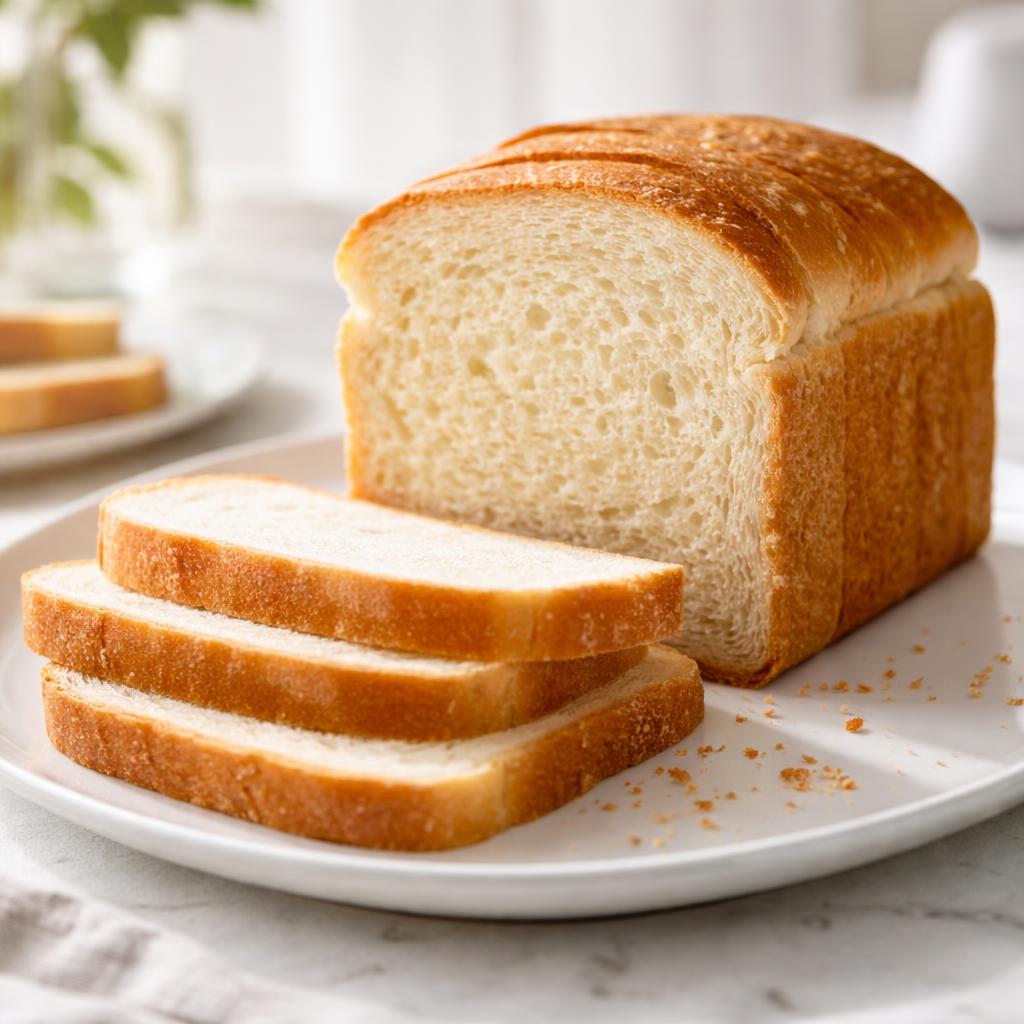
White Bread
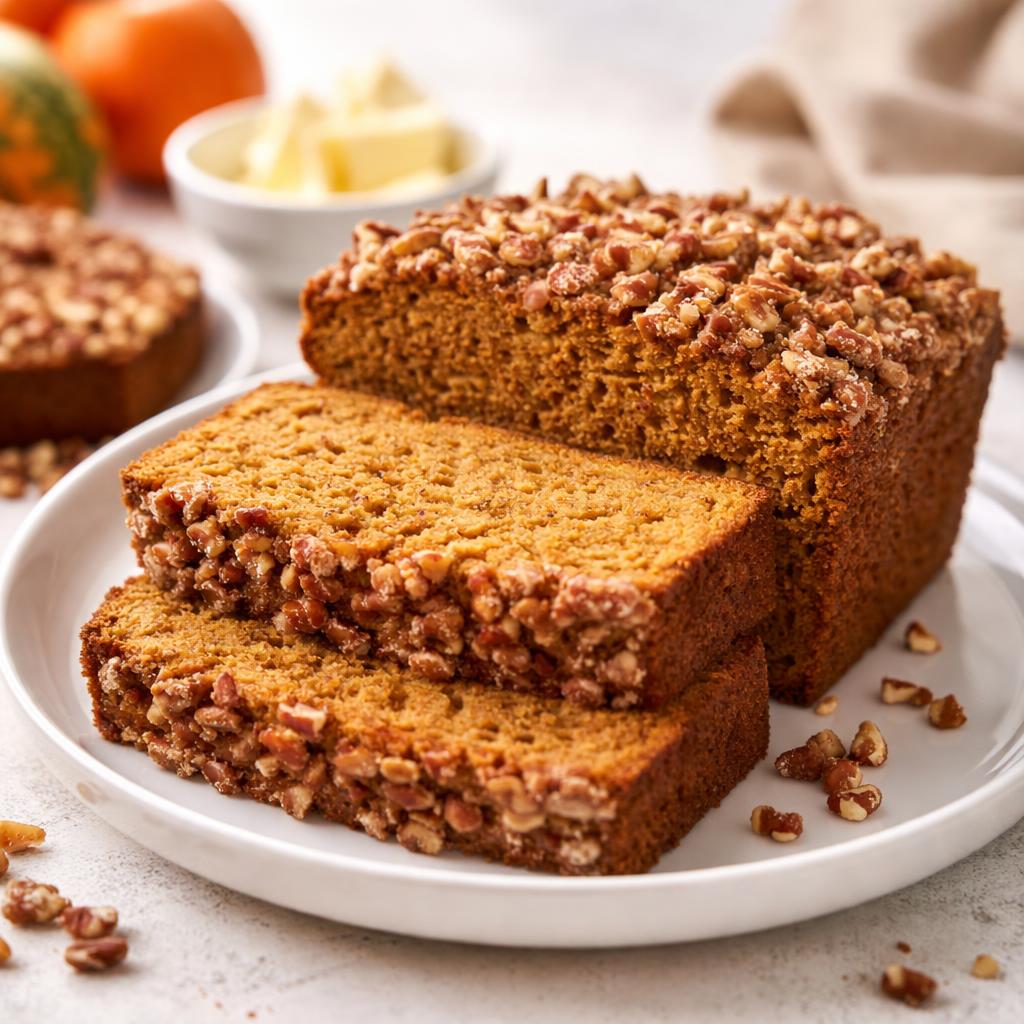
Pumpkin Bread
🎯 Quick Verdict
Pumpkin bread outperforms white bread nutritionally, offering more fiber, protein, and vitamins while having fewer calories per slice. White bread is lower in fat and often used for basic sandwiches, but pumpkin bread may be better for nutrient density and flavor in snacks or breakfasts.

Smart Nutrition Tracking with SnapCalorie

📊 Nutritional Comparison
Macronutrients
| Nutrient | Food 1 | Food 2 | Winner |
|---|---|---|---|
| Calories | 265 per slice | 190 per slice | ✓ |
| Protein | 7g | 8g | ✓ |
| Carbs | 49g | 30g | ✓ |
| Fat | 3.7g | 8g | ✓ |
| Fiber | 1.4g | 5g | ✓ |
Vitamins & Minerals
| Nutrient | Food 1 | Food 2 | Winner |
|---|---|---|---|
| Vitamin A | 0mcg | 2050mcg | ✓ |
| Calcium | 19mg | 40mg | ✓ |
| Iron | 2.1mg | 1.8mg | ✓ |
🏆 Category Winners
Protein
Pumpkin bread has slightly higher protein than white bread.
Fiber
Pumpkin bread contains over 3.5x more fiber, supporting digestion.
Calories
Pumpkin bread provides fewer calories per serving, aiding weight control.
Vitamins
Pumpkin bread is rich in Vitamin A and calcium, making it more nutrient-dense.
🥗 Diet Compatibility
Keto
Food 1: Not Compatible
Food 2: Not Compatible
Both are high-carb and unsuitable for strict keto diets.
Vegan
Food 1: May Not Be Compatible
Food 2: May Not Be Compatible
Depends on ingredients (e.g., dairy or eggs in pumpkin bread).
Gluten Free
Food 1: Not Compatible
Food 2: Not Compatible
Both contain wheat flour or other gluten sources.
Paleo
Food 1: Not Compatible
Food 2: Not Compatible
Neither conforms to paleo principles due to grains and sugars.
Low-Carb
Food 1: Not Compatible
Food 2: Partially Compatible
Pumpkin bread is lower-carb than white bread but still high for strict low-carb diets.
💪 Health Benefits Comparison
Food 1 Benefits
- Provides quick energy due to high carbohydrate content
- Low in fat and suitable for lighter meals
- Easy to digest, making it good for people with sensitive digestion
Food 2 Benefits
- Rich in fiber for improved digestion
- High in Vitamin A, supporting eye and skin health
- Contains healthy fats from ingredients like nuts or oils
- Lower calorie content suitable for weight management
✅ The Bottom Line
Pumpkin bread is the better option nutritionally, offering higher fiber, protein, and essential vitamins. White bread may be preferred for simple uses like sandwiches or when a lower-fat option is needed.
Choose Food 1 for: Light meals, quick carbs, sensitive stomachs
Choose Food 2 for: Nutrient-rich breakfasts, weight control, digestion support


