Wheat Toast VS Wholewheat Bread
A detailed nutritional comparison
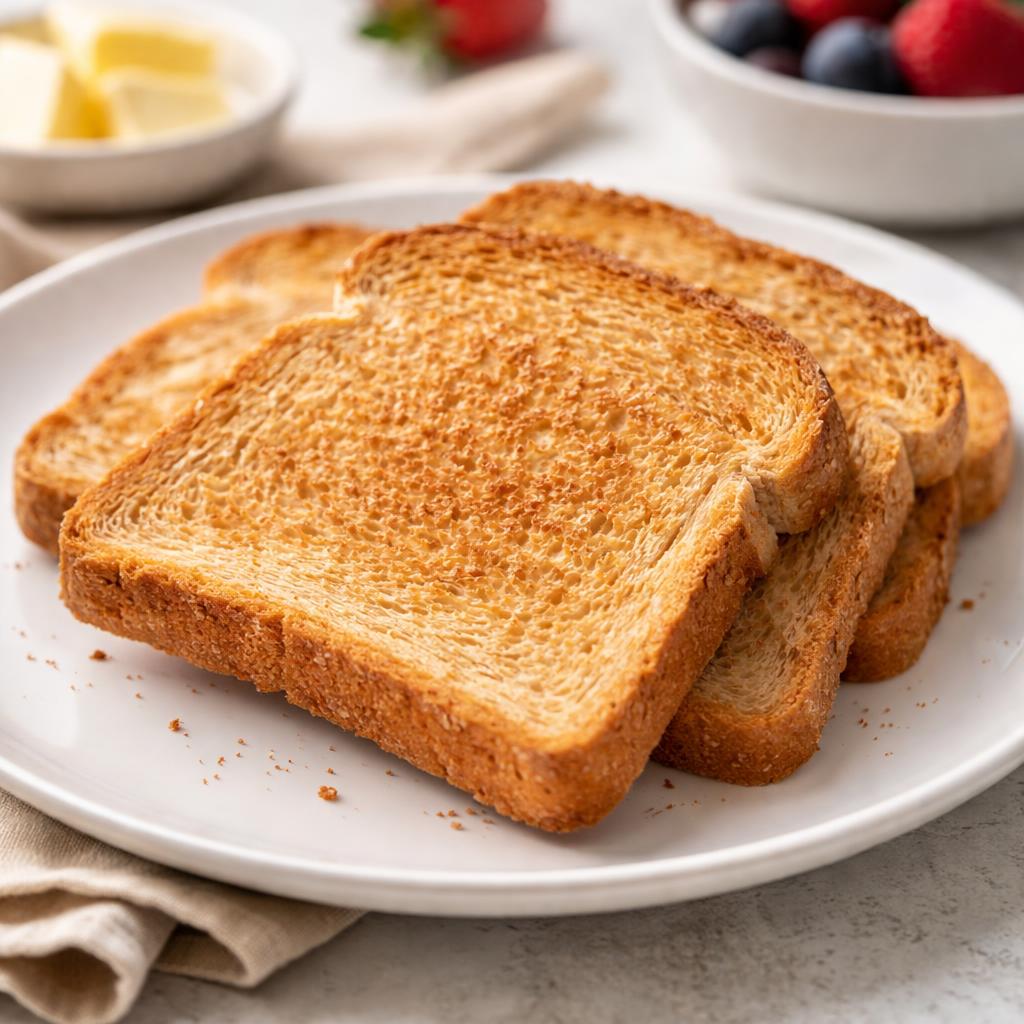
Wheat Toast
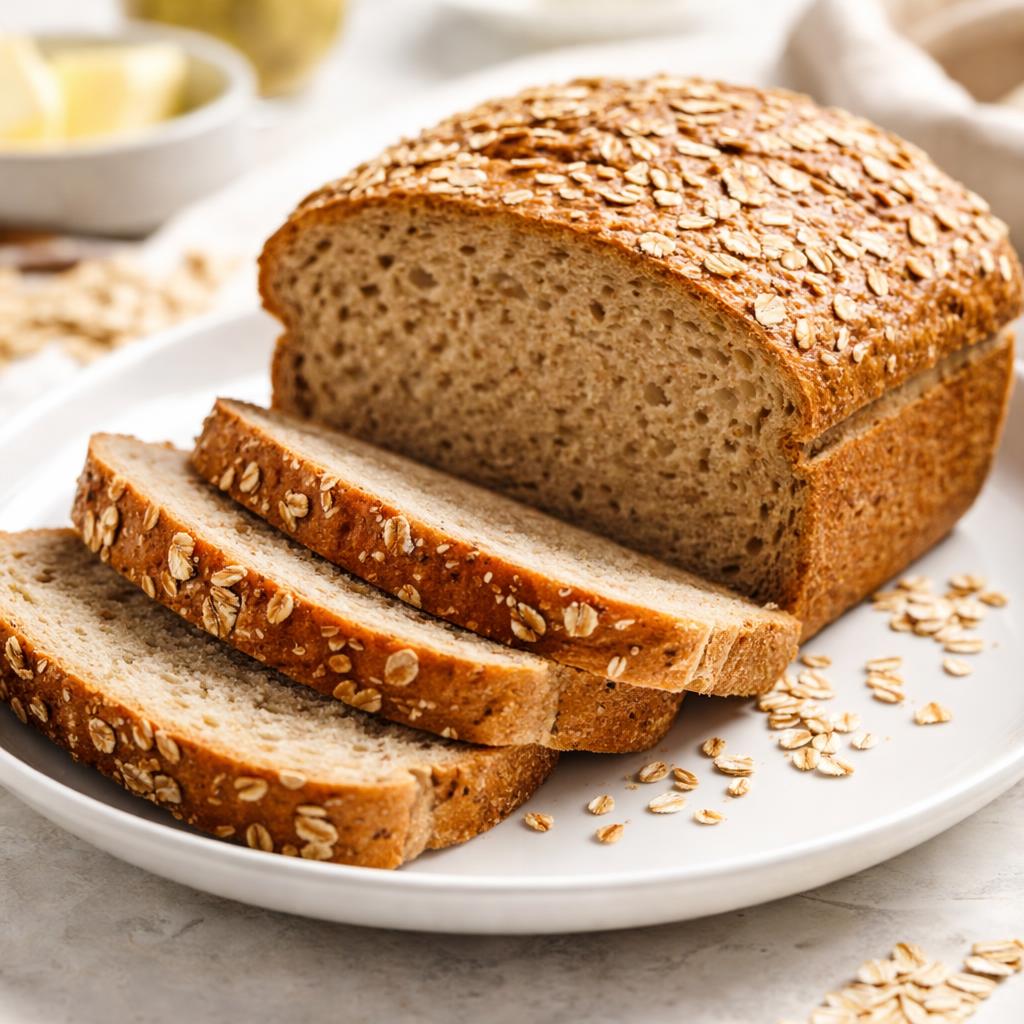
Wholewheat Bread
🎯 Quick Verdict
Wholewheat bread outperforms wheat toast overall in terms of protein, fiber, and micronutrient content, making it more nutrient-dense. Wheat toast may be suitable for a low-calorie snack, but wholewheat bread is a better choice for sustained energy and balanced nutrition. Both are versatile, but wholewheat bread is ideal for health-focused diets, while wheat toast works well in lighter meal plans.

Smart Nutrition Tracking with SnapCalorie

📊 Nutritional Comparison
Macronutrients
| Nutrient | Food 1 | Food 2 | Winner |
|---|---|---|---|
| Calories | 80 | 80 | − |
| Protein | 3g | 4g | ✓ |
| Carbs | 15g | 14g | ✓ |
| Fat | 1g | 1g | − |
| Fiber | 1g | 2g | ✓ |
Vitamins & Minerals
| Nutrient | Food 1 | Food 2 | Winner |
|---|---|---|---|
| Vitamin B6 | 0mg | 0.1mg | ✓ |
| Iron | 0.6mg | 1mg | ✓ |
| Magnesium | 10mg | 23mg | ✓ |
🏆 Category Winners
Protein
Wholewheat bread has 33% more protein than wheat toast.
Fiber
Wholewheat bread contains double the fiber per serving.
Calories
Both options provide 80 calories per serving.
Vitamins
Wholewheat bread has higher levels of iron, magnesium, and vitamin B6.
🥗 Diet Compatibility
Keto
Food 1: Not Compatible
Food 2: Not Compatible
Both are high in carbohydrates.
Vegan
Food 1: Compatible
Food 2: Compatible
Neither contains animal products.
Gluten Free
Food 1: Not Compatible
Food 2: Not Compatible
Both contain gluten as they are wheat-based.
Paleo
Food 1: Not Compatible
Food 2: Not Compatible
Neither fits paleo guidelines due to grain content.
Low Carb
Food 1: Not Compatible
Food 2: Not Compatible
Both are moderate to high in carbohydrates per serving (15g for toast and 14g for bread).
💪 Health Benefits Comparison
Food 1 Benefits
- Low-calorie option for weight management
- Moderate source of energy for quick meals
- Easy to digest due to lower fiber content
Food 2 Benefits
- Higher in protein for muscle repair and maintenance
- Rich in fiber for improved digestion and satiety
- Enhanced nutrient profile with more iron and magnesium for better energy and bone health
✅ The Bottom Line
Choose wholewheat bread for a more nutrient-dense, fiber-rich, and protein-packed choice, suitable for healthy diets focused on sustained energy. Opt for wheat toast when calorie control or a lighter meal is your priority.
Choose Food 1 for: Weight loss, light breakfasts, easy digestion
Choose Food 2 for: Balanced nutrition, longer-lasting energy, active lifestyles


