Wheat Toast VS Seed Bread
A detailed nutritional comparison
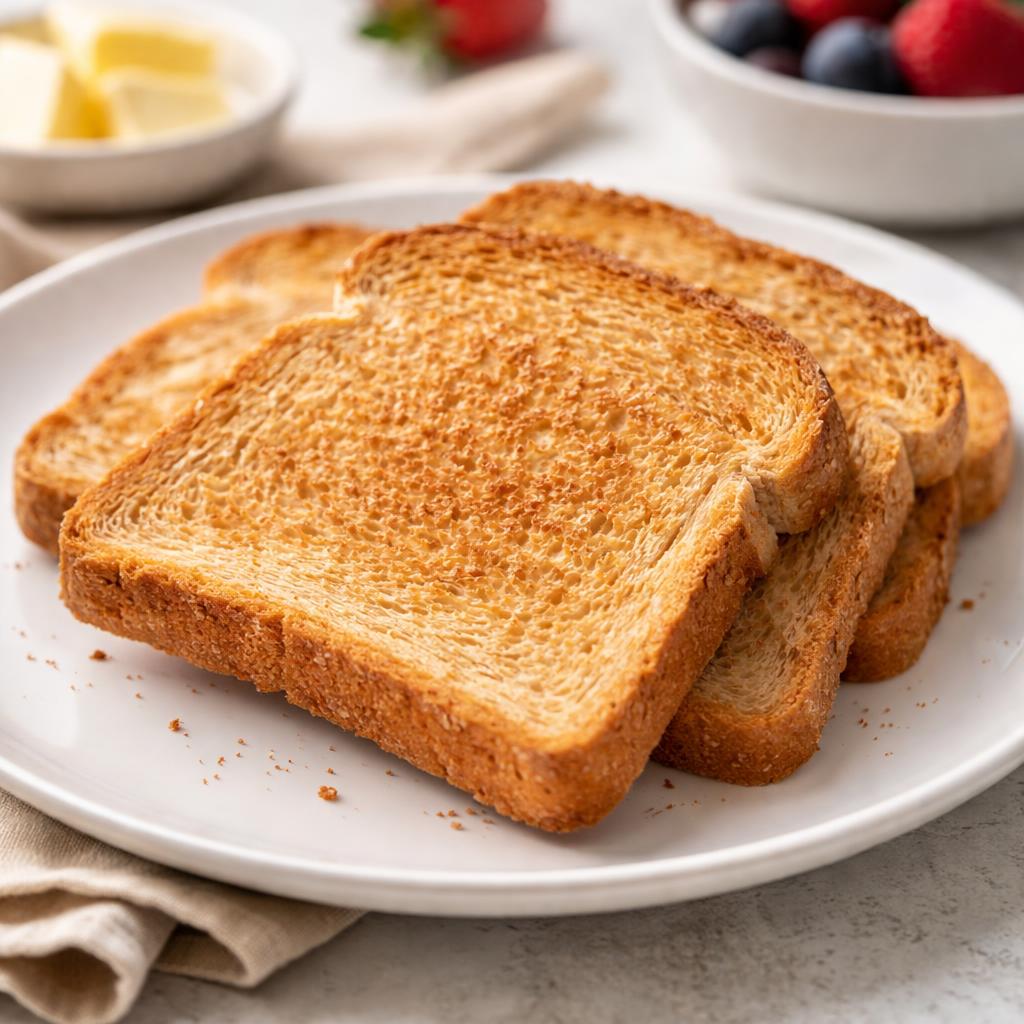
Wheat Toast
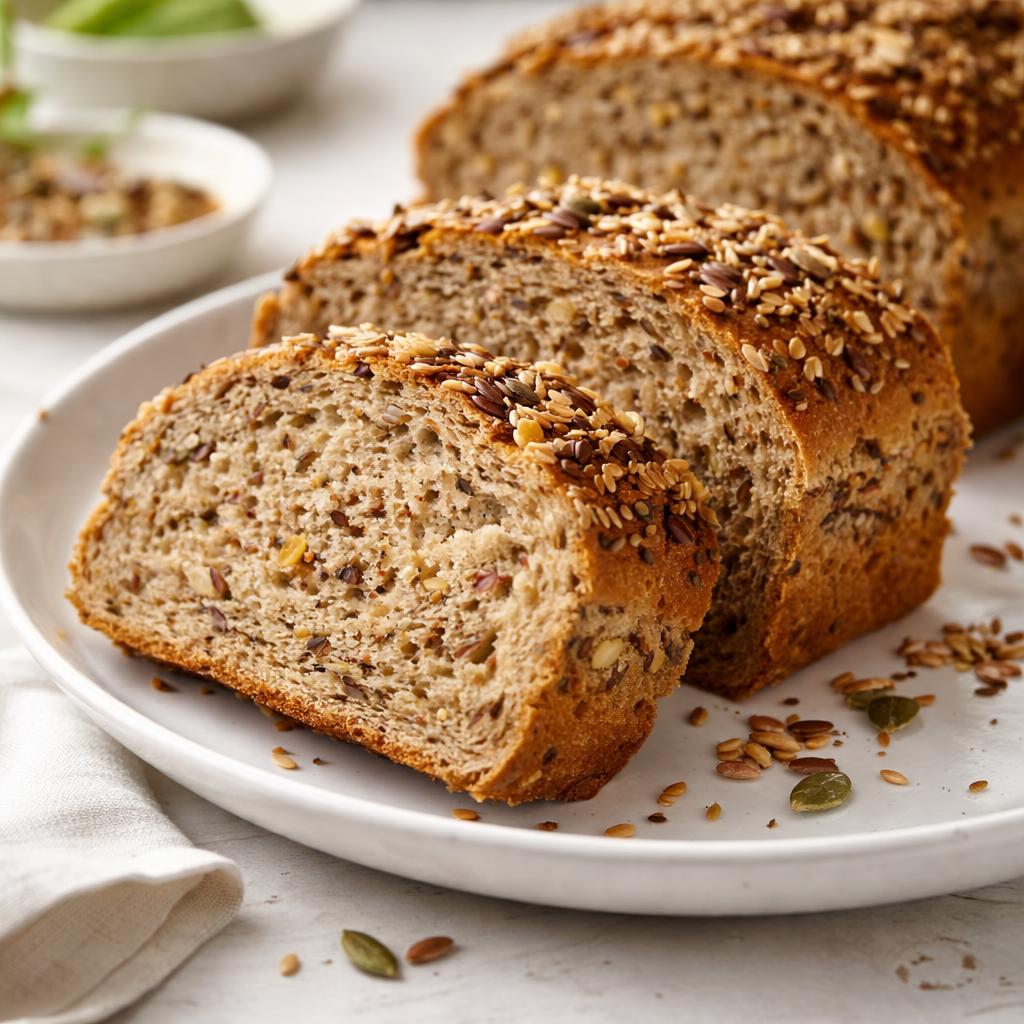
Seed Bread
🎯 Quick Verdict
Seed bread is more nutrient-dense than wheat toast as it offers more protein, fiber, and healthy fats. Wheat toast is lower in calories, making it better for calorie-conscious diets. Nutritional goals or dietary preferences should help determine the ideal choice between the two.

Smart Nutrition Tracking with SnapCalorie

📊 Nutritional Comparison
Macronutrients
| Nutrient | Food 1 | Food 2 | Winner |
|---|---|---|---|
| Calories | 75 per slice | 90 per slice | ✓ |
| Protein | 3g per slice | 6g per slice | ✓ |
| Carbs | 13g per slice | 10g per slice | ✓ |
| Fat | 1g per slice | 5g per slice | ✓ |
| Fiber | 1.5g per slice | 4g per slice | ✓ |
Vitamins & Minerals
| Nutrient | Food 1 | Food 2 | Winner |
|---|---|---|---|
| Vitamin D | 0mcg | 0mcg | − |
| Calcium | 20mg | 40mg | ✓ |
| Iron | 0.5mg | 1mg | ✓ |
| Magnesium | 8mg | 25mg | ✓ |
🏆 Category Winners
Protein
Seed bread contains twice the protein of wheat toast.
Fiber
Seed bread has nearly three times the fiber content.
Calories
Wheat toast has 16% fewer calories per slice than seed bread.
Vitamins
Seed bread offers higher amounts of calcium, iron, and magnesium.
🥗 Diet Compatibility
Keto
Food 1: Not Compatible
Food 2: Not Compatible
Both are carbohydrate-focused foods.
Vegan
Food 1: Compatible
Food 2: Compatible
Both bread types are typically plant-based.
Gluten Free
Food 1: Not Compatible
Food 2: Not Compatible
Both contain gluten unless specifically labeled gluten-free.
Paleo
Food 1: Not Compatible
Food 2: Not Compatible
Grain-based foods are not allowed on the paleo diet.
Low-Carb
Food 1: Moderately Compatible
Food 2: More Compatible
Seed bread has fewer carbs per slice than wheat toast.
💪 Health Benefits Comparison
Food 1 Benefits
- Lower in calories for weight management
- Provides quick energy from carbs
- Contains small amounts of essential minerals like iron
Food 2 Benefits
- Rich in fiber for gut health
- Higher protein for muscle support
- Provides healthy fats for heart health
- Contains magnesium for muscle and nerve function
✅ The Bottom Line
Seed bread is a more nutritious choice, offering more protein, fiber, vitamins, and minerals, making it ideal for nutrient density and balanced energy. Wheat toast is a good option for those focused on calorie control or quick carbohydrate intake.
Choose Food 1 for: Weight management, quick energy, basic breakfast options
Choose Food 2 for: Balanced diets, nutrient-dense meals, heart health


