Wheat Toast VS Chinese Noodles
A detailed nutritional comparison
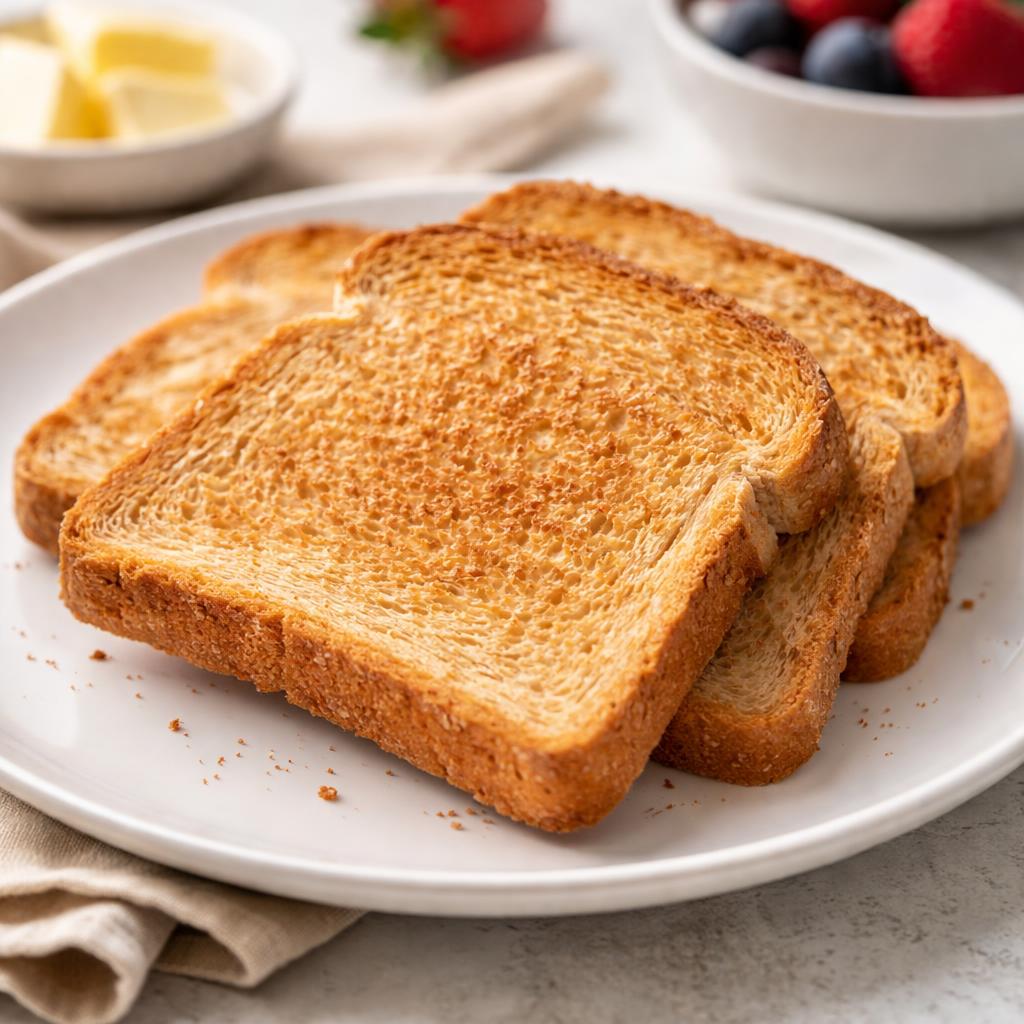
Wheat Toast
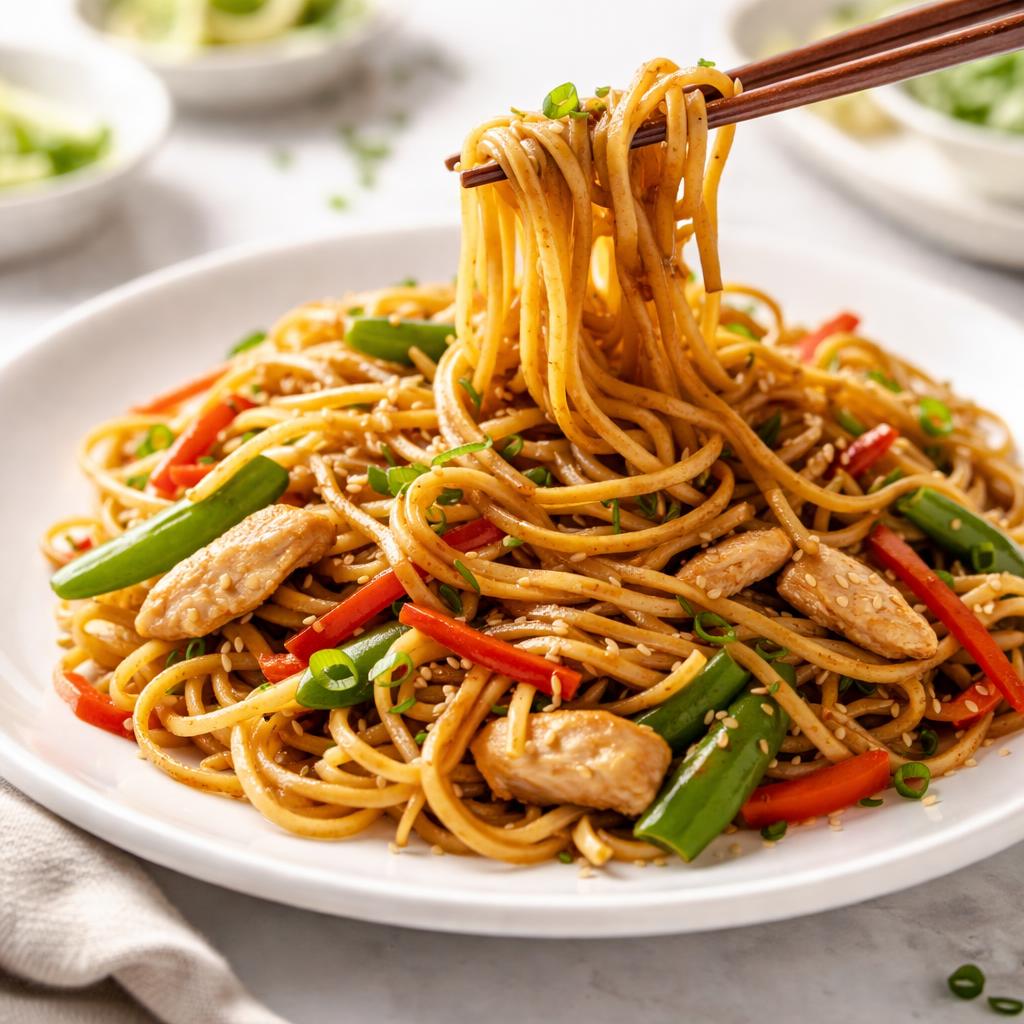
Chinese Noodles
🎯 Quick Verdict
Wheat toast is overall a more nutritious option, offering higher protein, fiber, and fewer calories compared to Chinese noodles. Chinese noodles, while energy-dense, are not as rich in micronutrients and tend to have higher fat and carbohydrate content, making them better suited for those needing sustained energy. Wheat toast is ideal for those seeking a lighter, nutrient-dense meal option with macronutrient balance.

Smart Nutrition Tracking with SnapCalorie

📊 Nutritional Comparison
Macronutrients
| Nutrient | Food 1 | Food 2 | Winner |
|---|---|---|---|
| Calories | 75 | 150 | ✓ |
| Protein | 3.5g | 2.5g | ✓ |
| Carbs | 13g | 27g | ✓ |
| Fat | 1g | 5g | ✓ |
| Fiber | 2g | 0.5g | ✓ |
Vitamins & Minerals
| Nutrient | Food 1 | Food 2 | Winner |
|---|---|---|---|
| Vitamin D | 0mcg | 0mcg | − |
| Calcium | 15mg | 10mg | ✓ |
| Iron | 0.7mg | 0.4mg | ✓ |
🏆 Category Winners
Protein
Food1 has 40% more protein per serving.
Fiber
Food1 has 300% more fiber per serving than Food2.
Calories
Food1 has half the calories of Food2 per serving.
Vitamins
Food1 contains slightly higher amounts of calcium and iron compared to Food2.
🥗 Diet Compatibility
Keto
Food 1: Not Compatible
Food 2: Not Compatible
Both have high carbohydrate contents.
Vegan
Food 1: Compatible
Food 2: Compatible
Both are plant-based.
Gluten Free
Food 1: Not Compatible
Food 2: Not Compatible
Both contain gluten.
Paleo
Food 1: Not Compatible
Food 2: Not Compatible
Neither fit Paleo guidelines.
Low-Carb
Food 1: Not Compatible
Food 2: Not Compatible
Both are too high in carbohydrates for low-carb diets.
💪 Health Benefits Comparison
Food 1 Benefits
- High in fiber for improved digestion
- Contains moderate protein for muscle maintenance
- Low in fat and calories, aiding weight management
Food 2 Benefits
- Energy-dense, good for high-intensity activity
- Contains some healthy fats for energy storage
- Provides carbohydrates for sustained energy
✅ The Bottom Line
Wheat toast is the better option for those seeking balanced macronutrients, fiber, and lower calories, useful for weight management and digestion. Chinese noodles are more suited for energy-dense meals for physically active individuals or comfort food occasions.
Choose Food 1 for: Weight loss, balanced breakfasts, digestion support
Choose Food 2 for: High-energy meals, carb loading, comfort food


