Wheat Toast VS Bread With Peanut Butter
A detailed nutritional comparison
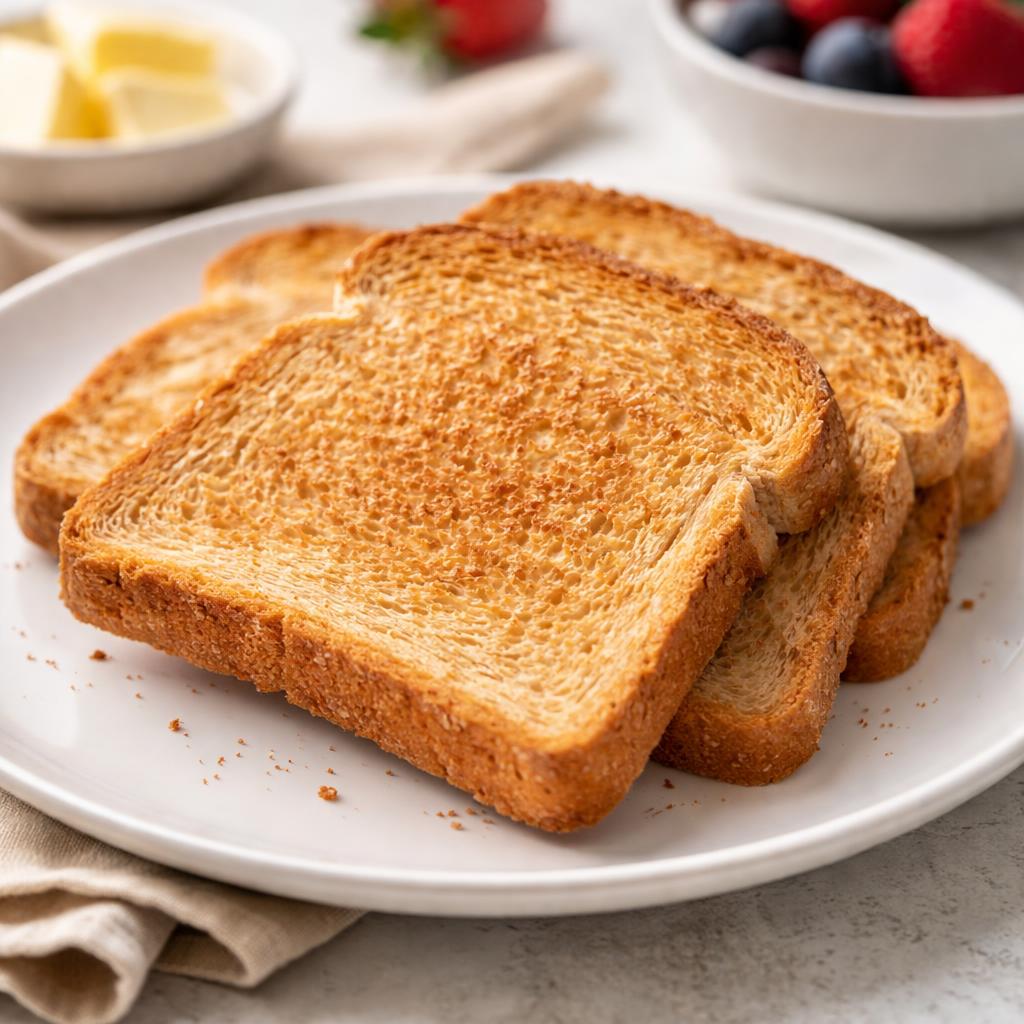
Wheat Toast
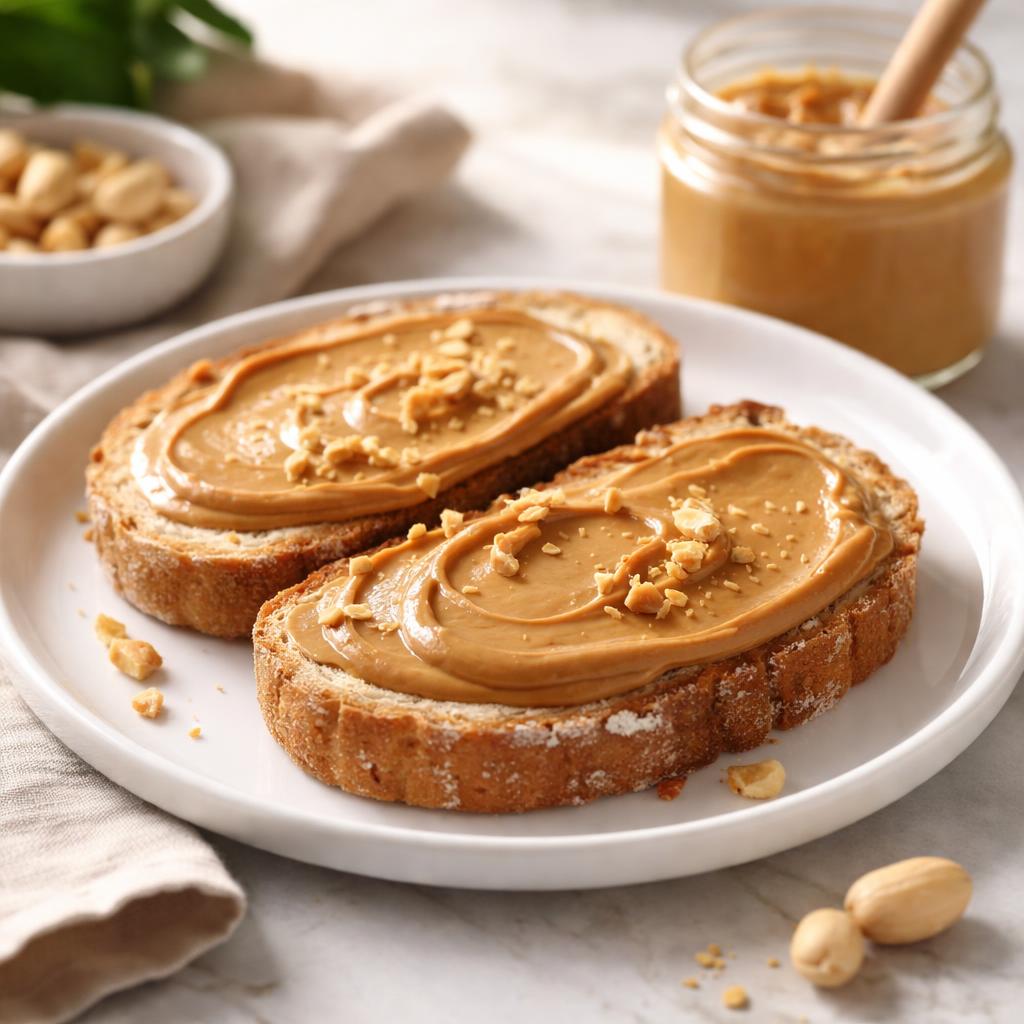
Bread With Peanut Butter
🎯 Quick Verdict
Bread with peanut butter is higher in protein, fiber, and healthy fats, making it a more nutrient-dense option than wheat toast alone. Wheat toast, on the other hand, is lower in calories and carbohydrates, which may be better for calorie-conscious diets. Both options provide energy, but food2 adds sustaining elements like healthy fats and protein, ideal for longer-lasting satiety.

Smart Nutrition Tracking with SnapCalorie

📊 Nutritional Comparison
Macronutrients
| Nutrient | Food 1 | Food 2 | Winner |
|---|---|---|---|
| Calories | 80 per slice | 250 per serving (1 slice + 2 tbsp peanut butter) | ✓ |
| Protein | 3g | 8g | ✓ |
| Carbs | 15g | 22g | ✓ |
| Fat | 1g | 16g | ✓ |
| Fiber | 1g | 3g | ✓ |
Vitamins & Minerals
| Nutrient | Food 1 | Food 2 | Winner |
|---|---|---|---|
| Vitamin D | 0mcg | 0mcg | − |
| Calcium | 25mg | 50mg | ✓ |
| Iron | 0.5mg | 1mg | ✓ |
🏆 Category Winners
Protein
Bread with peanut butter has over twice the protein compared to wheat toast.
Fiber
Food2 provides three times more fiber, benefiting digestion.
Calories
Wheat toast is significantly lower in overall calories, making it a lighter choice.
🥗 Diet Compatibility
Keto
Food 1: Not Compatible
Food 2: Not Compatible
Both are high in carbs, unsuitable for ketogenic diets.
Vegan
Food 1: Compatible
Food 2: Compatible if peanut butter is non-dairy
Ensure peanut butter is plant-based for vegan compatibility.
Gluten Free
Food 1: Not Compatible
Food 2: Not Compatible
Neither food is gluten-free as they both use wheat-based bread.
Paleo
Food 1: Not Compatible
Food 2: Not Compatible
Both foods contain processed grains, which are not paleo-friendly.
Low Carb
Food 1: Not Compatible
Food 2: Not Compatible
Both foods exceed low-carb diet thresholds for carbohydrates.
💪 Health Benefits Comparison
Food 1 Benefits
- Low calorie and portion-controlled option
- Provides quick energy from carbohydrates
- Easier to pair with toppings for flavor and nutrients
Food 2 Benefits
- High in protein for muscle repair and growth
- Rich in healthy fats for sustained energy and heart health
- Contains fiber for better digestion
- Provides long-lasting satiety due to the macronutrient balance
✅ The Bottom Line
Choose wheat toast when you need a low-calorie, lighter carbohydrate option or when pairing it with nutrient-dense toppings. Bread with peanut butter is a better choice if you're looking for a more nutritious, protein-, fiber-, and fat-rich snack or meal for sustained energy and satiety.
Choose Food 1 for: Light meals, quick energy, calorie-conscious diets
Choose Food 2 for: Post-workout snacks, sustaining energy, fitter lifestyles


