Wheat Bread VS Wholegrain Bread
A detailed nutritional comparison
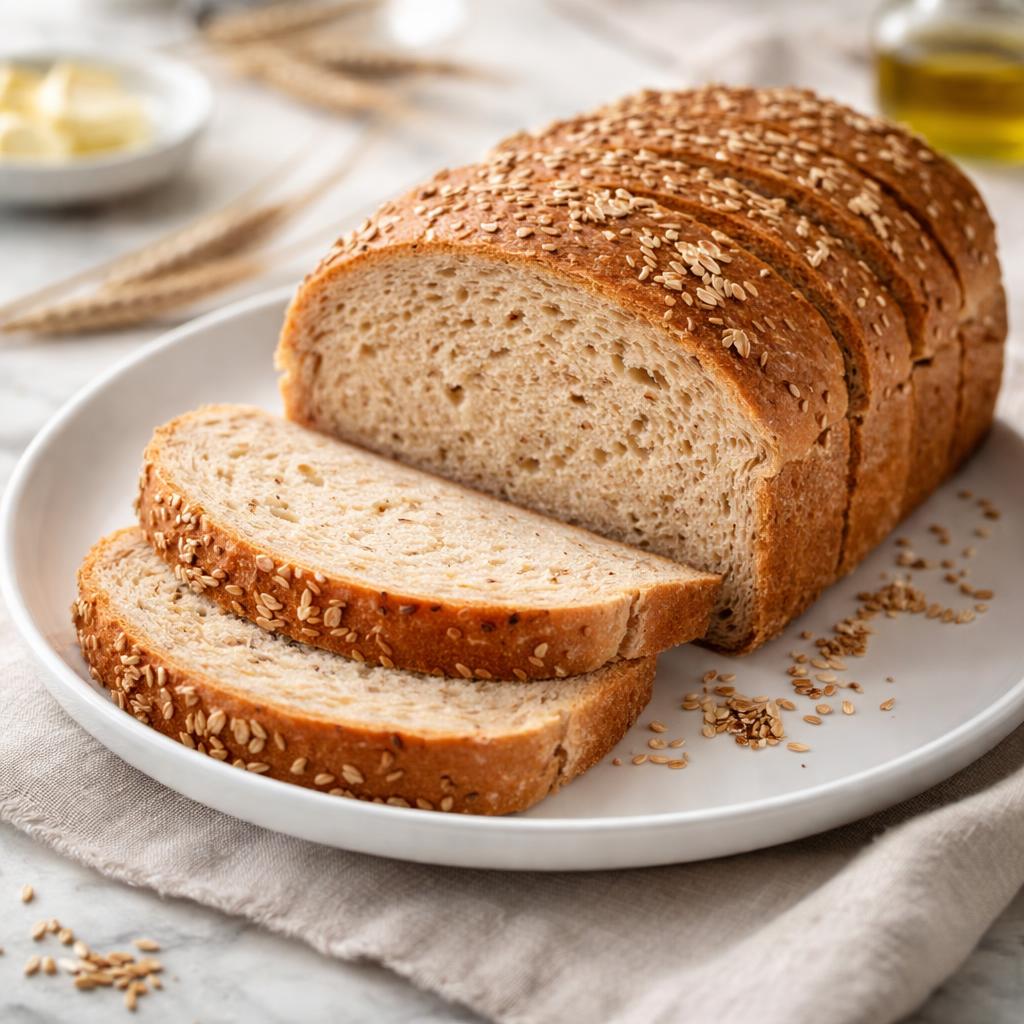
Wheat Bread
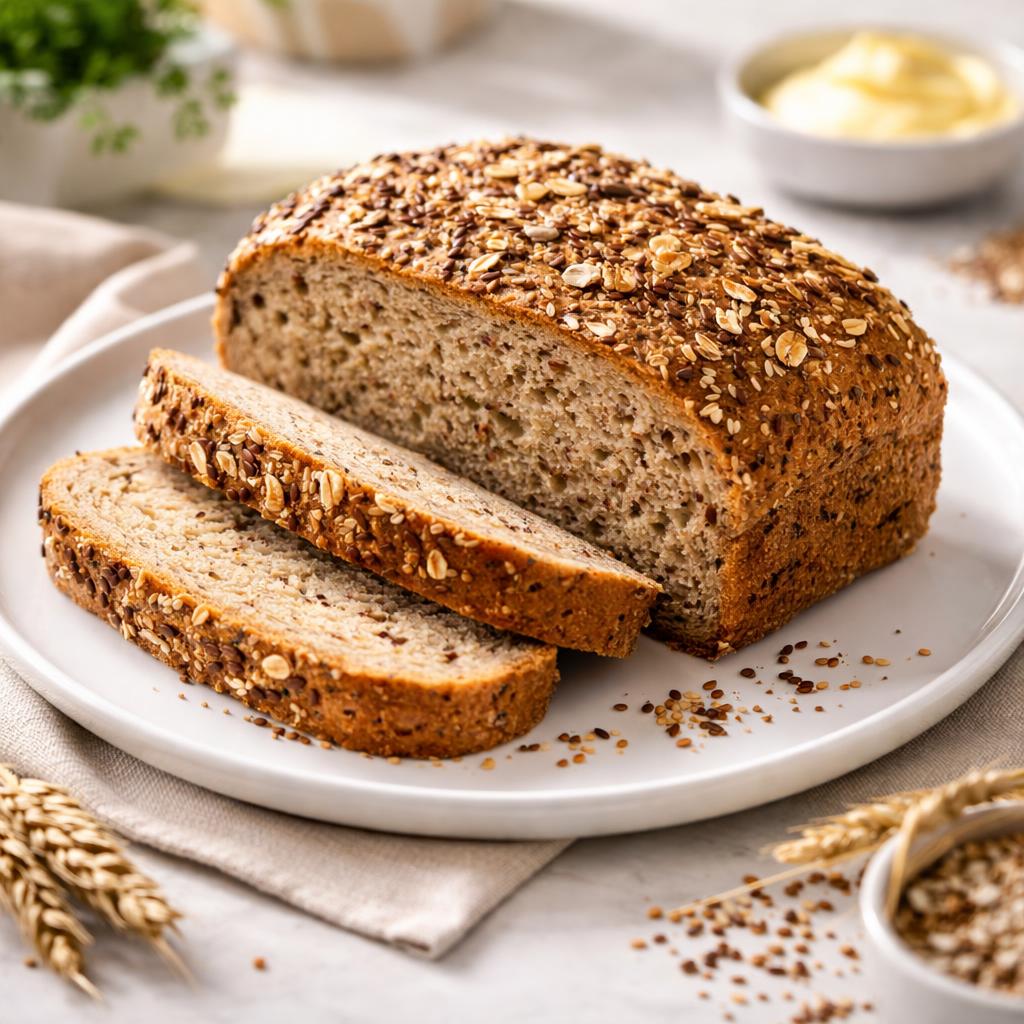
Wholegrain Bread
🎯 Quick Verdict
Wholegrain bread comes out ahead in terms of nutritional density, offering higher protein, fiber, and vitamin content per serving. Wheat bread, while slightly lower in calories, contains less fiber and fewer micronutrients. Wholegrain bread is a better choice for sustained energy and overall health, whereas wheat bread may be suitable for lower-calorie meal plans.

Smart Nutrition Tracking with SnapCalorie

📊 Nutritional Comparison
Macronutrients
| Nutrient | Food 1 | Food 2 | Winner |
|---|---|---|---|
| Calories | 80 per slice | 90 per slice | ✓ |
| Protein | 3g per slice | 4g per slice | ✓ |
| Carbs | 14g per slice | 15g per slice | ✓ |
| Fat | 0.8g per slice | 1.1g per slice | ✓ |
| Fiber | 1g per slice | 2g per slice | ✓ |
Vitamins & Minerals
| Nutrient | Food 1 | Food 2 | Winner |
|---|---|---|---|
| Vitamin B6 | 0.03mg per slice | 0.08mg per slice | ✓ |
| Folate | 10mcg per slice | 20mcg per slice | ✓ |
| Iron | 0.7mg per slice | 1mg per slice | ✓ |
🏆 Category Winners
Protein
Wholegrain bread contains 33% more protein per serving compared to wheat bread.
Fiber
Wholegrain bread has twice the fiber content, aiding digestion and promoting satiety.
Calories
Wheat bread is slightly lower in calories, making it a light option for calorie-conscious individuals.
Vitamins
Wholegrain bread is richer in B vitamins and iron, supporting energy production and immune health.
🥗 Diet Compatibility
Keto
Food 1: Not Compatible
Food 2: Not Compatible
Both are high in carbs and unsuitable for ketogenic diets.
Vegan
Food 1: Compatible
Food 2: Compatible
Both breads are plant-based and vegan-friendly.
Gluten Free
Food 1: Not Compatible
Food 2: Not Compatible
Both contain gluten, as they are wheat-based.
Paleo
Food 1: Not Compatible
Food 2: Not Compatible
Neither bread is suitable for paleo diets as they are processed grains.
Low Carb
Food 1: Not Compatible
Food 2: Not Compatible
Both have moderate carb content and are not considered low-carb foods.
💪 Health Benefits Comparison
Food 1 Benefits
- Lower calorie option, suitable for weight-conscious individuals
- Provides energy through moderate carbohydrate content
- Contains small amounts of iron for blood health
Food 2 Benefits
- Rich in dietary fiber for improved digestion and satiety
- Higher protein content for muscle repair and maintenance
- Contains more B vitamins, aiding energy production and brain health
✅ The Bottom Line
Wholegrain bread is nutritionally superior to wheat bread, offering more protein, fiber, and valuable micronutrients. Choose wholegrain bread for overall health, digestion, and sustained energy, especially if you value nutrient density. Wheat bread may appeal to those seeking slightly fewer calories or a lighter option in terms of macronutrients.
Choose Food 1 for: Lower-calorie diets, light sandwiches, energy without excess nutrients
Choose Food 2 for: Weight management, fiber-rich diets, nutrient density, active lifestyles


