Wheat Bread VS White Bread Toast
A detailed nutritional comparison
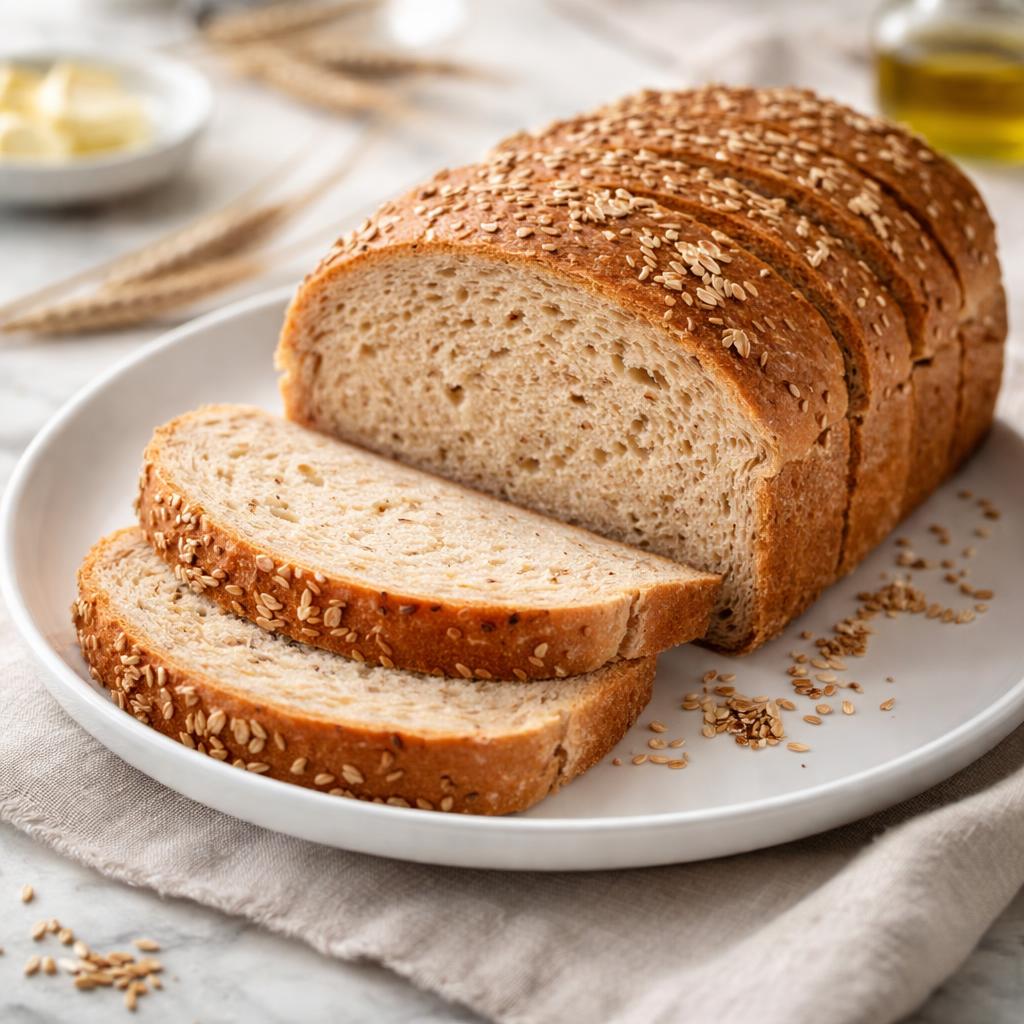
Wheat Bread
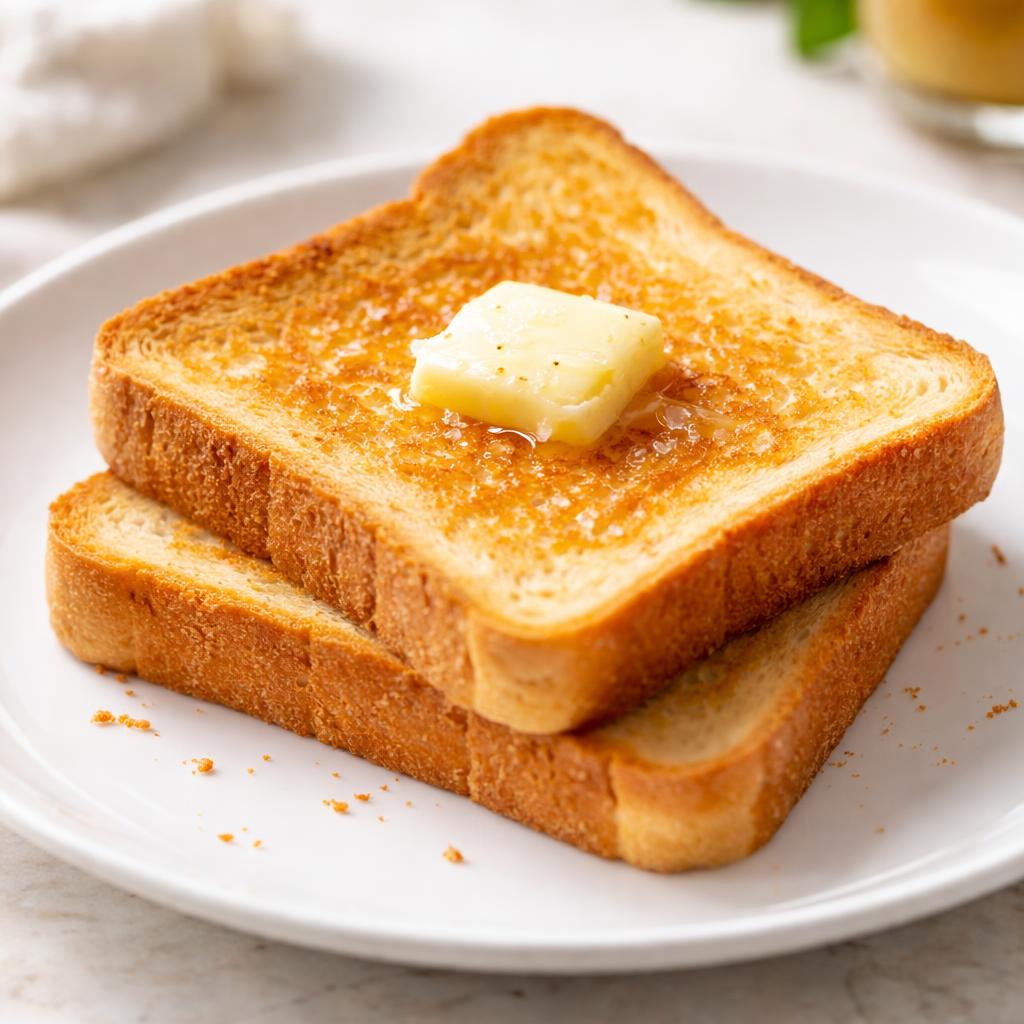
White Bread Toast
🎯 Quick Verdict
Wheat bread is nutritionally denser than white bread toast with more protein, fiber, and fewer calories per serving. White bread toast may provide a quicker energy boost due to higher carbs but lacks the nutrient depth of wheat bread, making wheat bread better for balanced diets and sustained health benefits.

Smart Nutrition Tracking with SnapCalorie

📊 Nutritional Comparison
Macronutrients
| Nutrient | Food 1 | Food 2 | Winner |
|---|---|---|---|
| Calories | 79 | 85 | ✓ |
| Protein | 4g | 2.6g | ✓ |
| Carbs | 14g | 15g | ✓ |
| Fat | 0.9g | 0.7g | ✓ |
| Fiber | 2g | 0.6g | ✓ |
Vitamins & Minerals
| Nutrient | Food 1 | Food 2 | Winner |
|---|---|---|---|
| Vitamin B6 | 0.03mg | 0.01mg | ✓ |
| Calcium | 30mg | 25mg | ✓ |
| Iron | 1.2mg | 0.9mg | ✓ |
🏆 Category Winners
Protein
Food1 has over 50% more protein per slice compared to food2.
Fiber
Food1 provides over 3 times more fiber per serving.
Calories
Food1 has slightly fewer calories per slice, making it the leaner option.
Vitamins
Food1 contains higher levels of B-vitamins, calcium, and iron.
🥗 Diet Compatibility
Keto
Food 1: Not Compatible
Food 2: Not Compatible
Both foods are high in carbs and unsuitable for ketogenic diets.
Vegan
Food 1: Compatible
Food 2: Compatible
Both bread types are typically vegan-friendly if no animal-derived additives are used.
Gluten Free
Food 1: Not Compatible
Food 2: Not Compatible
Both foods are wheat-based and contain gluten.
Paleo
Food 1: Not Compatible
Food 2: Not Compatible
Bread does not align with paleo dietary principles.
Low Carb
Food 1: Not Compatible
Food 2: Not Compatible
Both options have a relatively high carbohydrate content per serving (14-15g).
💪 Health Benefits Comparison
Food 1 Benefits
- Higher fiber content supports digestive health.
- Provides more protein to aid muscle repair and maintenance.
- Contains B-vitamins and minerals like iron for energy and improved blood health.
Food 2 Benefits
- Quick source of energy due to higher carbohydrate content.
- Contains calcium for bone strength.
- Can be lightly toasted for palatability and ease of digestion.
✅ The Bottom Line
Wheat bread is the more nutritious option overall, ideal for balanced diets and individuals prioritizing fiber and protein intake. White bread toast can be useful for quick energy boosts or lighter meals but lacks the nutrient density of wheat bread.
Choose Food 1 for: Balanced diets, higher protein needs, digestive health
Choose Food 2 for: Quick energy boosts, toast options, lighter meals


