Wheat Bread VS White Bread
A detailed nutritional comparison
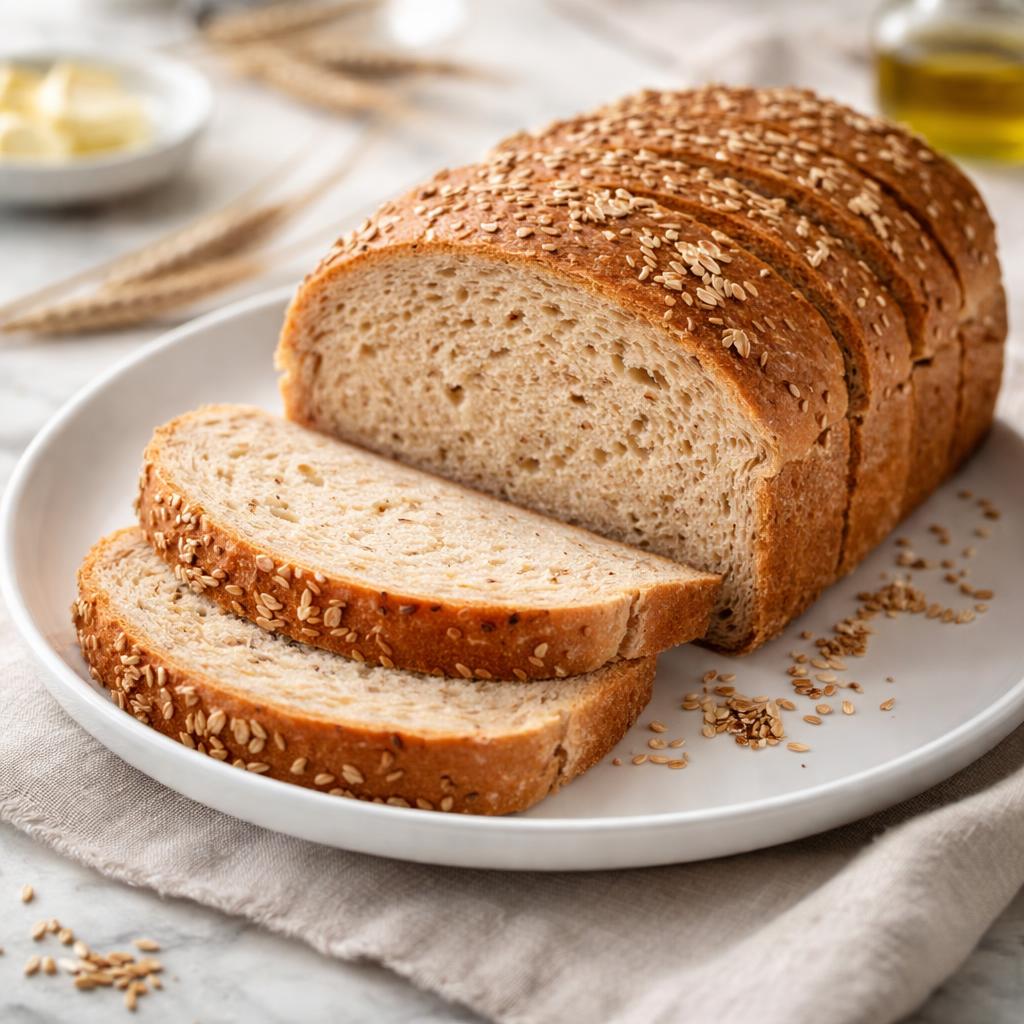
Wheat Bread
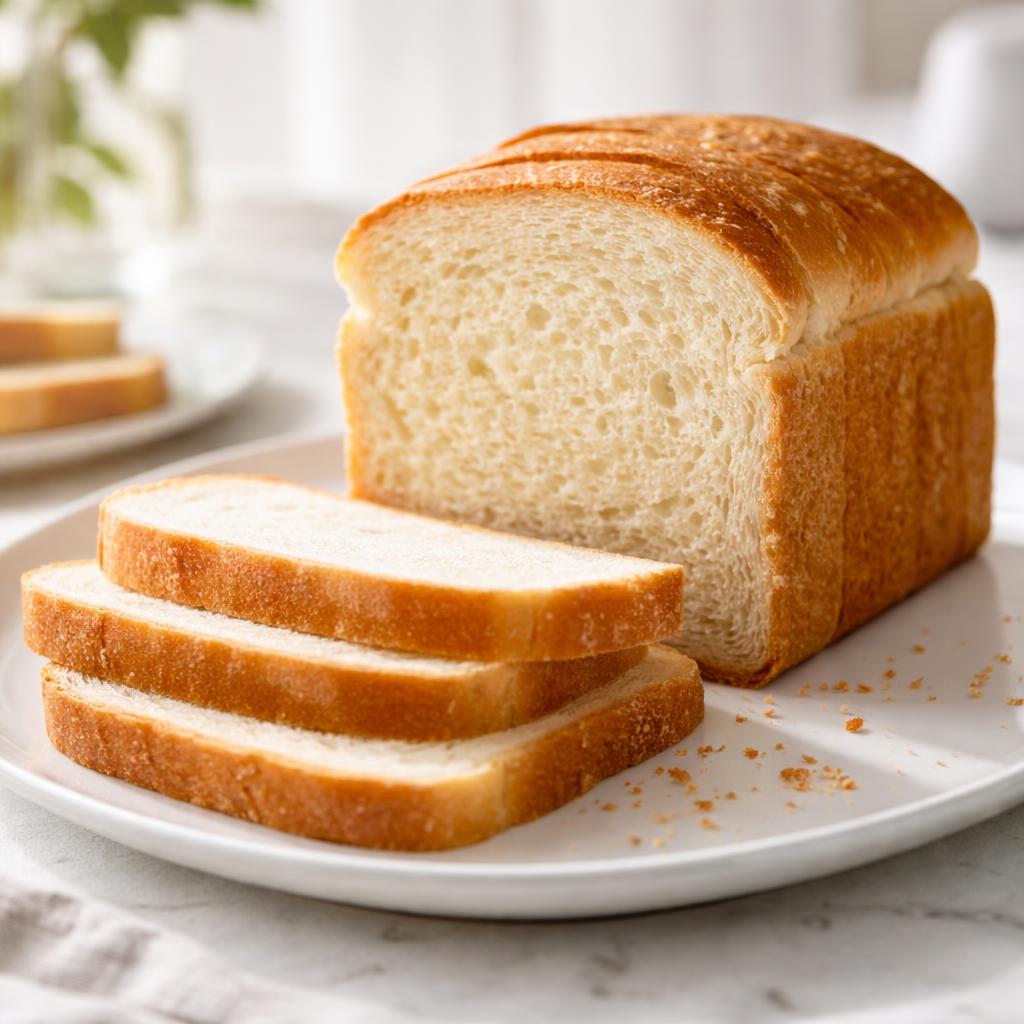
White Bread
🎯 Quick Verdict
Wheat bread is nutritionally superior due to its higher protein, fiber, and micronutrient content. White bread, while lower in calories, is less nutrient-dense and typically processed more, making it a less ideal choice for health-focused diets. Wheat bread is better for digestion and sustained energy, while white bread may appeal to those seeking fewer calories or a milder flavor profile.

Smart Nutrition Tracking with SnapCalorie

📊 Nutritional Comparison
Macronutrients
| Nutrient | Food 1 | Food 2 | Winner |
|---|---|---|---|
| Calories | 80 per slice | 70 per slice | ✓ |
| Protein | 4g per slice | 2g per slice | ✓ |
| Carbs | 15g per slice | 14g per slice | − |
| Fat | 0.5g per slice | 0.5g per slice | − |
| Fiber | 3g per slice | 0.5g per slice | ✓ |
Vitamins & Minerals
| Nutrient | Food 1 | Food 2 | Winner |
|---|---|---|---|
| Iron | 1.7mg per slice | 0.8mg per slice | ✓ |
| Calcium | 30mg per slice | 25mg per slice | ✓ |
| Vitamin B6 | 0.05mg per slice | 0.02mg per slice | ✓ |
🏆 Category Winners
Protein
Wheat bread has twice the protein content compared to white bread.
Fiber
Wheat bread contains six times more fiber than white bread per slice.
Calories
White bread is slightly lower in calories per slice.
Vitamins
Wheat bread has higher amounts of iron, calcium, and B vitamins.
🥗 Diet Compatibility
Keto
Food 1: Not Compatible
Food 2: Not Compatible
Both are high in carbs and not suitable for keto diets.
Vegan
Food 1: Compatible
Food 2: Compatible
Both are plant-based unless additives are present.
Gluten Free
Food 1: Not Compatible
Food 2: Not Compatible
Both contain gluten and are unsuitable for gluten-free diets.
Paleo
Food 1: Not Compatible
Food 2: Not Compatible
Both are processed grains, which are excluded in paleo diets.
Low Carb
Food 1: Not Compatible
Food 2: Not Compatible
Both are too high in carbohydrates for low-carb diets.
💪 Health Benefits Comparison
Food 1 Benefits
- Higher fiber content supports digestive health.
- Provides iron for oxygen transport in the blood.
- Contains more protein, aiding in muscle maintenance.
- Offers better micronutrient profile for overall nutrition.
Food 2 Benefits
- Lower in calories, potentially beneficial for weight management.
- Soft texture and mild flavor are more appealing to sensitive palates.
- Still provides some energy and basic nutrients.
✅ The Bottom Line
Choose wheat bread if you prioritize fiber, protein, and nutrient density for a balanced diet. Opt for white bread if you want a lower-calorie, softer option for occasional use or lighter recipes.
Choose Food 1 for: Digestive health, high-protein dietary plans, sustained energy
Choose Food 2 for: Quick snacks, sensitive stomachs, weight-focused diets


