Wheat Bread VS Sliced Bread
A detailed nutritional comparison
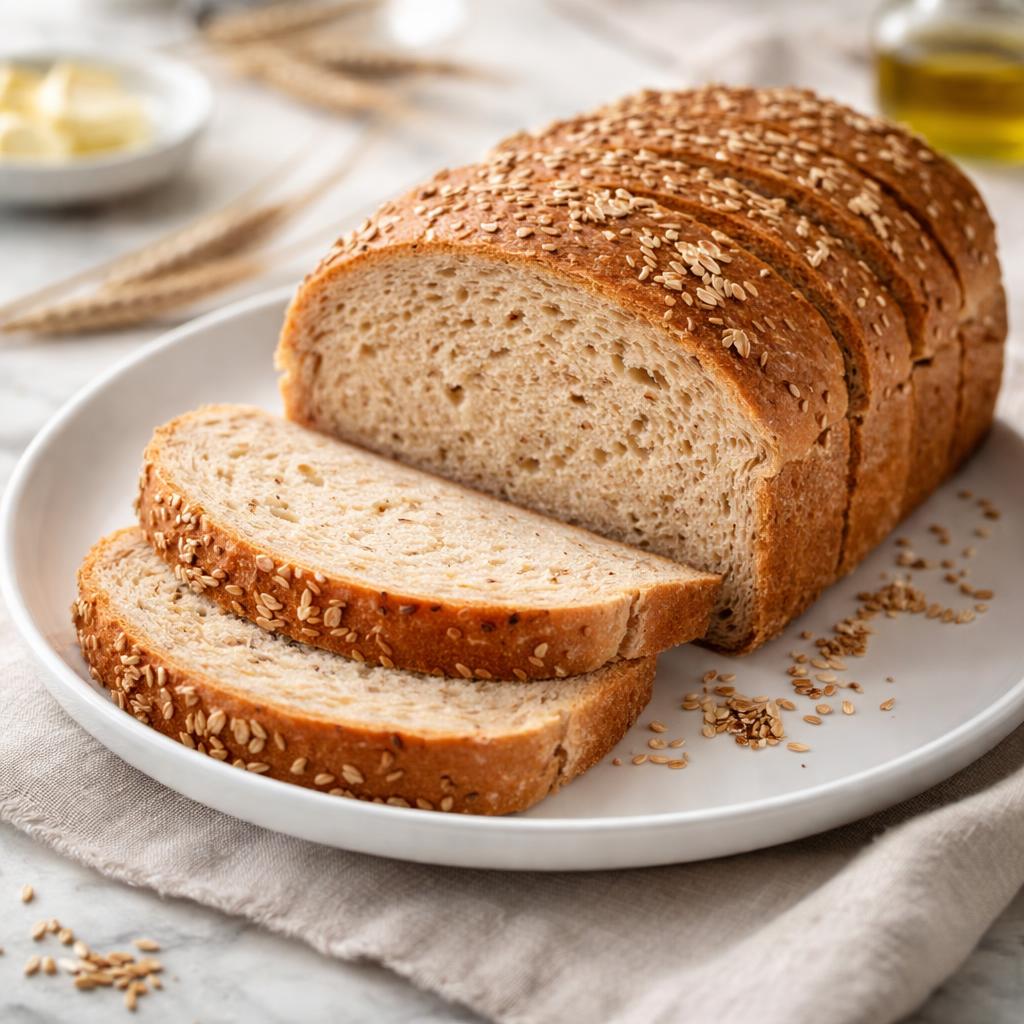
Wheat Bread
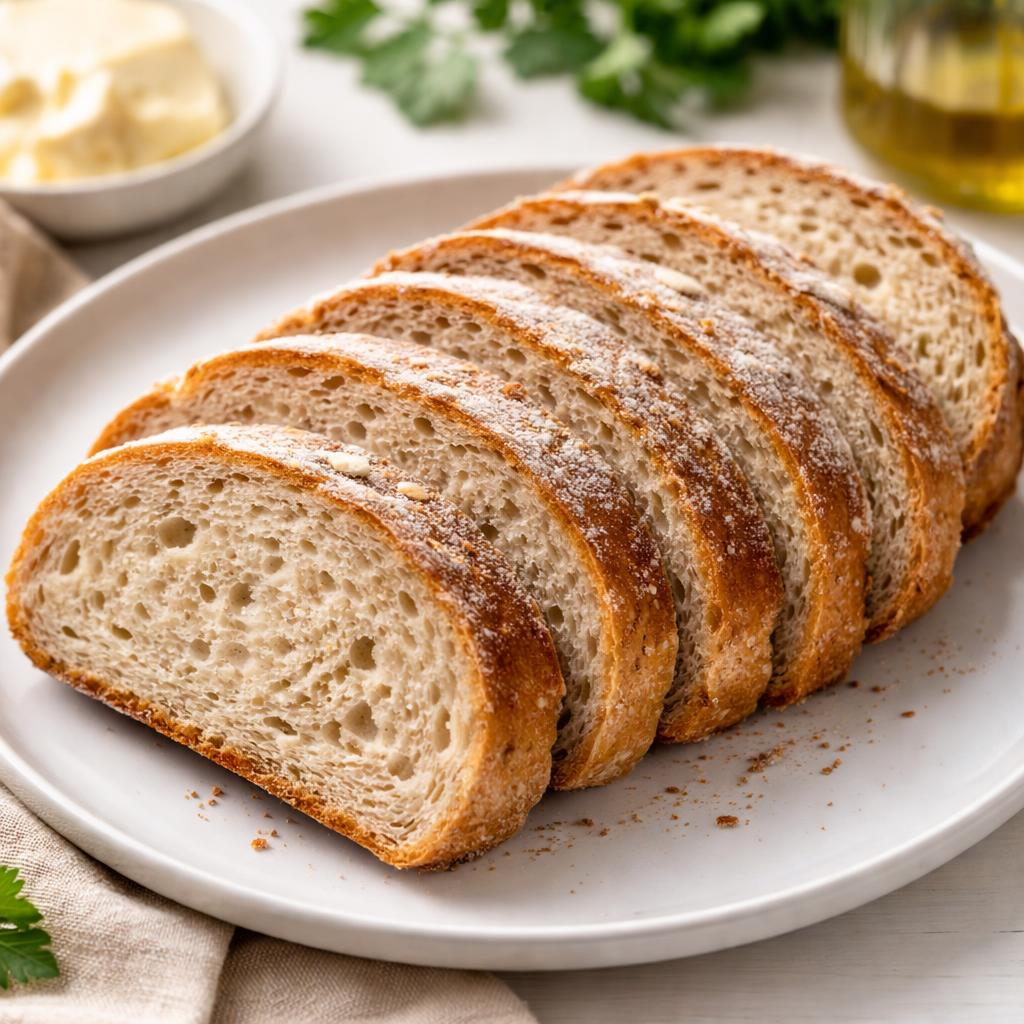
Sliced Bread
🎯 Quick Verdict
Wheat bread and sliced bread are similar in nutrition, but wheat bread edges out in several categories, including protein, fiber, and lower calorie content. Sliced bread may be slightly less nutrient-dense depending on brand and formulation but is often fortified. Both are suitable for balanced diets, with wheat bread being a better choice for those looking for higher fiber and protein content while managing calories.

Smart Nutrition Tracking with SnapCalorie

📊 Nutritional Comparison
Macronutrients
| Nutrient | Food 1 | Food 2 | Winner |
|---|---|---|---|
| Calories | 80 per slice | 100 per slice | ✓ |
| Protein | 4g per slice | 3g per slice | ✓ |
| Carbs | 15g per slice | 18g per slice | ✓ |
| Fat | 0.5g per slice | 1g per slice | ✓ |
| Fiber | 2g per slice | 1g per slice | ✓ |
Vitamins & Minerals
| Nutrient | Food 1 | Food 2 | Winner |
|---|---|---|---|
| Vitamin D | 0mcg | 2mcg (fortified) | ✓ |
| Calcium | 15mg | 50mg (fortified) | ✓ |
| Iron | 0.8mg | 1mg (fortified) | ✓ |
🏆 Category Winners
Protein
Wheat bread offers 33% more protein than sliced bread per slice.
Fiber
Wheat bread provides double the fiber.
Calories
Wheat bread is 20% lower in calories per slice compared to sliced bread.
Vitamins
Sliced bread is often fortified with Vitamin D, Calcium, and Iron, providing greater micronutrient density.
🥗 Diet Compatibility
Keto
Food 1: Not Compatible
Food 2: Not Compatible
Both are high in carbohydrates, making them unsuitable for keto diets.
Vegan
Food 1: Compatible
Food 2: Compatible
Both are plant-based unless additives like milk powder are present in sliced bread.
Gluten Free
Food 1: Not Compatible
Food 2: Not Compatible
Both wheat bread and sliced bread contain gluten.
Paleo
Food 1: Not Compatible
Food 2: Not Compatible
Neither food aligns with paleo principles as they contain processed grains.
Low-Carb
Food 1: Not Compatible
Food 2: Not Compatible
Both options are moderately high in carbs (15-18g per slice).
💪 Health Benefits Comparison
Food 1 Benefits
- Higher protein content supports muscle repair and synthesis.
- High fiber content aids in digestion and promotes satiety.
- Lower calorie option for weight management.
Food 2 Benefits
- Fortified with key vitamins, including Vitamin D and Iron, supporting bone health and energy levels.
- Provides slightly more calcium per serving for stronger bones.
- Conveniently available in various styles, including fortified varieties.
✅ The Bottom Line
Wheat bread is generally the better choice for weight management and digestive health due to its higher protein, fiber, and lower calorie content. However, sliced bread might be preferable for those seeking fortified nutrients such as Vitamin D and Calcium. Both are versatile options for sandwiches, toast, and meals, but wheat bread is slightly more nutrient-dense for overall health-focused goals.
Choose Food 1 for: High-fiber diets, weight loss, post-workout meals
Choose Food 2 for: Convenience, fortified micronutrients, general nutrient density


