Wheat Bread VS Sandwich Bread
A detailed nutritional comparison
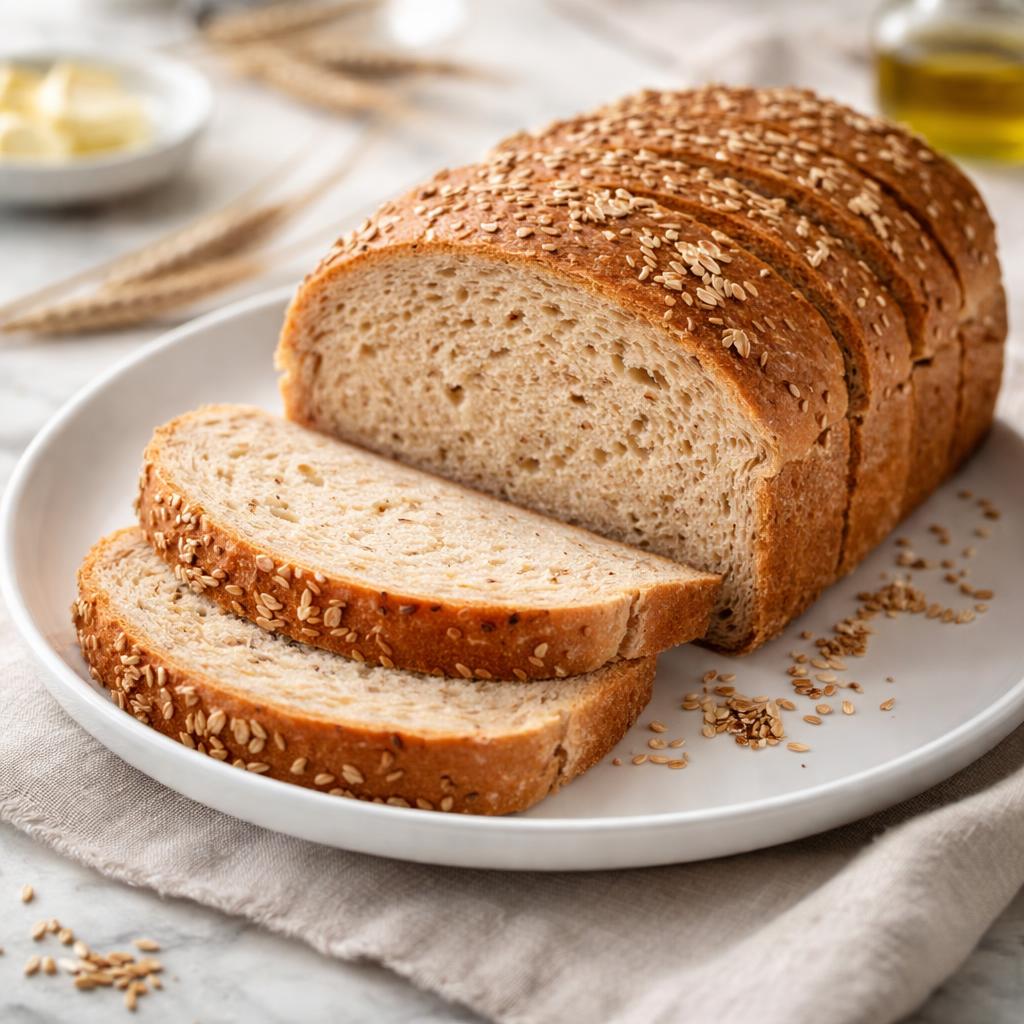
Wheat Bread

Sandwich Bread
🎯 Quick Verdict
Wheat bread is slightly healthier than sandwich bread due to its higher fiber content and lower calories. Both provide similar amounts of protein but differ in carbohydrate density, making wheat bread better for digestion and weight management, while sandwich bread works well for energy-rich meals.

Smart Nutrition Tracking with SnapCalorie

📊 Nutritional Comparison
Macronutrients
| Nutrient | Food 1 | Food 2 | Winner |
|---|---|---|---|
| Calories | − | ||
| Protein | − | ||
| Carbs | − | ||
| Fat | − | ||
| Fiber | − |
Vitamins & Minerals
| Nutrient | Food 1 | Food 2 | Winner |
|---|---|---|---|
| Vitamin D | − | ||
| Calcium | − | ||
| Iron | − |
🏆 Category Winners
Protein
Both contain equal protein levels at 3.5g per serving.
Fiber
Wheat bread contains 2g of fiber, twice as much as sandwich bread.
Calories
Wheat bread is lower in calories (80 per slice versus 100).
Vitamins
Sandwich bread contains higher calcium levels, making it beneficial for strong bones.
🥗 Diet Compatibility
Keto
Food 1: Unknown
Food 2: Unknown
Both are high in carbs, making them unsuitable for keto diets.
Vegan
Food 1: Unknown
Food 2: Unknown
Both are plant-based unless containing eggs or milk.
Gluten Free
Food 1: Unknown
Food 2: Unknown
Both contain gluten due to wheat-derived ingredients.
Paleo
Food 1: Unknown
Food 2: Unknown
Both are processed grains, which disqualify them from paleo diets.
Low-Carb
Food 1: Unknown
Food 2: Unknown
Carbohydrate levels exceed 10g per serving for both foods.
💪 Health Benefits Comparison
Food 1 Benefits
Food 2 Benefits
✅ The Bottom Line
If you're looking for a more fiber-rich and lower-calorie option, wheat bread is the better choice. Sandwich bread works as a convenient source of calcium and energy in higher-calorie meals. Both can be useful depending on dietary priorities.


