Wheat Bread VS Pumpkin Bread
A detailed nutritional comparison
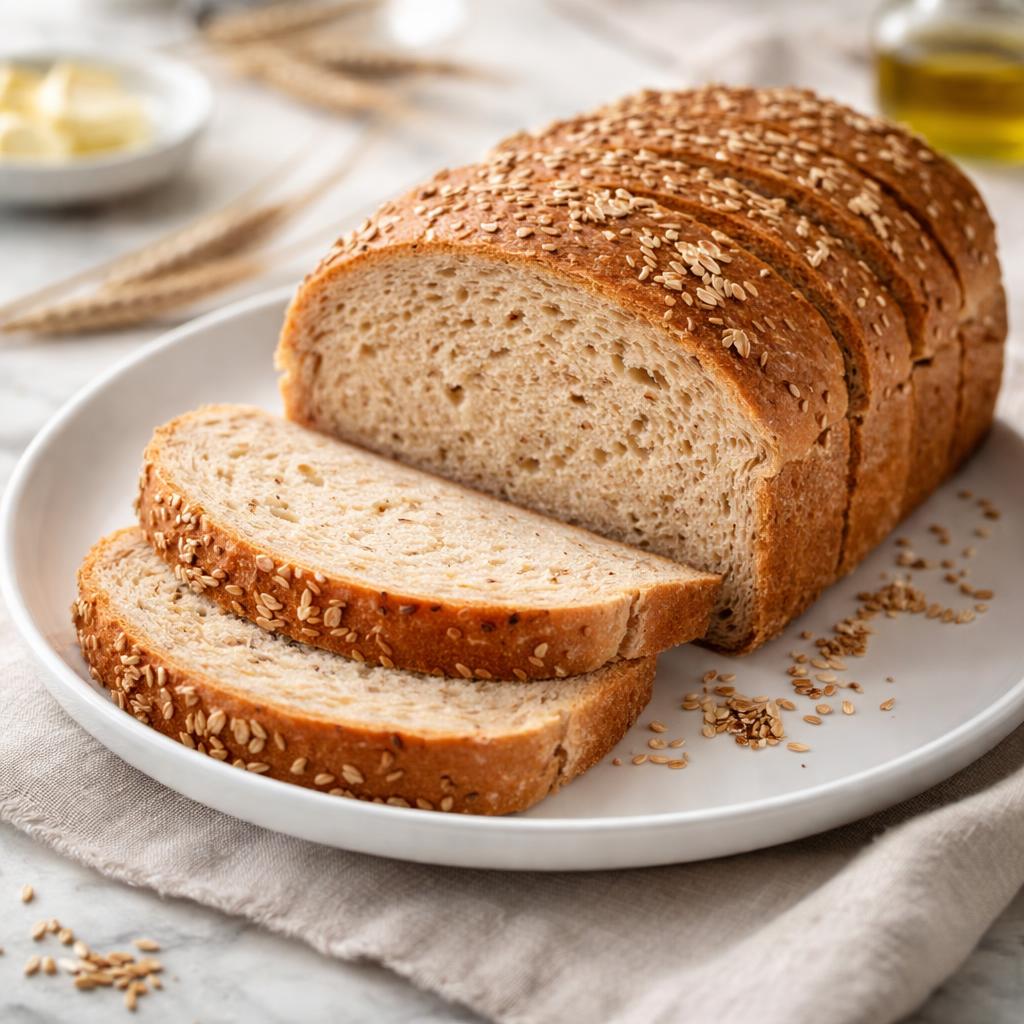
Wheat Bread
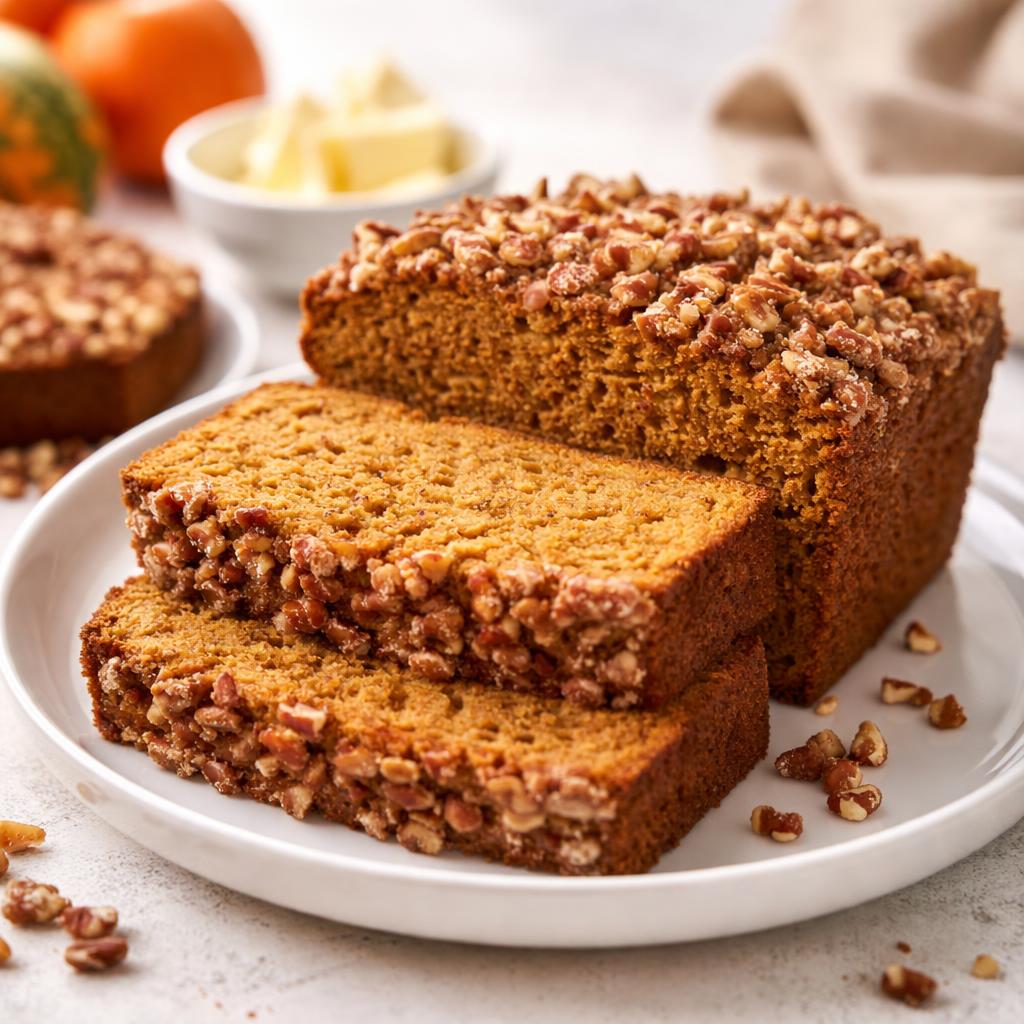
Pumpkin Bread
🎯 Quick Verdict
Wheat bread is a better choice for those seeking higher protein, fiber, and fewer calories. Pumpkin bread is higher in sugar and calories but provides additional nutrients like vitamin A due to the pumpkin content. Wheat bread is ideal for general health and weight management, while pumpkin bread is suited for occasional treats or variety in nutrient intake.

Smart Nutrition Tracking with SnapCalorie

📊 Nutritional Comparison
Macronutrients
| Nutrient | Food 1 | Food 2 | Winner |
|---|---|---|---|
| Calories | 100 | 160 | ✓ |
| Protein | 4g | 2g | ✓ |
| Carbs | 20g | 30g | ✓ |
| Fat | 1g | 5g | ✓ |
| Fiber | 2g | 1g | ✓ |
Vitamins & Minerals
| Nutrient | Food 1 | Food 2 | Winner |
|---|---|---|---|
| Vitamin A | 0mcg | 500mcg | ✓ |
| Calcium | 40mg | 20mg | ✓ |
| Iron | 1mg | 0.5mg | ✓ |
🏆 Category Winners
Protein
Wheat bread has twice the protein per serving than pumpkin bread.
Fiber
Wheat bread contains 100% more fiber for digestive health.
Calories
Wheat bread is 37.5% lower in calories than pumpkin bread.
Vitamins
Pumpkin bread provides significant vitamin A not found in wheat bread.
🥗 Diet Compatibility
Keto
Food 1: Not Compatible
Food 2: Not Compatible
Both have high carbohydrate content not suitable for keto.
Vegan
Food 1: Compatible depending on recipe
Food 2: Compatible depending on recipe
Both can be vegan depending on usage of milk or eggs in preparation.
Gluten Free
Food 1: Not Compatible
Food 2: Not Compatible
Both contain gluten from flour unless alternative recipes are used.
Paleo
Food 1: Not Compatible
Food 2: Not Compatible
Neither aligns with paleo due to grains and refined ingredients.
Low Carb
Food 1: Not Compatible
Food 2: Not Compatible
Both foods are high in carbs and are unsuitable for low-carb diets.
💪 Health Benefits Comparison
Food 1 Benefits
- Good source of fiber for digestion
- Higher protein content supports muscle maintenance
- Lower calories make it suitable for weight management
- Provides essential nutrients like iron and calcium
Food 2 Benefits
- High in vitamin A for eye and skin health
- Contains healthy fats for energy and heart health
- Delivers antioxidants from pumpkin for cell protection
- Provides a sweeter flavor for occasional indulgences
✅ The Bottom Line
Wheat bread is a healthier choice due to its higher fiber, protein, and lower calorie count, making it ideal for everyday consumption and weight management. Pumpkin bread is richer in vitamin A and offers a treat-like option better suited for indulgences or nutrient variation.
Choose Food 1 for: Daily use, weight management, higher protein and fiber needs
Choose Food 2 for: Occasional treat, eye health, nutrient variety


