Wheat Bread VS Pita Bread
A detailed nutritional comparison
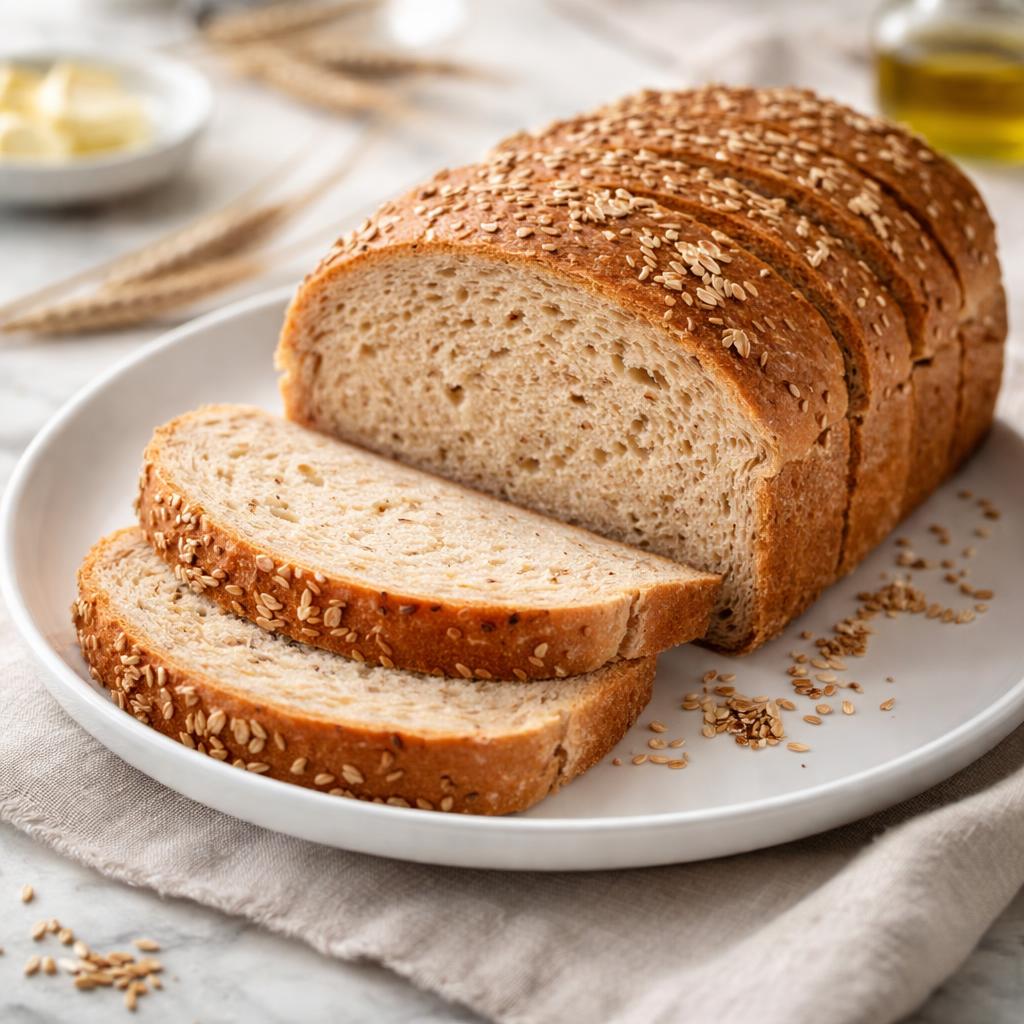
Wheat Bread
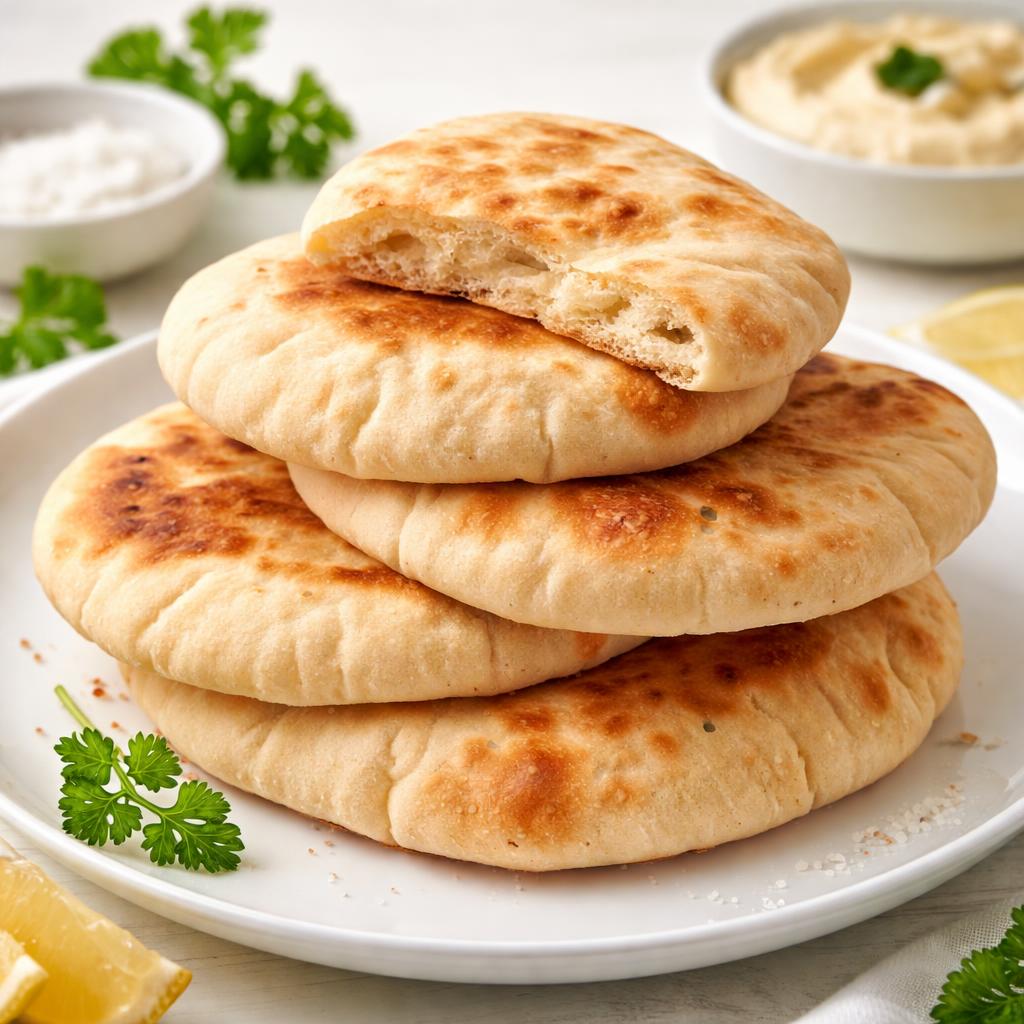
Pita Bread
🎯 Quick Verdict
Wheat bread offers more protein, fiber, and micronutrients, making it a better choice for individuals seeking satiating and nutrient-dense options. Pita bread, on the other hand, is lower in calories, making it more suitable for calorie-conscious diets or as a lighter option. Both are versatile for various meals, but wheat bread edges ahead nutritionally overall.

Smart Nutrition Tracking with SnapCalorie

📊 Nutritional Comparison
Macronutrients
| Nutrient | Food 1 | Food 2 | Winner |
|---|---|---|---|
| Calories | 80 per slice | 70 per round | ✓ |
| Protein | 4g per slice | 2.7g per round | ✓ |
| Carbs | 15g per slice | 13g per round | ✓ |
| Fat | 1g per slice | 0.5g per round | ✓ |
| Fiber | 2g per slice | 1g per round | ✓ |
Vitamins & Minerals
| Nutrient | Food 1 | Food 2 | Winner |
|---|---|---|---|
| Vitamin D | 0mcg | 0mcg | − |
| Calcium | 30mg | 20mg | ✓ |
| Iron | 0.8mg | 0.5mg | ✓ |
🏆 Category Winners
Protein
Wheat bread contains nearly 50% more protein per serving compared to pita bread.
Fiber
Wheat bread has double the fiber content per serving.
Calories
Pita bread is slightly lower in calories per serving.
Vitamins
Wheat bread offers more calcium and iron compared to pita bread.
🥗 Diet Compatibility
Keto
Food 1: Not Compatible
Food 2: Not Compatible
Both are high-carb foods and not suitable for keto diets.
Vegan
Food 1: Compatible
Food 2: Compatible
Both are plant-based and free of animal products.
Gluten Free
Food 1: Not Compatible
Food 2: Not Compatible
Both contain gluten from wheat flour.
Paleo
Food 1: Not Compatible
Food 2: Not Compatible
Both are made from grains, which are avoided in paleo diets.
Low-Carb
Food 1: Not Compatible
Food 2: Not Compatible
Both foods have 13-15 grams of carbs per serving, unsuitable for low-carb diets.
💪 Health Benefits Comparison
Food 1 Benefits
- Good source of dietary fiber for digestive health
- Contains more protein, supporting muscle maintenance
- Provides iron for blood health and energy
- Higher calcium content for bone health
Food 2 Benefits
- Lower calorie option suitable for weight loss
- Low fat content appeals to low-fat diets
- Versatile and works well for wraps and lighter meals
- Provides moderate carbohydrates for energy
✅ The Bottom Line
Choose wheat bread for its higher nutrient density, protein, and fiber content if dietary fiber and mineral intake are priorities. Opt for pita bread when seeking a lower-calorie, versatile bread for light meals like wraps or as part of calorie-conscious diets.
Choose Food 1 for: High-fiber diets, nutrient-dense meals, muscle building
Choose Food 2 for: Low-calorie diets, wraps and light meals, energy boost


