Wheat Bread VS Bread With Peanut Butter
A detailed nutritional comparison
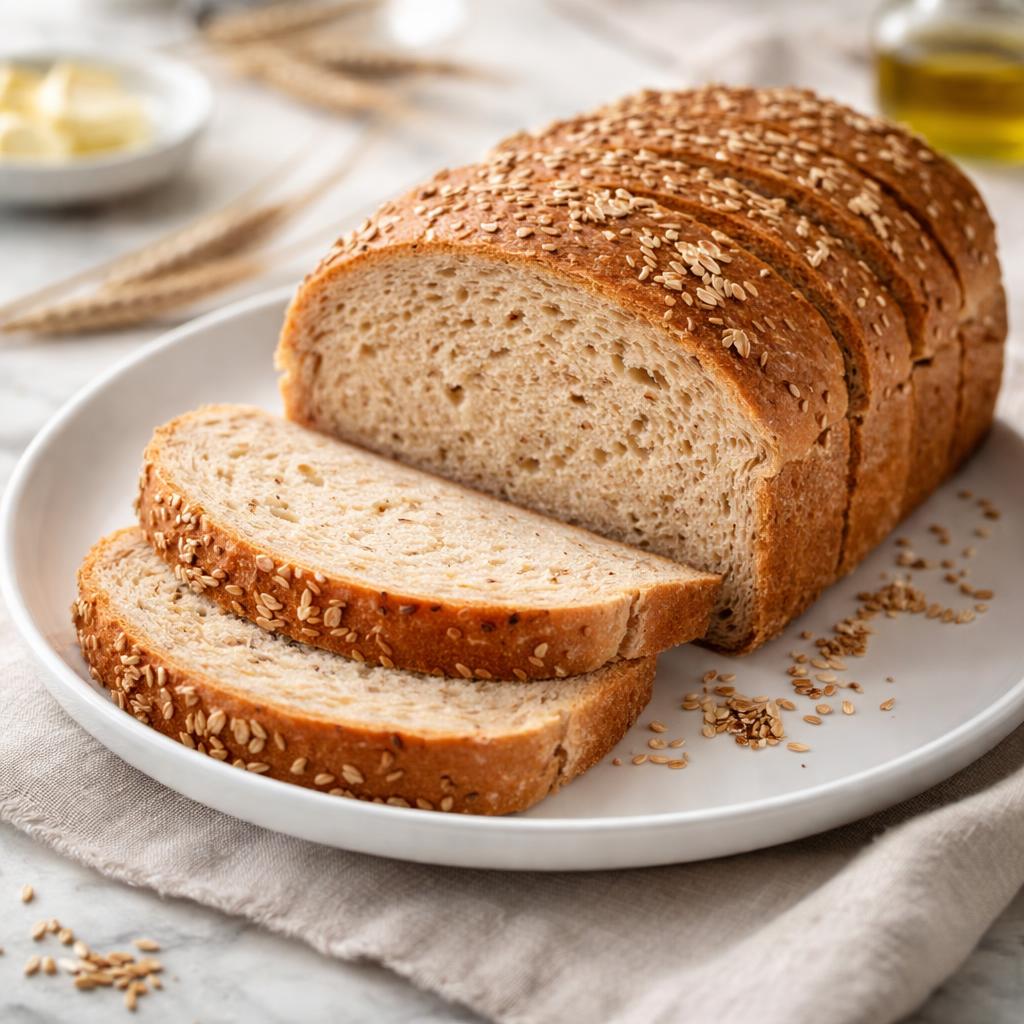
Wheat Bread
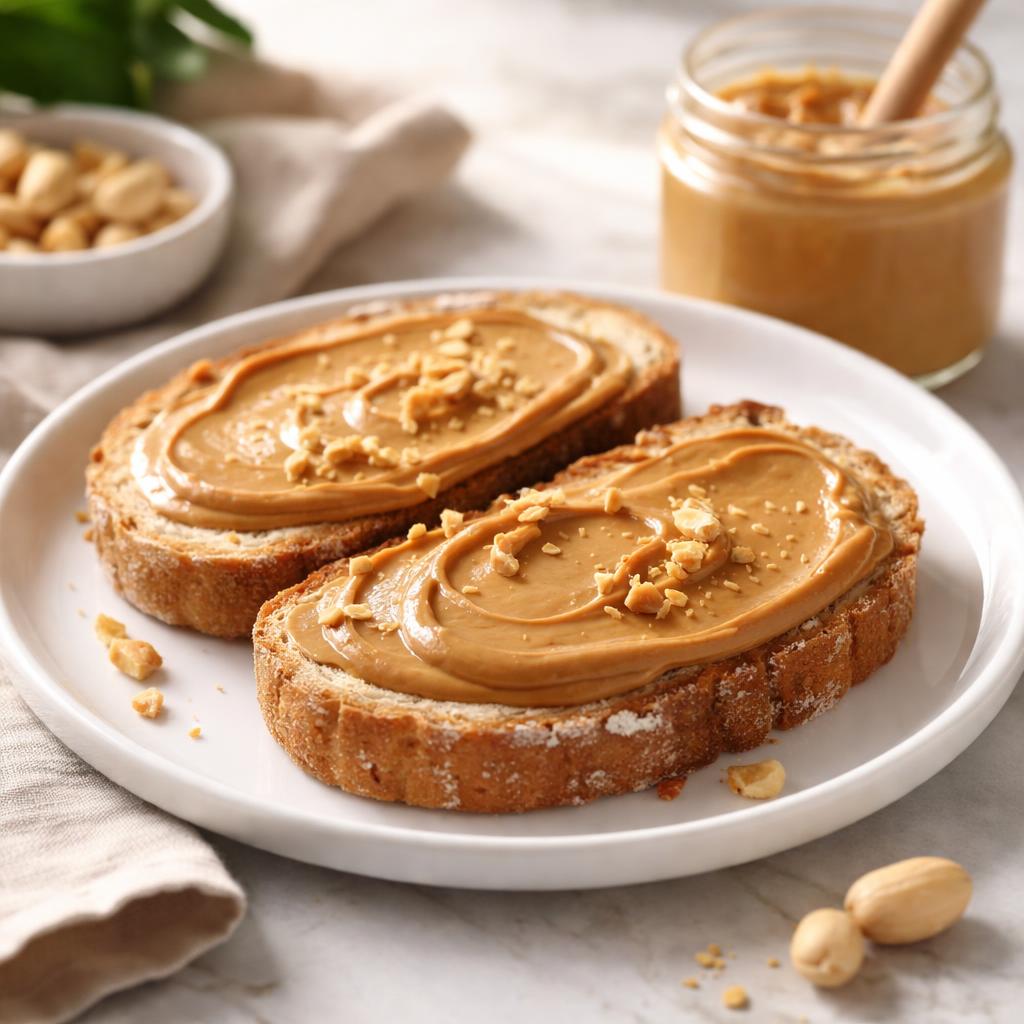
Bread With Peanut Butter
🎯 Quick Verdict
Bread with peanut butter offers a more complete nutritional profile due to higher protein and healthy fats, making it a more satiating option. Wheat bread is lower in calories and remains a good choice for low-calorie diets or as a lighter base for other toppings.

Smart Nutrition Tracking with SnapCalorie

📊 Nutritional Comparison
Macronutrients
| Nutrient | Food 1 | Food 2 | Winner |
|---|---|---|---|
| Calories | 80 kcal (per slice) | 190 kcal (per slice with peanut butter) | ✓ |
| Protein | 3g | 7g | ✓ |
| Carbs | 15g | 12g | ✓ |
| Fat | 0.5g | 14g | ✓ |
| Fiber | 2g | 2g | − |
Vitamins & Minerals
| Nutrient | Food 1 | Food 2 | Winner |
|---|---|---|---|
| Vitamin E | 0mg | 1.5mg | ✓ |
| Calcium | 20mg | 25mg | ✓ |
| Iron | 1mg | 0.8mg | ✓ |
🏆 Category Winners
Protein
Bread with peanut butter provides over double the protein per serving.
Fiber
Both foods contain 2g of fiber per serving.
Calories
Wheat bread has significantly fewer calories compared to bread with peanut butter.
Vitamins
Peanut butter adds Vitamin E and slightly more calcium to the overall nutritional profile.
🥗 Diet Compatibility
Keto
Food 1: Not Compatible
Food 2: Not Compatible
Both foods are relatively high in carbohydrates.
Vegan
Food 1: Compatible
Food 2: Compatible
Wheat bread and peanut butter are plant-based.
Gluten Free
Food 1: Not Compatible
Food 2: Not Compatible
Bread typically contains gluten unless specified gluten-free.
Paleo
Food 1: Not Compatible
Food 2: Not Compatible
Neither food fits the Paleo diet due to processed grains and legumes.
Low-Carb
Food 1: Not Compatible
Food 2: Not Compatible
Both foods exceed standard low-carb thresholds.
💪 Health Benefits Comparison
Food 1 Benefits
- Good source of complex carbs for energy
- Low calorie option for weight management
- Contains fiber for digestive health
Food 2 Benefits
- Provides healthy fats for heart and brain health
- Rich in protein for muscle repair and satiety
- Contains Vitamin E, a powerful antioxidant
✅ The Bottom Line
Wheat bread is ideal for those seeking a lighter, lower-calorie option, while bread with peanut butter offers better macronutrient balance for sustained energy and muscle repair. Both choices have their benefits depending on dietary goals.
Choose Food 1 for: Low-calorie diets, quick energy boosts, base for versatile toppings
Choose Food 2 for: Post-workout recovery, hunger management, nutrient-dense snacking


