Vermicelli Noodles VS Chinese Noodles
A detailed nutritional comparison
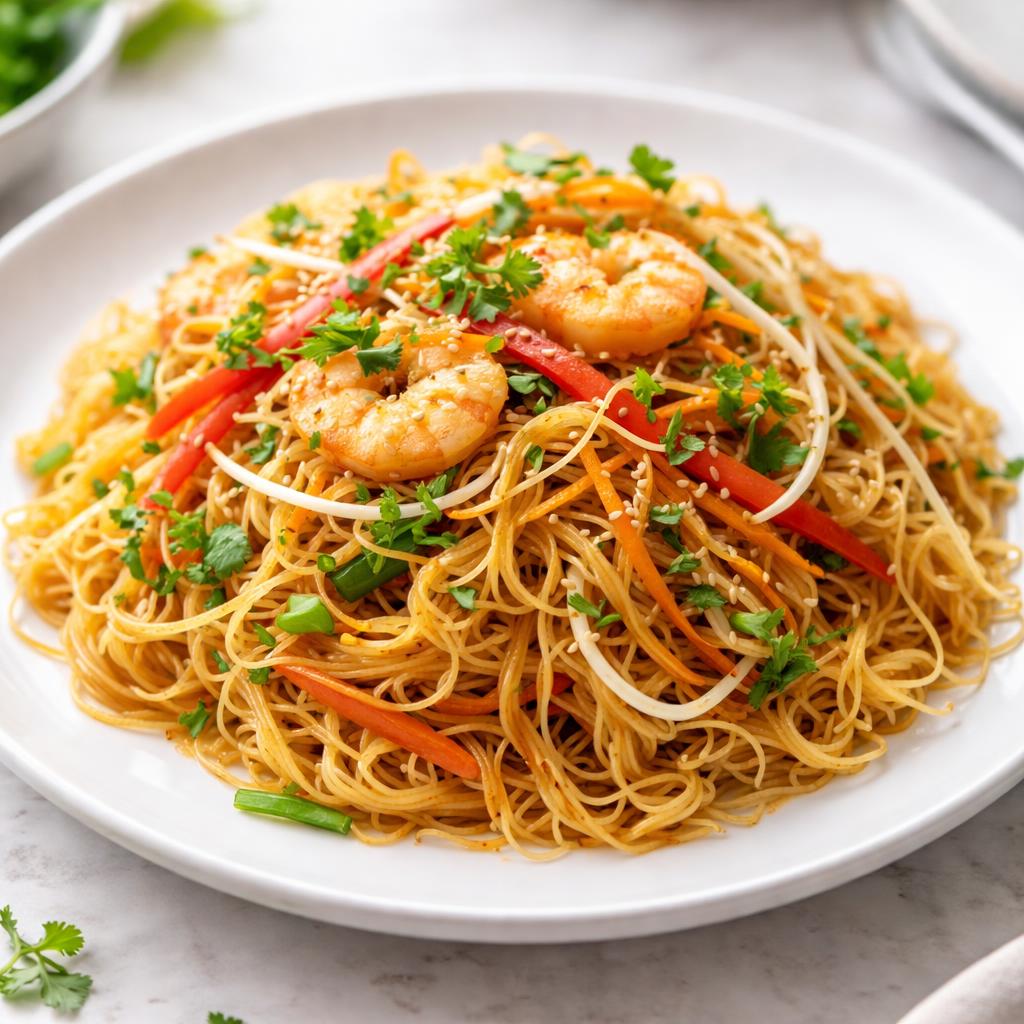
Vermicelli Noodles
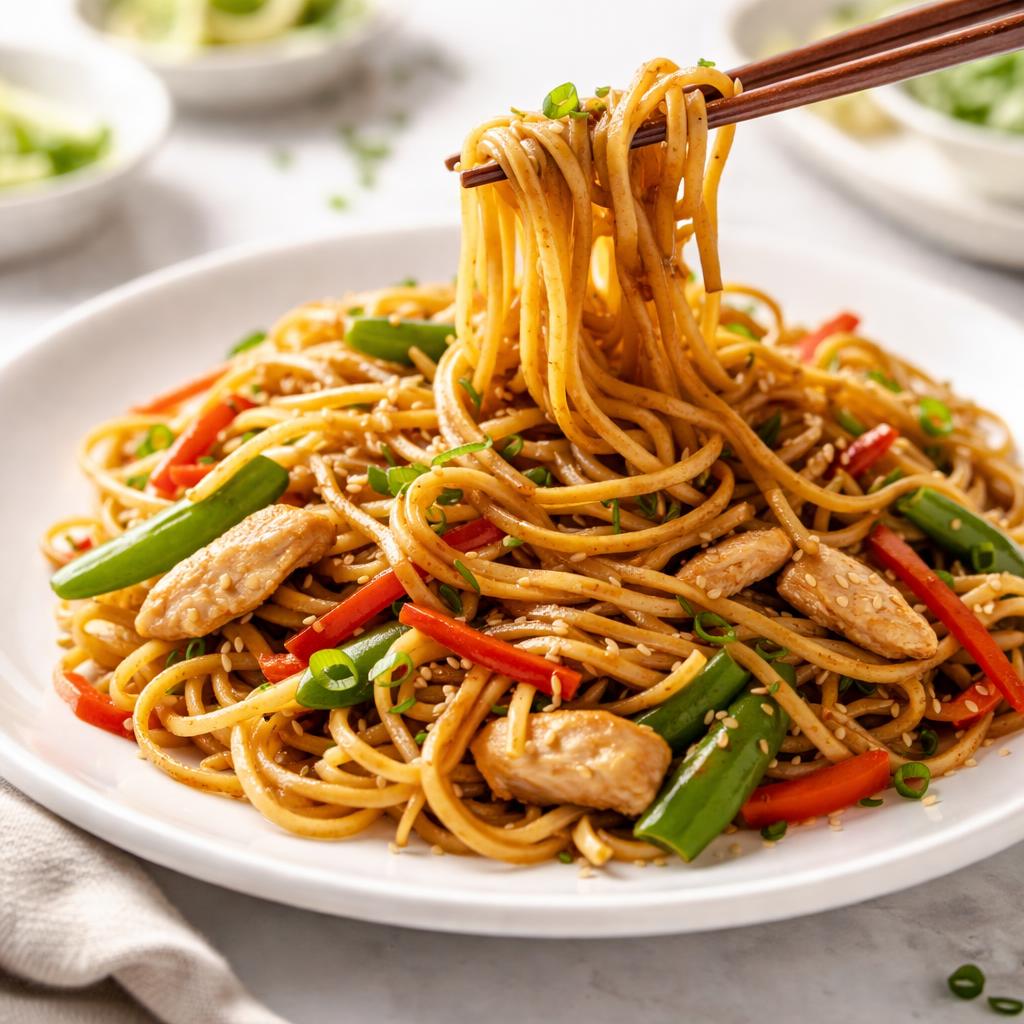
Chinese Noodles
🎯 Quick Verdict
Vermicelli noodles are lower in calories and fat, making them ideal for weight-conscious diets. Chinese noodles, on the other hand, provide higher protein and fiber, supporting muscle maintenance and digestion. Both are versatile and suited to different culinary uses, depending on nutritional priorities.

Smart Nutrition Tracking with SnapCalorie

📊 Nutritional Comparison
Macronutrients
| Nutrient | Food 1 | Food 2 | Winner |
|---|---|---|---|
| Calories | 192 per cup | 210 per cup | ✓ |
| Protein | 3.5g | 7g | ✓ |
| Carbs | 42g | 41g | ✓ |
| Fat | 0.3g | 2.5g | ✓ |
| Fiber | 1g | 2g | ✓ |
Vitamins & Minerals
| Nutrient | Food 1 | Food 2 | Winner |
|---|---|---|---|
| Calcium | 7mg | 12mg | ✓ |
| Iron | 0.3mg | 1.2mg | ✓ |
🏆 Category Winners
Protein
Chinese noodles have significantly more protein per serving (7g vs 3.5g).
Fiber
Chinese noodles contain double the fiber compared to vermicelli noodles.
Calories
Vermicelli noodles are lower in calories (192 vs 210).
🥗 Diet Compatibility
Keto
Food 1: Not Compatible
Food 2: Not Compatible
Both are high in carbs, making them unsuitable for keto diets.
Vegan
Food 1: Compatible
Food 2: Compatible
Both are plant-based and suitable for vegan diets.
Gluten Free
Food 1: Not Compatible
Food 2: Not Compatible
Both typically contain wheat flour and are therefore not gluten-free.
Paleo
Food 1: Not Compatible
Food 2: Not Compatible
Neither aligns with paleo principles due to processed grains.
Low Carb
Food 1: Not Compatible
Food 2: Not Compatible
Both have high carbohydrate content (over 40g per serving).
💪 Health Benefits Comparison
Food 1 Benefits
- Low in fat, suitable for low-fat diets
- Lower calorie option for weight management
- Provides quick energy from carbs
Food 2 Benefits
- Higher protein to support muscle health
- Good source of fiber for improved digestion
- Contains more iron for better oxygen transport
✅ The Bottom Line
Choose vermicelli noodles for lower-calorie meals and quick energy, ideal for light dishes or weight loss plans. Opt for Chinese noodles if you need more protein and fiber for muscle maintenance and digestion, especially in heartier, nutrient-dense meals.
Choose Food 1 for: Light meals, weight-conscious diets, quick energy
Choose Food 2 for: Muscle health, digestion support, nutrient-dense meals


