Udon Noodles VS Tuna Pasta
A detailed nutritional comparison
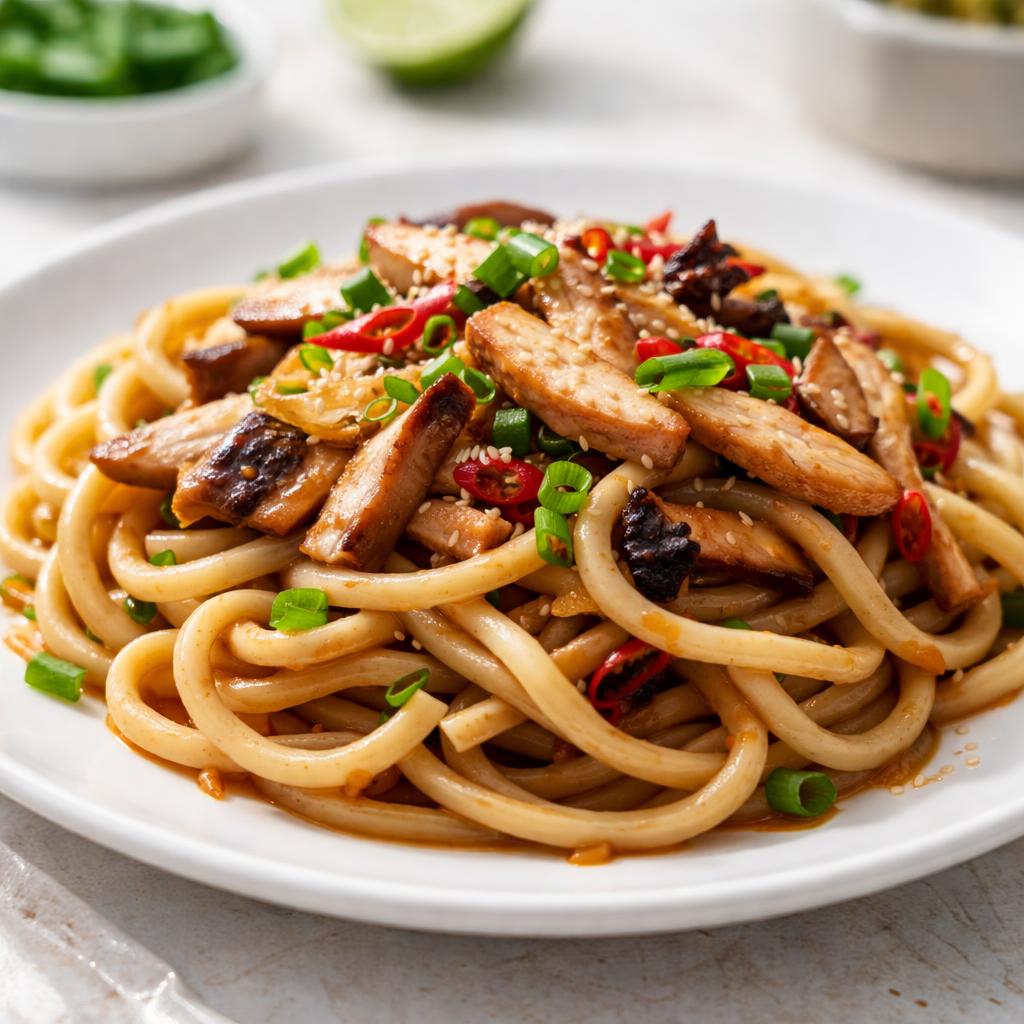
Udon Noodles
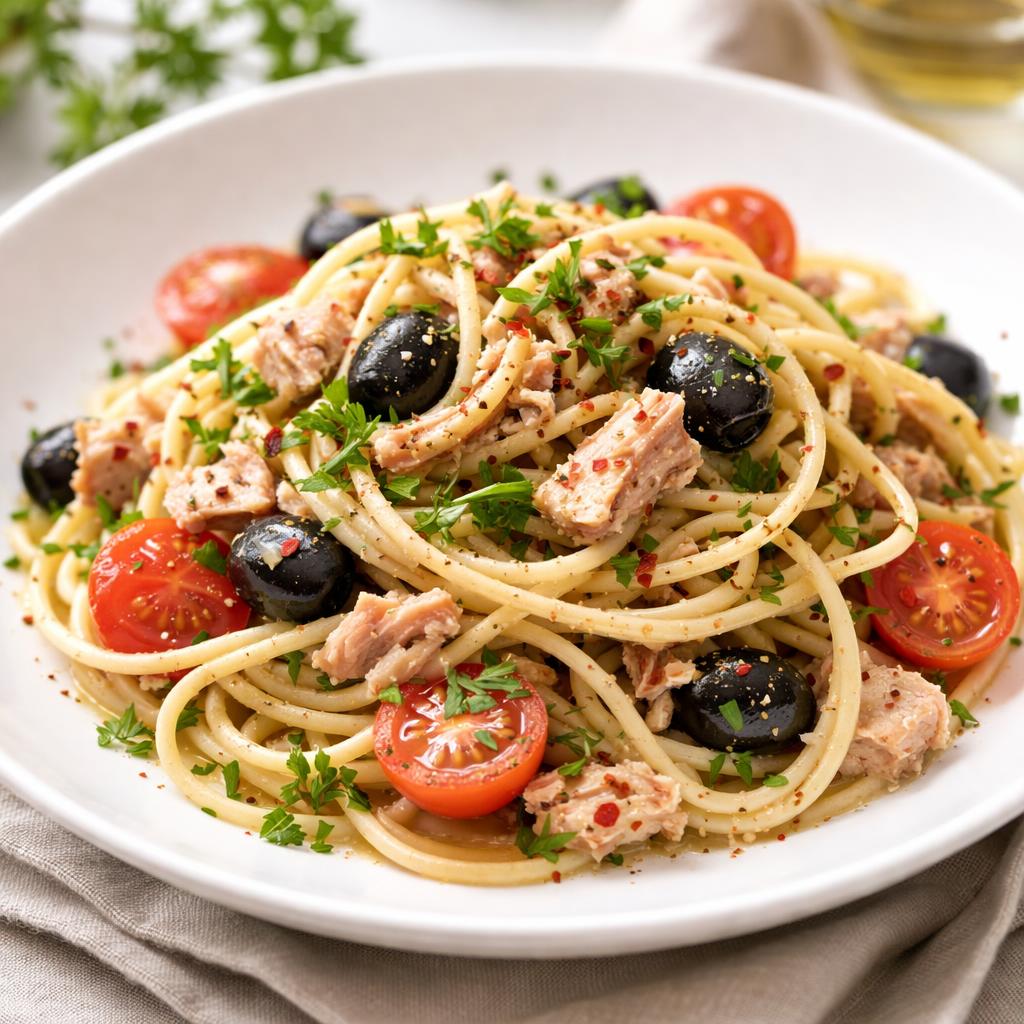
Tuna Pasta
🎯 Quick Verdict
Udon noodles are lower in calories and fat, making them slightly better for weight-conscious individuals. However, tuna pasta excels in protein and fiber content, making it more suitable for muscle maintenance, recovery, and digestive health. Udon noodles are ideal for light meals, while tuna pasta is better suited for balanced, nutrient-dense meals.

Smart Nutrition Tracking with SnapCalorie

📊 Nutritional Comparison
Macronutrients
| Nutrient | Food 1 | Food 2 | Winner |
|---|---|---|---|
| Calories | 200 | 350 | ✓ |
| Protein | 7g | 20g | ✓ |
| Carbs | 40g | 45g | ✓ |
| Fat | 1g | 10g | ✓ |
| Fiber | 2g | 4g | ✓ |
Vitamins & Minerals
| Nutrient | Food 1 | Food 2 | Winner |
|---|---|---|---|
| Vitamin D | 0mcg | 2mcg | ✓ |
| Calcium | 20mg | 30mg | ✓ |
| Iron | 0.7mg | 1.2mg | ✓ |
🏆 Category Winners
Protein
Tuna pasta contains nearly three times as much protein as udon noodles.
Fiber
Tuna pasta provides twice the dietary fiber, supporting better digestion.
Calories
Udon noodles are 43% lower in calories per serving.
Vitamins
Tuna pasta is richer in Vitamin D, calcium, and iron.
🥗 Diet Compatibility
Keto
Food 1: Not Compatible
Food 2: Not Compatible
Both foods contain high amounts of carbohydrates.
Vegan
Food 1: Compatible
Food 2: Not Compatible
Udon noodles are plant-based, while tuna pasta includes animal products.
Gluten Free
Food 1: Not Compatible
Food 2: Not Compatible
Both foods contain gluten from wheat-based noodles or pasta.
Paleo
Food 1: Not Compatible
Food 2: Not Compatible
Neither are paleo-compliant due to refined grains and dairy elements in tuna pasta (if applicable).
Low Carb
Food 1: Not Compatible
Food 2: Not Compatible
Both foods are high in carbohydrates (over 40g per serving).
💪 Health Benefits Comparison
Food 1 Benefits
- Low in fat, supporting heart health
- Provides sustained energy from complex carbohydrates
- Works well in light dishes for weight management
Food 2 Benefits
- High in protein for muscle repair and maintenance
- Rich in fiber for digestive health
- Contains essential nutrients like Vitamin D and iron for improved energy levels
✅ The Bottom Line
Udon noodles are better suited for individuals seeking a low-calorie, low-fat option for lighter meals or energy-focused dishes. Tuna pasta is a more nutrient-dense choice with higher protein, fiber, and essential vitamins, making it ideal for post-workout recovery or balanced meals.
Choose Food 1 for: Weight management, simple meals, carb-focused energy.
Choose Food 2 for: Post-workout recovery, nutrient-dense meals, muscle building.


