Udon Noodles VS Soba Noodles
A detailed nutritional comparison
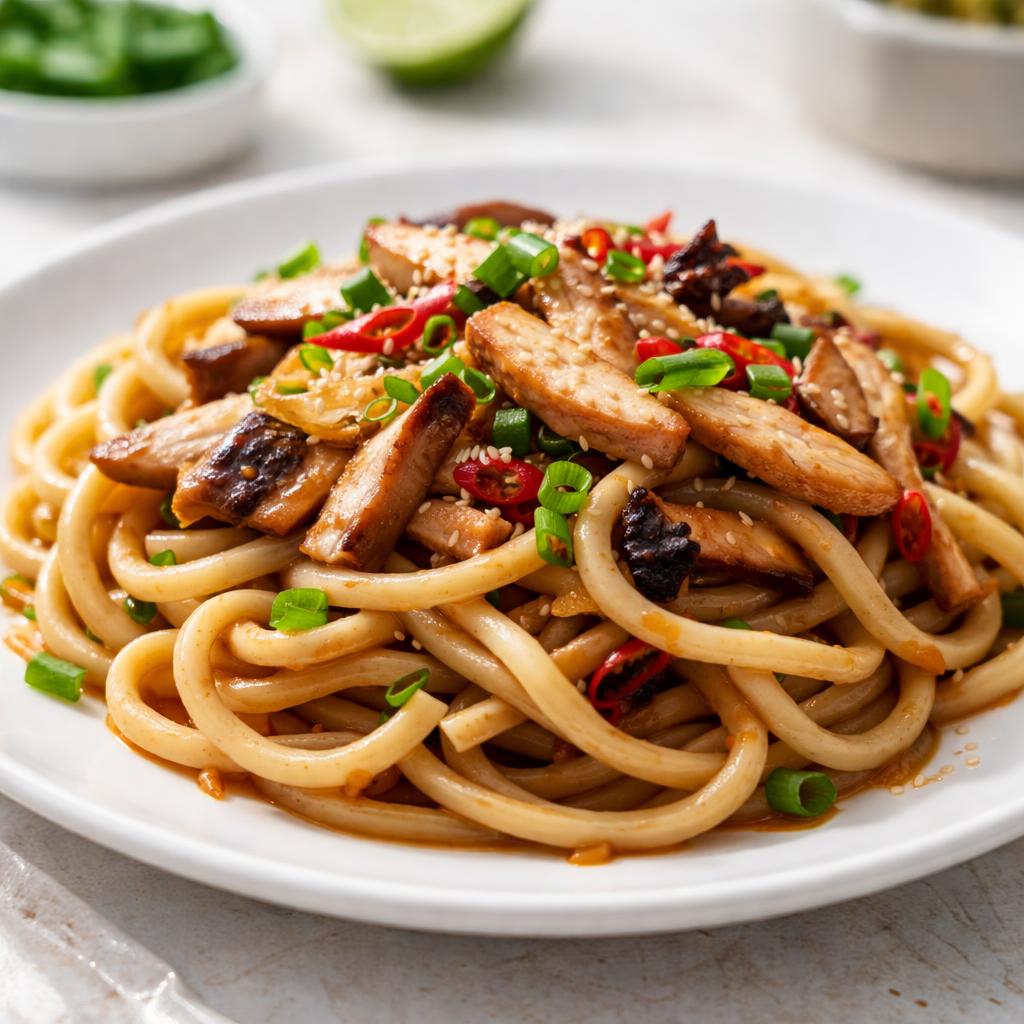
Udon Noodles
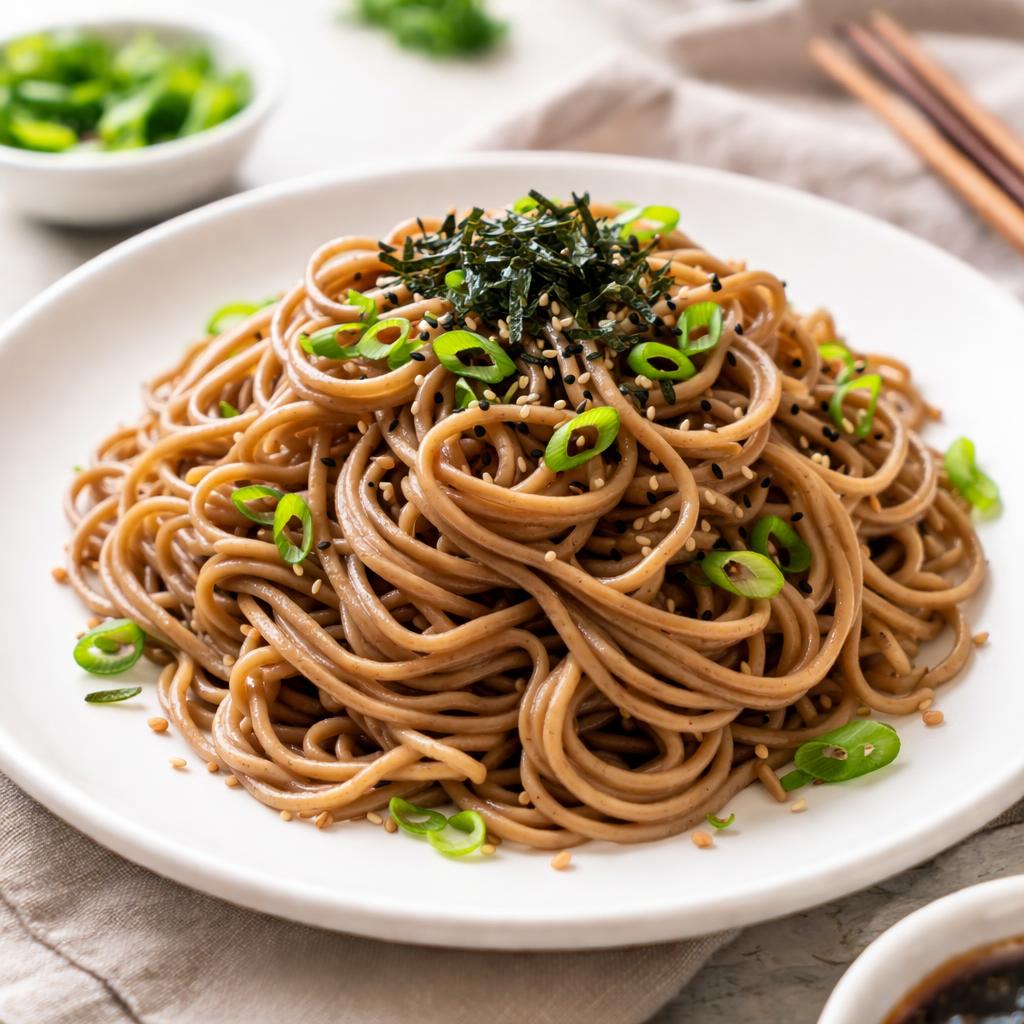
Soba Noodles
🎯 Quick Verdict
Soba noodles are nutritionally superior to udon noodles, offering higher protein and fiber content and significant micronutrient benefits due to their buckwheat base. Udon noodles are lower in fat and preferred for their soft texture, making them well-suited for soups, whereas soba excels in cold dishes and offers a nutrient-packed choice for heart health and sustained energy.

Smart Nutrition Tracking with SnapCalorie

📊 Nutritional Comparison
Macronutrients
| Nutrient | Food 1 | Food 2 | Winner |
|---|---|---|---|
| Calories | 200 kcal | 200 kcal | − |
| Protein | 7g | 8g | − |
| Carbs | 40g | 39g | − |
| Fat | 0.5g | 1g | − |
| Fiber | 1g | 2.5g | − |
Vitamins & Minerals
| Nutrient | Food 1 | Food 2 | Winner |
|---|---|---|---|
| Vitamin B3 | 0.5mg | 2mg | − |
| Iron | 0.5mg | 1.3mg | − |
| Magnesium | 10mg | 70mg | − |
🏆 Category Winners
Protein
Soba noodles contain slightly more protein (8g compared to 7g per serving).
Fiber
Soba noodles offer 150% more fiber per serving, helping with digestion.
Calories
Both have an equal calorie count of 200 kcal per serving.
🥗 Diet Compatibility
Keto
Food 1: Not Compatible
Food 2: Not Compatible
Both noodles are high-carb, making them unsuitable for keto diets.
Vegan
Food 1: Compatible
Food 2: Compatible
Both udon and soba noodles are plant-based and vegan-friendly.
Gluten Free
Food 1: Not Compatible
Food 2: Partially Compatible
Soba noodles made with 100% buckwheat flour are gluten-free, whereas udon contains wheat.
Paleo
Food 1: Not Compatible
Food 2: Not Compatible
Neither noodle type fits paleo guidelines due to their grain content.
Low-Carb
Food 1: Not Compatible
Food 2: Not Compatible
Both noodles contain a high amount of carbohydrates.
💪 Health Benefits Comparison
Food 1 Benefits
- Low in fat, making it suitable for low-fat diets
- Provides quick energy due to high carbohydrate content
- Soft texture pairs well with hydrating soups for boosted hydration
Food 2 Benefits
- Rich in fiber, aiding digestion and gut health
- Higher protein content for muscle repair and sustained energy
- Source of iron and magnesium for improved blood health and energy metabolism
- Contains antioxidants from buckwheat to promote heart health
✅ The Bottom Line
Soba noodles are nutritionally denser, with higher fiber, protein, and essential micronutrients, making them better suited for individuals seeking a nutrient-packed option or managing heart health. Udon noodles are ideal for lighter dishes and soft-textured meals, particularly in comforting soups.
Choose Food 1 for: Traditional soups, low-fat diets, hydration
Choose Food 2 for: Cold dishes, heart health, nutrient-dense meals, fiber-rich diets


