Udon Noodles VS Rice Vinegar
A detailed nutritional comparison
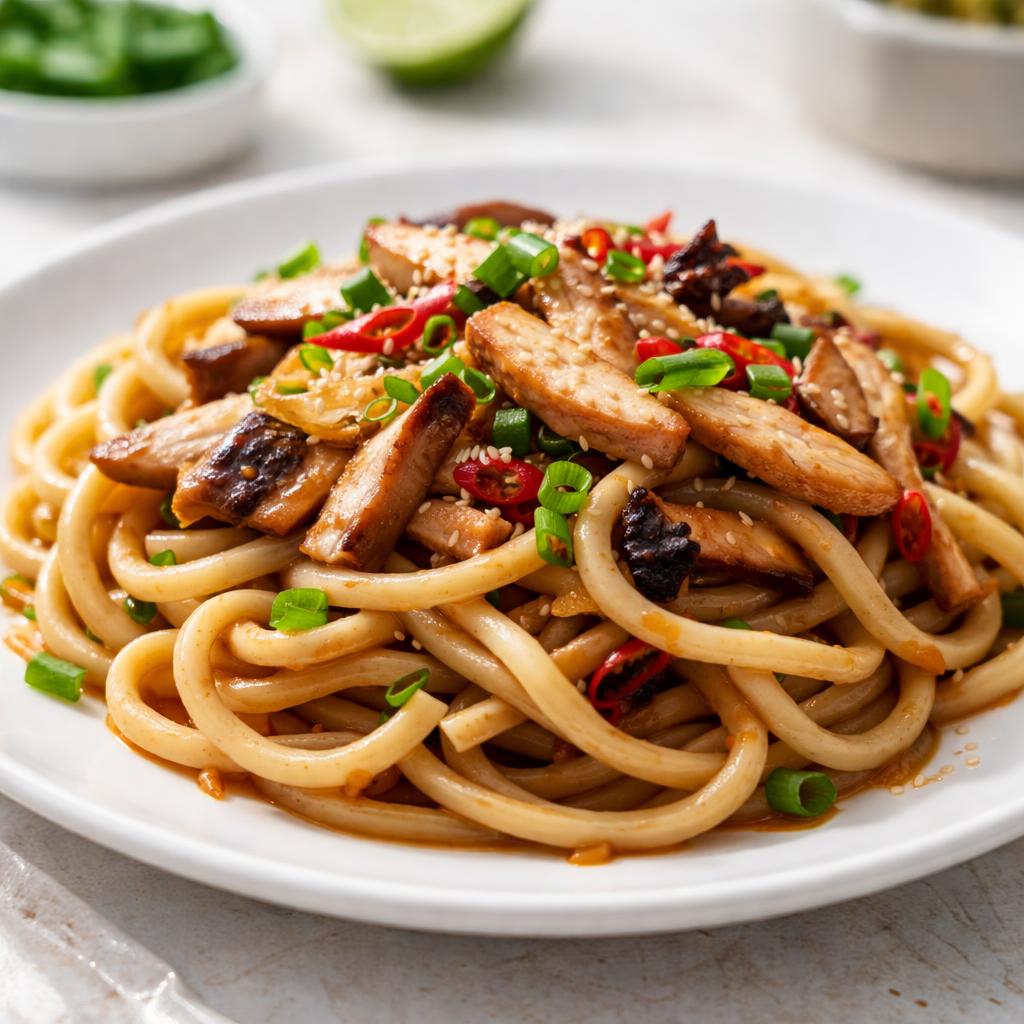
Udon Noodles
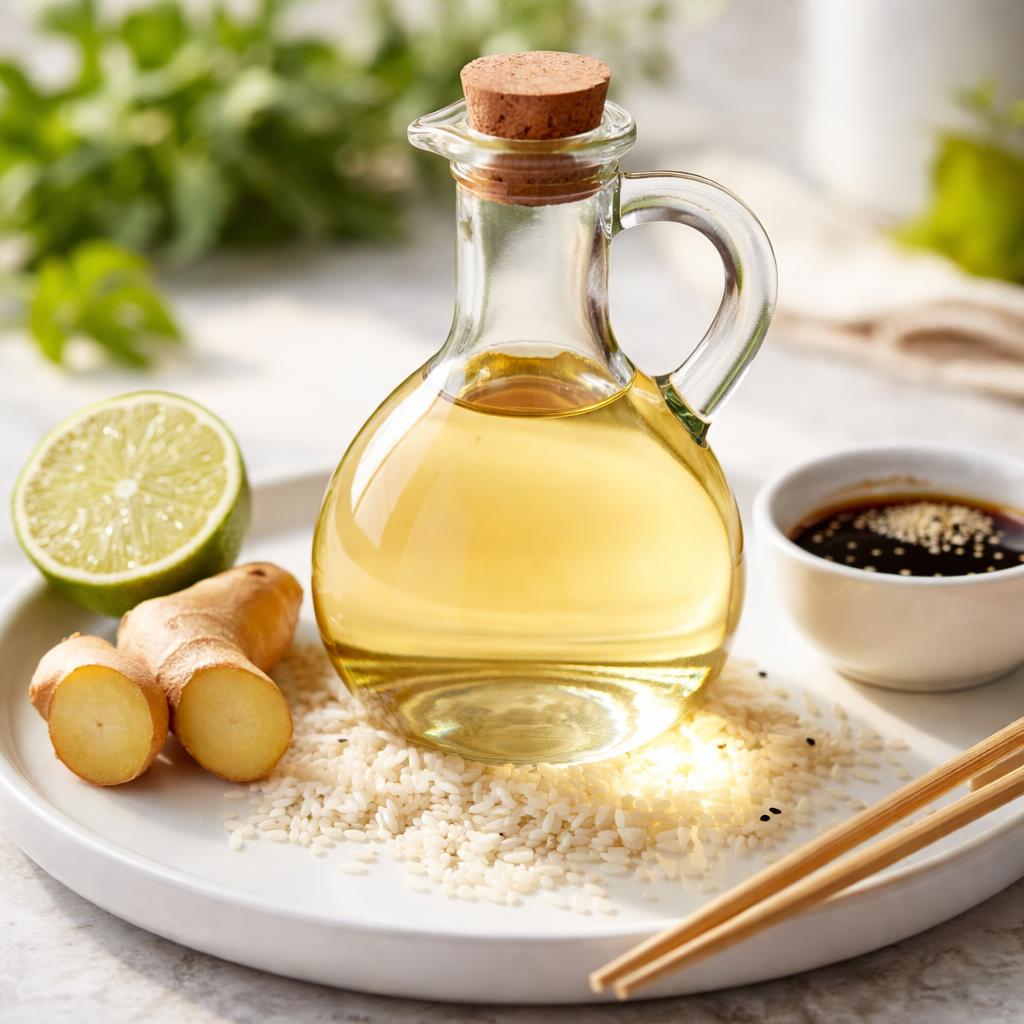
Rice Vinegar
🎯 Quick Verdict
Udon noodles and rice vinegar serve entirely different nutritional and culinary purposes. Udon noodles provide macros such as protein and fiber, making them a satisfying energy source, while rice vinegar is virtually calorie-free and enhances dishes through its acidity. Choose noodles for sustenance and vinegar for flavor enhancement without adding calories.

Smart Nutrition Tracking with SnapCalorie

📊 Nutritional Comparison
Macronutrients
| Nutrient | Food 1 | Food 2 | Winner |
|---|---|---|---|
| Calories | 210 (per 1 cup cooked) | 2 (per 1 tablespoon) | ✓ |
| Protein | 7g (per 1 cup cooked) | 0g (per 1 tablespoon) | ✓ |
| Carbs | 40g | 0g | ✓ |
| Fat | 1g | 0g | ✓ |
| Fiber | 2g | 0g | ✓ |
Vitamins & Minerals
| Nutrient | Food 1 | Food 2 | Winner |
|---|---|---|---|
| Vitamin C | 0mg | 1mg | ✓ |
| Calcium | 21mg | 0mg | ✓ |
| Iron | 0.5mg | 0mg | ✓ |
🏆 Category Winners
Protein
Udon noodles contain 7g of protein per serving, while rice vinegar has none.
Fiber
Udon noodles provide 2g of fiber, which is absent in rice vinegar.
Calories
Rice vinegar is extremely low-calorie with only 2 calories per tablespoon.
Vitamins
Rice vinegar contains a trace amount of Vitamin C, absent in udon noodles.
🥗 Diet Compatibility
Keto
Food 1: Not Compatible
Food 2: Compatible
Udon noodles are high in carbohydrates, while rice vinegar is zero-carb.
Vegan
Food 1: Compatible
Food 2: Compatible
Both are plant-based options.
Gluten Free
Food 1: Not Compatible
Food 2: Compatible
Udon noodles are made from wheat flour, while rice vinegar is naturally gluten-free.
Paleo
Food 1: Not Compatible
Food 2: Compatible
Rice vinegar qualifies as paleo-friendly, whereas udon noodles do not due to their processed wheat content.
Low Carb
Food 1: Not Compatible
Food 2: Compatible
Rice vinegar is almost carb-free, whereas udon noodles are carb-dense.
💪 Health Benefits Comparison
Food 1 Benefits
- Provides sustained energy from complex carbohydrates
- Rich in protein to support muscle repair
- Low in fat and cholesterol, making it heart-friendly
Food 2 Benefits
- Enhances digestion with acetic acid content
- Low-calorie and carb-free, ideal for weight-loss diets
- Contains antioxidants that support cellular health
✅ The Bottom Line
Udon noodles are best for those seeking a substantial energy source rich in carbs and protein, while rice vinegar is ideal for flavor enhancement without adding calories. Combine them for balanced meals where noodles offer sustenance and vinegar provides tangy flavor without compromising dietary goals.
Choose Food 1 for: Energy-dense meals, post-workout meals, vegan protein source
Choose Food 2 for: Low-calorie diets, flavor enhancement, digestive health


