Udon Noodles VS Pasta Sauce
A detailed nutritional comparison
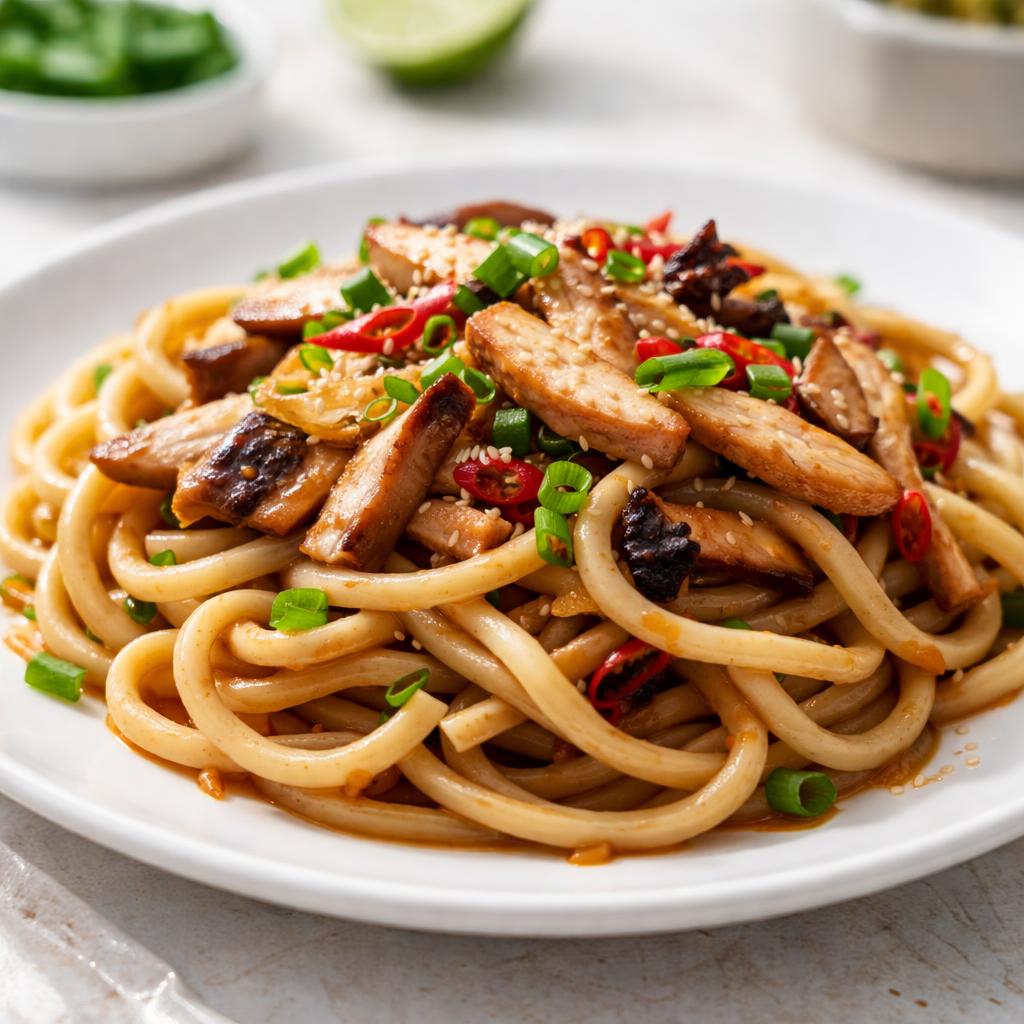
Udon Noodles
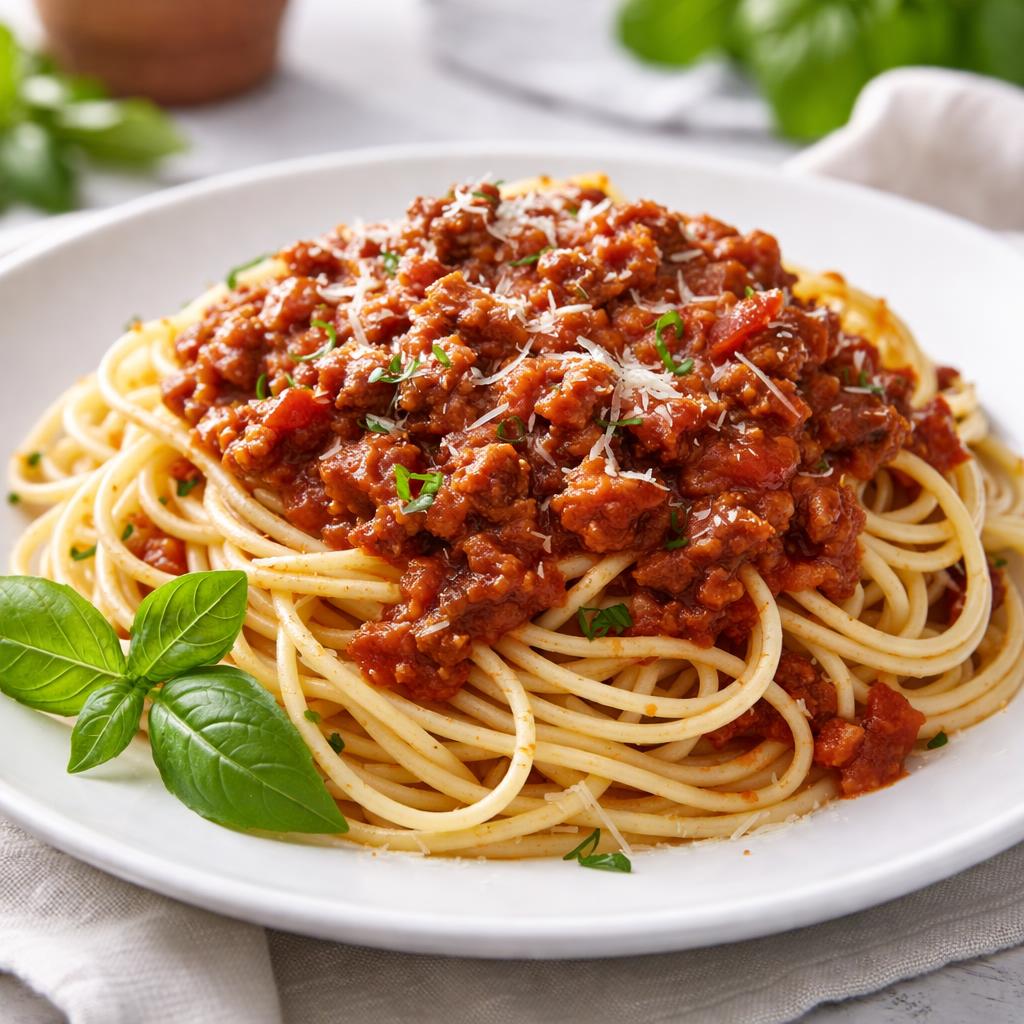
Pasta Sauce
🎯 Quick Verdict
Udon noodles and pasta sauce serve different functions in a meal. Udon noodles are higher in protein (7g per cup) but also higher in calories (190 per cup). Pasta sauce is lower in calories (70 per ½ cup) and offers more fiber (2g per ½ cup). Use udon noodles for a hearty, carbohydrate-rich base and pasta sauce for flavor and micronutrient variety, especially lycopene from tomatoes.

Smart Nutrition Tracking with SnapCalorie

📊 Nutritional Comparison
Macronutrients
| Nutrient | Food 1 | Food 2 | Winner |
|---|---|---|---|
| Calories | 190 | 70 | ✓ |
| Protein | 7g | 2g | ✓ |
| Carbs | 38g | 12g | ✓ |
| Fat | 1g | 3g | ✓ |
| Fiber | 1g | 2g | ✓ |
Vitamins & Minerals
| Nutrient | Food 1 | Food 2 | Winner |
|---|---|---|---|
| Vitamin D | 0mcg | 0mcg | − |
| Vitamin C | 0mg | 10mg | ✓ |
| Iron | 1mg | 0.5mg | ✓ |
🏆 Category Winners
Protein
Udon noodles contain 250% more protein than pasta sauce per serving.
Fiber
Pasta sauce contains double the fiber of udon noodles.
Calories
Pasta sauce has 63% fewer calories per serving.
Vitamins
The presence of Vitamin C gives pasta sauce the edge here.
🥗 Diet Compatibility
Keto
Food 1: Not Compatible
Food 2: May Be Compatible
Pasta sauce is much lower in carbs (12g per serving), while udon noodles are high-carb (38g per serving).
Vegan
Food 1: Compatible
Food 2: Compatible
Both are typically plant-based foods.
Gluten Free
Food 1: Not Compatible
Food 2: Depends on recipe
Udon noodles contain wheat, while pasta sauce may be gluten-free depending on ingredients.
Paleo
Food 1: Not Compatible
Food 2: May Be Compatible
Udon noodles are grain-based; pasta sauce might align with paleo diets if made without processed ingredients.
Low Carb
Food 1: Not Compatible
Food 2: May Be Compatible
Udon noodles are high-carb, while pasta sauce offers lower carb content per serving.
💪 Health Benefits Comparison
Food 1 Benefits
- Provides energy due to high carbohydrate content
- Contains moderate protein for muscle maintenance
- Low in fat, suited for low-fat diets
Food 2 Benefits
- High in lycopene, an antioxidant that benefits heart health
- Rich in Vitamin C for immune support
- Low-calorie option for weight management
✅ The Bottom Line
Choose udon noodles when you need a filling, carbohydrate-rich base for your meal, ideal for energy-intensive activities. Opt for pasta sauce when aiming for a lower-calorie and fiber-rich topping that adds vitamins and antioxidants to your meal.
Choose Food 1 for: High-carb diets, energy-boosting meals, Asian cuisine dishes like stir-fries or soups
Choose Food 2 for: Weight management, heart-healthy diets, pairing with lower-calorie dishes or veggie-forward meals


