Udon Noodles VS Japanese Rice
A detailed nutritional comparison
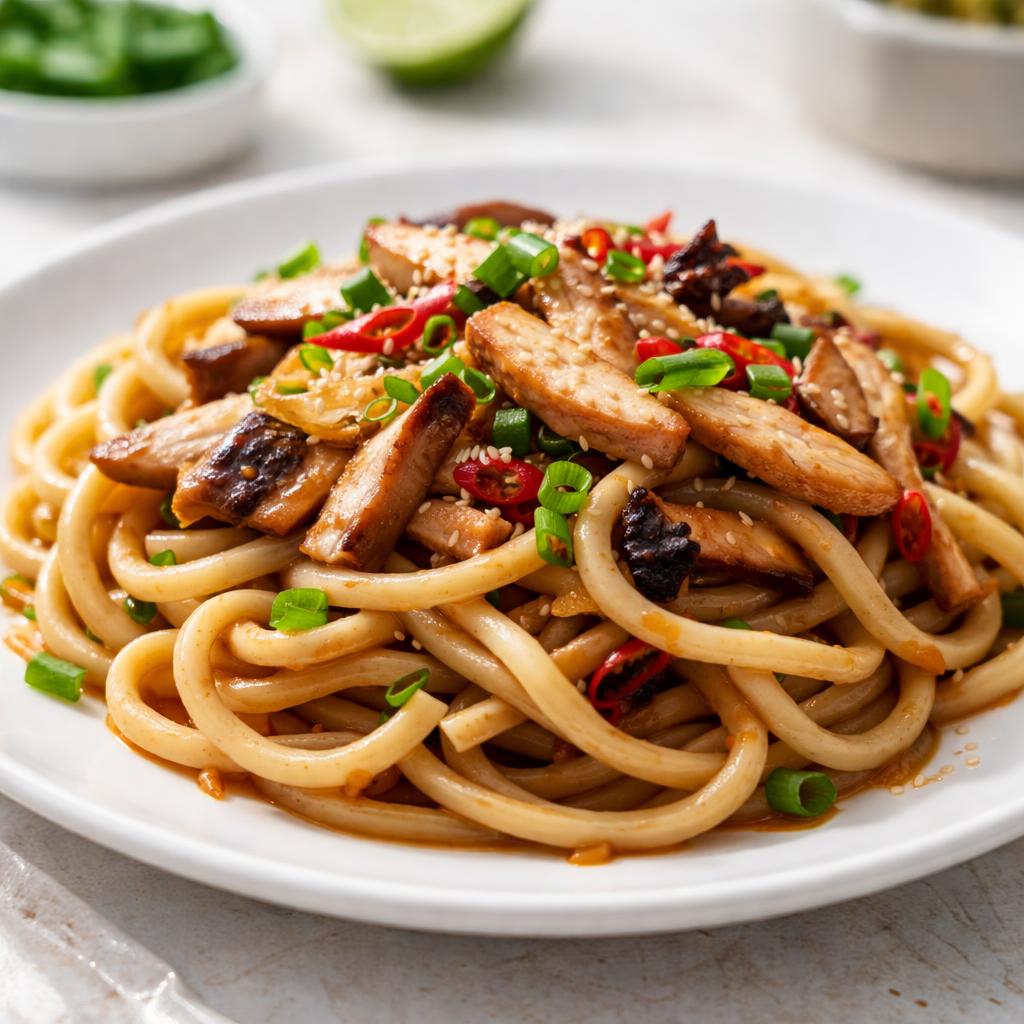
Udon Noodles
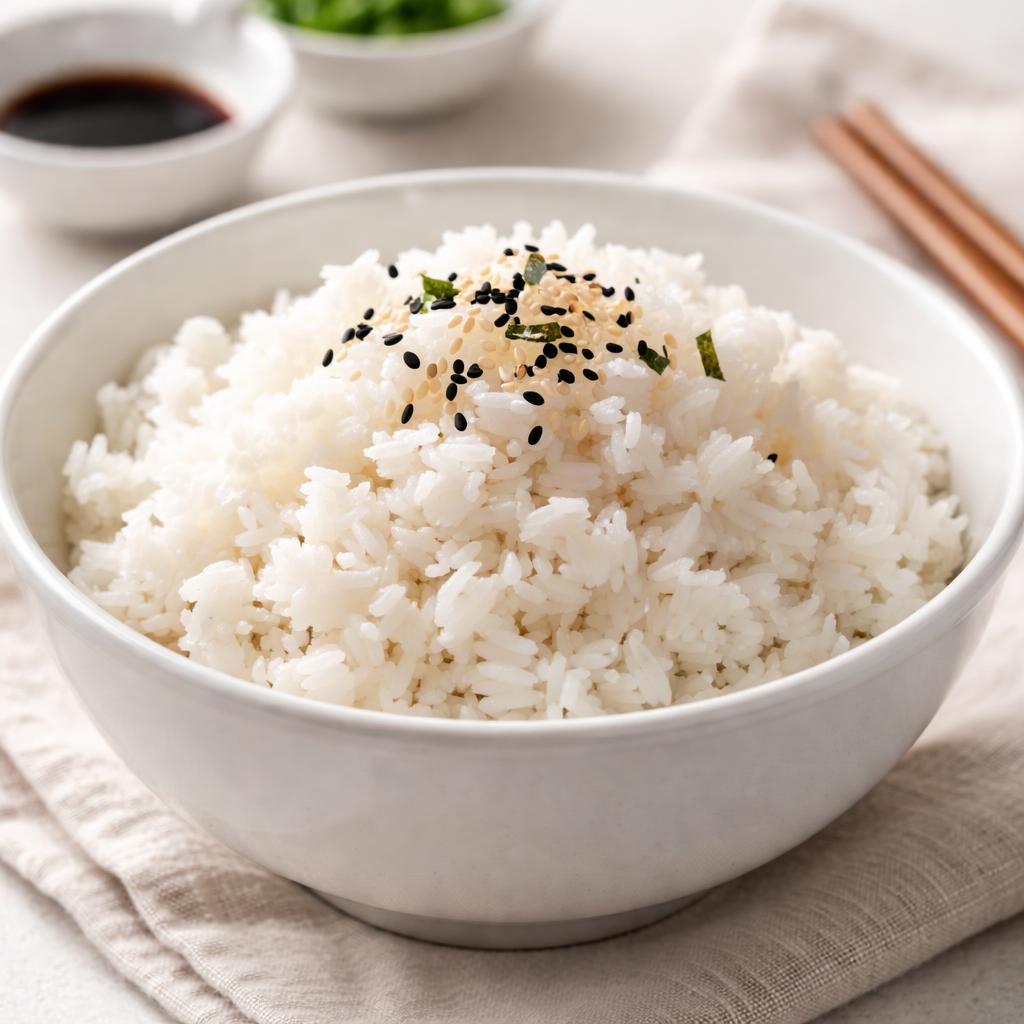
Japanese Rice
🎯 Quick Verdict
Udon noodles and Japanese rice are both popular Japanese staples, but they serve different nutritional purposes. Udon noodles provide slightly higher protein and fiber, while Japanese rice has fewer calories and is a better option for low-calorie diets. Udon is ideal for meals requiring substantial energy and satiety, while Japanese rice offers versatility for lighter dishes or pairing with protein-rich sides.

Smart Nutrition Tracking with SnapCalorie

📊 Nutritional Comparison
Macronutrients
| Nutrient | Food 1 | Food 2 | Winner |
|---|---|---|---|
| Calories | 210 | 160 | ✓ |
| Protein | 7g | 2.6g | ✓ |
| Carbs | 40g | 36g | ✓ |
| Fat | 1g | 0.2g | ✓ |
| Fiber | 3g | 0.5g | ✓ |
Vitamins & Minerals
| Nutrient | Food 1 | Food 2 | Winner |
|---|---|---|---|
| Vitamin D | 0mcg | 0mcg | − |
| Vitamin B3 (Niacin) | 1.5mg | 0.3mg | ✓ |
| Iron | 1.2mg | 0.4mg | ✓ |
| Calcium | 12mg | 3mg | ✓ |
🏆 Category Winners
Protein
Udon noodles have over double the protein compared to Japanese rice, making them a better choice for muscle maintenance.
Fiber
Udon contains 6x more fiber, aiding digestion and providing longer satiety.
Calories
Japanese rice has approximately 24% fewer calories per serving.
Vitamins
Udon noodles contain higher levels of niacin, iron, and calcium than Japanese rice.
🥗 Diet Compatibility
Keto
Food 1: Not Compatible
Food 2: Not Compatible
Both are high in carbohydrates and unsuitable for keto diets.
Vegan
Food 1: Compatible
Food 2: Compatible
Both foods are plant-based and suitable for vegan diets.
Gluten Free
Food 1: Not Compatible
Food 2: Compatible
Japanese rice is naturally gluten-free, while udon noodles often contain wheat.
Paleo
Food 1: Not Compatible
Food 2: Compatible
Japanese rice fits paleo guidelines while udon noodles do not due to wheat content.
Low-Carb
Food 1: Not Compatible
Food 2: Not Compatible
Both foods contain high levels of carbohydrates per serving.
💪 Health Benefits Comparison
Food 1 Benefits
- Higher protein content supports muscle repair and growth
- Rich in fiber for better digestion and sustained energy
- Provides niacin and iron for brain function and oxygen transport
Food 2 Benefits
- Lower calorie option for weight management
- Naturally gluten-free and suitable for sensitive diets
- Easily digestible and ideal for light meals or side dishes
✅ The Bottom Line
Both foods offer distinct advantages depending on dietary goals. Choose udon noodles for more protein, fiber, and a filling meal, while Japanese rice is better for lower-calorie meals and gluten-free diets.
Choose Food 1 for: High-protein meals, digestion support, energy for physical activity
Choose Food 2 for: Low-calorie diets, versatile side dishes, gluten-free and paleo-friendly options


