Udon Noodles VS Chinese Noodles
A detailed nutritional comparison
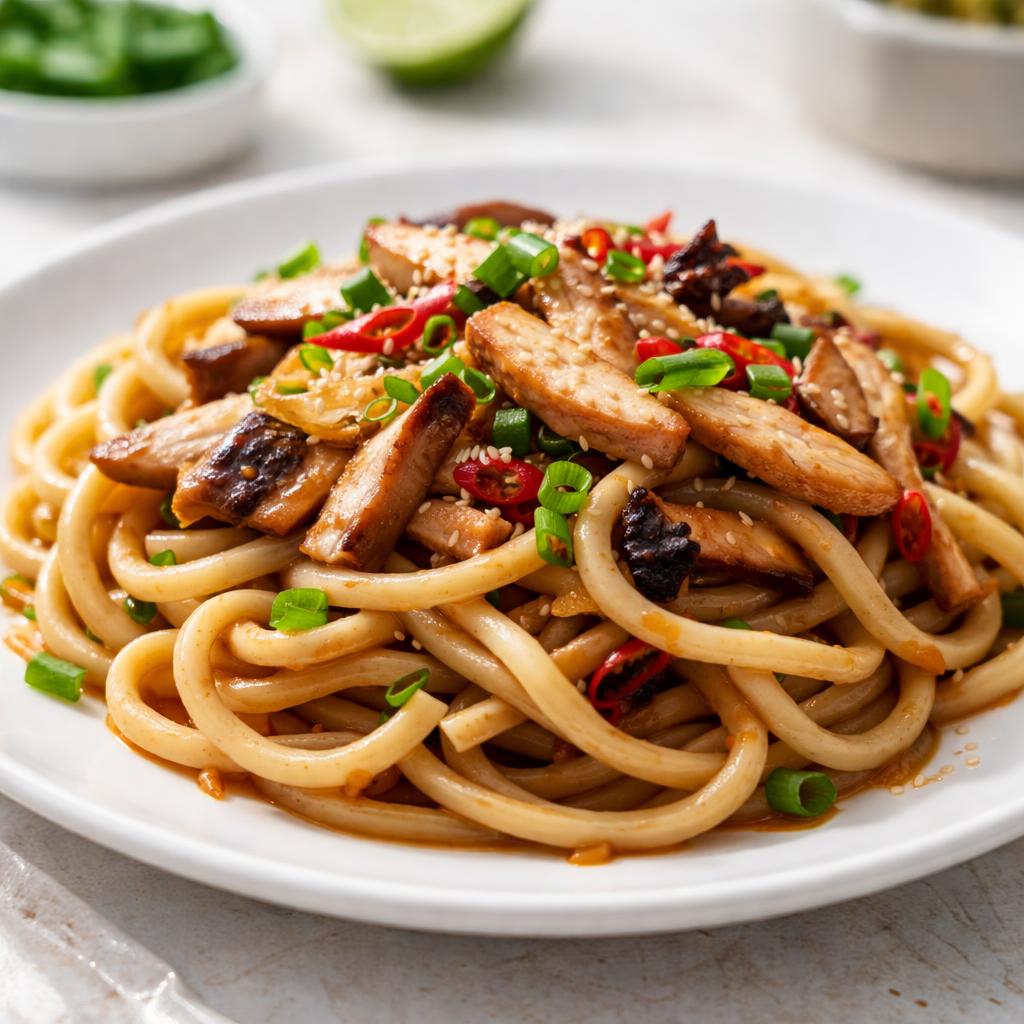
Udon Noodles
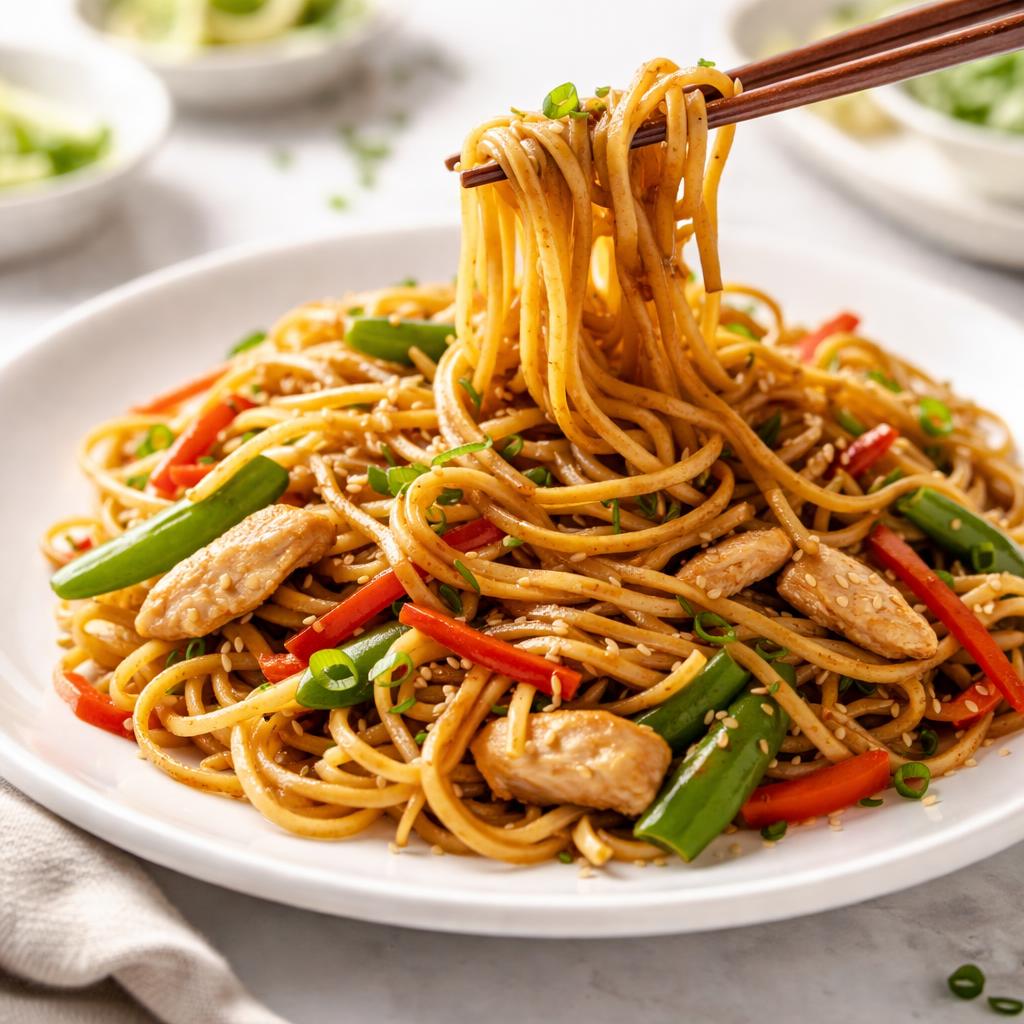
Chinese Noodles
🎯 Quick Verdict
Chinese noodles are typically lower in refined carbs and provide more dietary fiber when compared to udon noodles. Udon noodles, on the other hand, have fewer overall calories and are better suited for weight-focused diets. Both are similarly matched for protein content but vary in vitamin and mineral densities depending on preparation style.

Smart Nutrition Tracking with SnapCalorie

📊 Nutritional Comparison
Macronutrients
| Nutrient | Food 1 | Food 2 | Winner |
|---|---|---|---|
| Calories | 210 | 190 | ✓ |
| Protein | 7g | 7g | − |
| Carbs | 40g | 33g | ✓ |
| Fat | 1g | 2g | ✓ |
| Fiber | 1g | 2.5g | ✓ |
Vitamins & Minerals
| Nutrient | Food 1 | Food 2 | Winner |
|---|---|---|---|
| Vitamin B6 | 0.01mg | 0.05mg | ✓ |
| Niacin (B3) | 0.5mg | 1mg | ✓ |
| Iron | 1mg | 2.2mg | ✓ |
🏆 Category Winners
Protein
Both contain equal protein content per serving (7g).
Fiber
Chinese noodles provide 150% more fiber than udon noodles.
Calories
Udon noodles are approximately 10% lower in calories.
Vitamins
Chinese noodles offer higher levels of B vitamins and iron.
🥗 Diet Compatibility
Keto
Food 1: Not Compatible
Food 2: Not Compatible
Both are high in carbs.
Vegan
Food 1: Compatible
Food 2: Compatible
Both are typically plant-based unless egg noodles are used for food2.
Gluten Free
Food 1: Not Compatible
Food 2: Not Compatible
Both contain wheat unless gluten-free varieties are chosen.
Paleo
Food 1: Not Compatible
Food 2: Not Compatible
Both are processed and made from grains.
Low Carb
Food 1: Not Compatible
Food 2: Not Compatible
Both contain significant amounts of carbohydrates.
💪 Health Benefits Comparison
Food 1 Benefits
- Lower calorie option for weight management
- Provides quick energy due to high carb content
- Ideal for Asian-inspired dishes with lighter sauces
Food 2 Benefits
- Higher fiber content aids digestion and gut health
- Better source of iron for oxygen transport in the body
- Offers more B vitamins for energy metabolism
✅ The Bottom Line
Choose udon noodles for a lower-calorie, quick-energy option that pairs well with lighter sauces or broth-based dishes. Opt for Chinese noodles if you're seeking higher fiber and nutrient density, especially iron and B vitamins. Each has its place in different diets based on specific needs.
Choose Food 1 for: Low-calorie dishes, lighter meals, weight-conscious diets
Choose Food 2 for: Gut health, iron-replenishment, nutrient-dense meals


