Udon Noodles VS Cheesy Bread
A detailed nutritional comparison
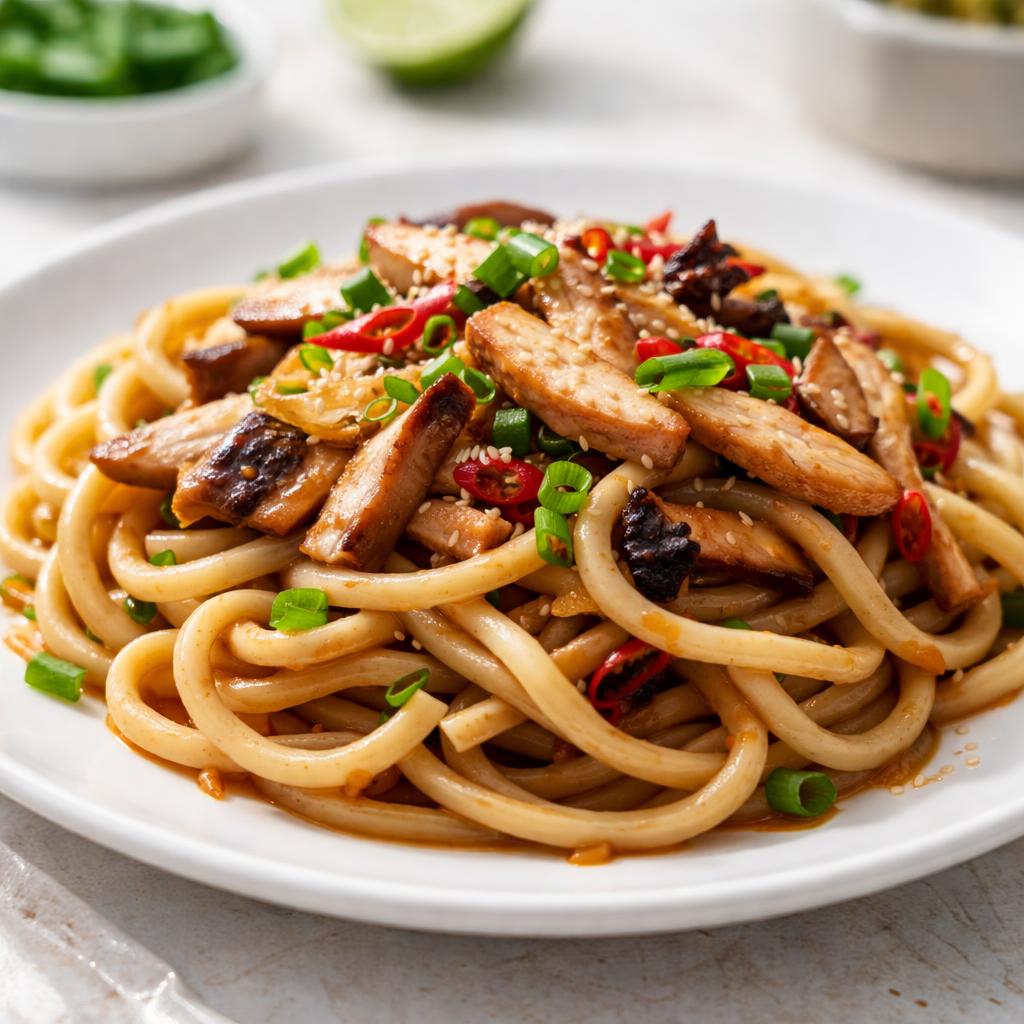
Udon Noodles
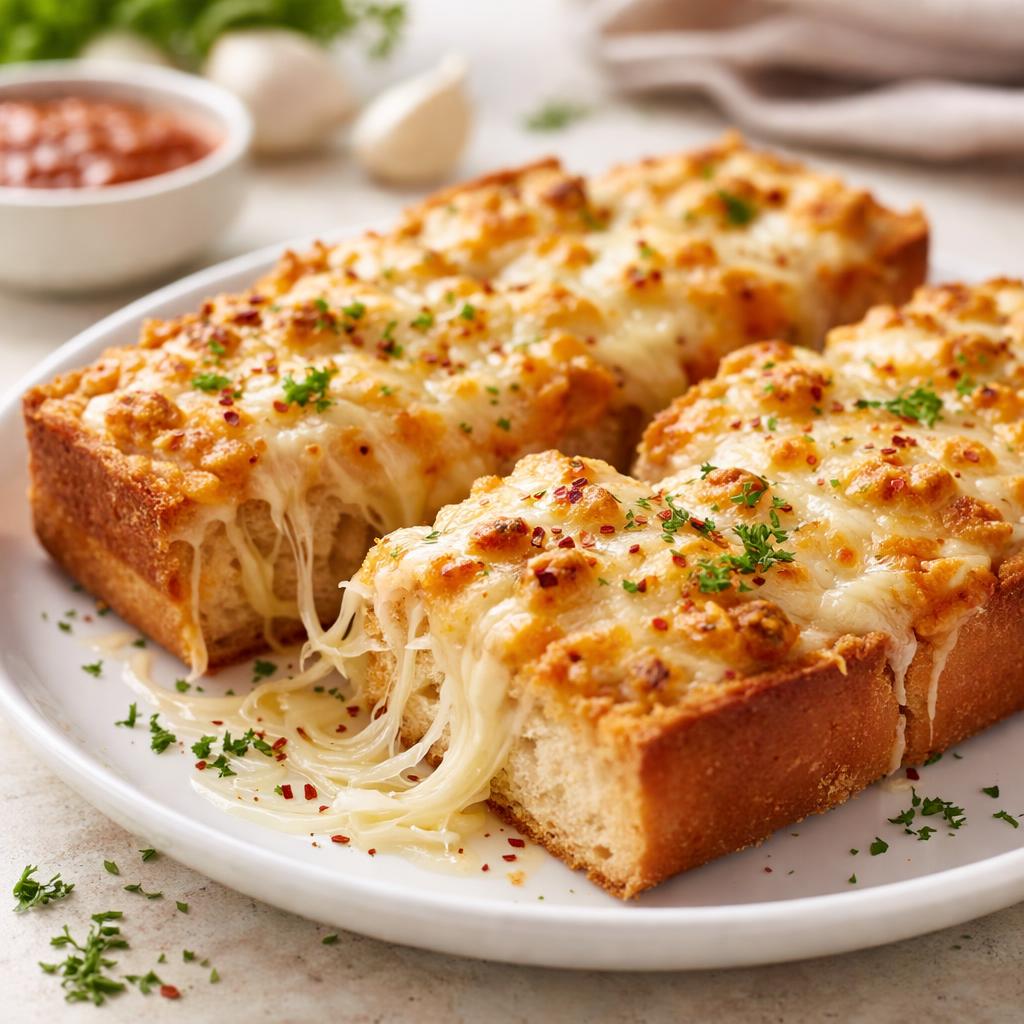
Cheesy Bread
🎯 Quick Verdict
Udon noodles are lower in calories and carbohydrates compared to cheesy bread, making them a lighter option. Cheesy bread, on the other hand, offers more protein and fiber due to its blend of cheese and whole grain flour. Udon noodles are better suited for weight management, while cheesy bread provides sustained energy with increased nutrients but higher calorie density.

Smart Nutrition Tracking with SnapCalorie

📊 Nutritional Comparison
Macronutrients
| Nutrient | Food 1 | Food 2 | Winner |
|---|---|---|---|
| Calories | 200 | 290 | ✓ |
| Protein | 6g | 10g | ✓ |
| Carbs | 40g | 34g | ✓ |
| Fat | 0.5g | 8g | ✓ |
| Fiber | 1g | 3g | ✓ |
Vitamins & Minerals
| Nutrient | Food 1 | Food 2 | Winner |
|---|---|---|---|
| Vitamin D | 0mcg | 0.5mcg | ✓ |
| Calcium | 10mg | 300mg | ✓ |
| Iron | 1mg | 2mg | ✓ |
🏆 Category Winners
Protein
Cheesy bread contains 67% more protein due to the cheese content.
Fiber
Cheesy bread contains three times the amount of fiber compared to udon noodles.
Calories
Udon noodles are 31% lower in calories per serving.
Vitamins
Cheesy bread delivers higher amounts of calcium, iron, and Vitamin D.
🥗 Diet Compatibility
Keto
Food 1: Not Compatible
Food 2: Not Compatible
Both are high in carbs and do not fit a keto diet.
Vegan
Food 1: Compatible
Food 2: Not Compatible
Udon noodles are vegan, but cheesy bread contains cheese.
Gluten Free
Food 1: Not Compatible
Food 2: Not Compatible
Both contain gluten (wheat-based ingredients).
Paleo
Food 1: Not Compatible
Food 2: Not Compatible
Neither fits paleo guidelines due to processed grains and dairy.
Low-Carb
Food 1: Not Compatible
Food 2: Not Compatible
Both have carb content exceeding low-carb dietary allowances.
💪 Health Benefits Comparison
Food 1 Benefits
- Low in fat, ideal for weight management
- Provides quick energy from complex carbohydrates
- Can be enriched with vegetables and lean protein for a balanced meal
Food 2 Benefits
- Rich in calcium for bone health
- Good source of protein for muscle repair
- Offers fiber for improved digestion
- Contains healthy fats from cheese for heart and energy support
✅ The Bottom Line
Udon noodles are an excellent choice for those seeking a low-calorie base for meals, especially in weight management diets or as part of a lighter Asian-inspired dish. Cheesy bread, with its higher protein and micronutrient content, is better suited for those seeking energy density and satiety. Both foods can be incorporated into a balanced diet with mindful additions.
Choose Food 1 for: Weight management, low-fat diets, light meals
Choose Food 2 for: Sustained energy, nutrient-rich diets, muscle support


