Udon Noodles VS Bowtie Pasta
A detailed nutritional comparison
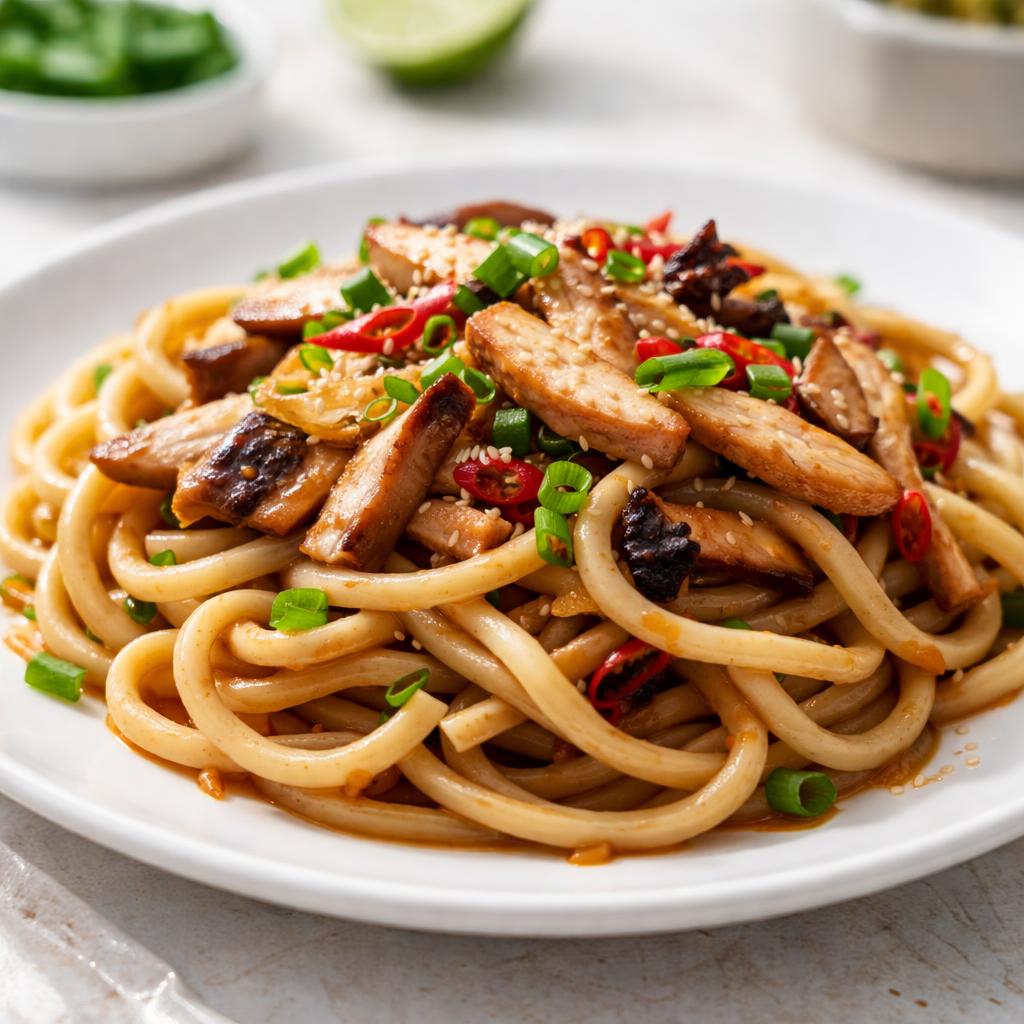
Udon Noodles
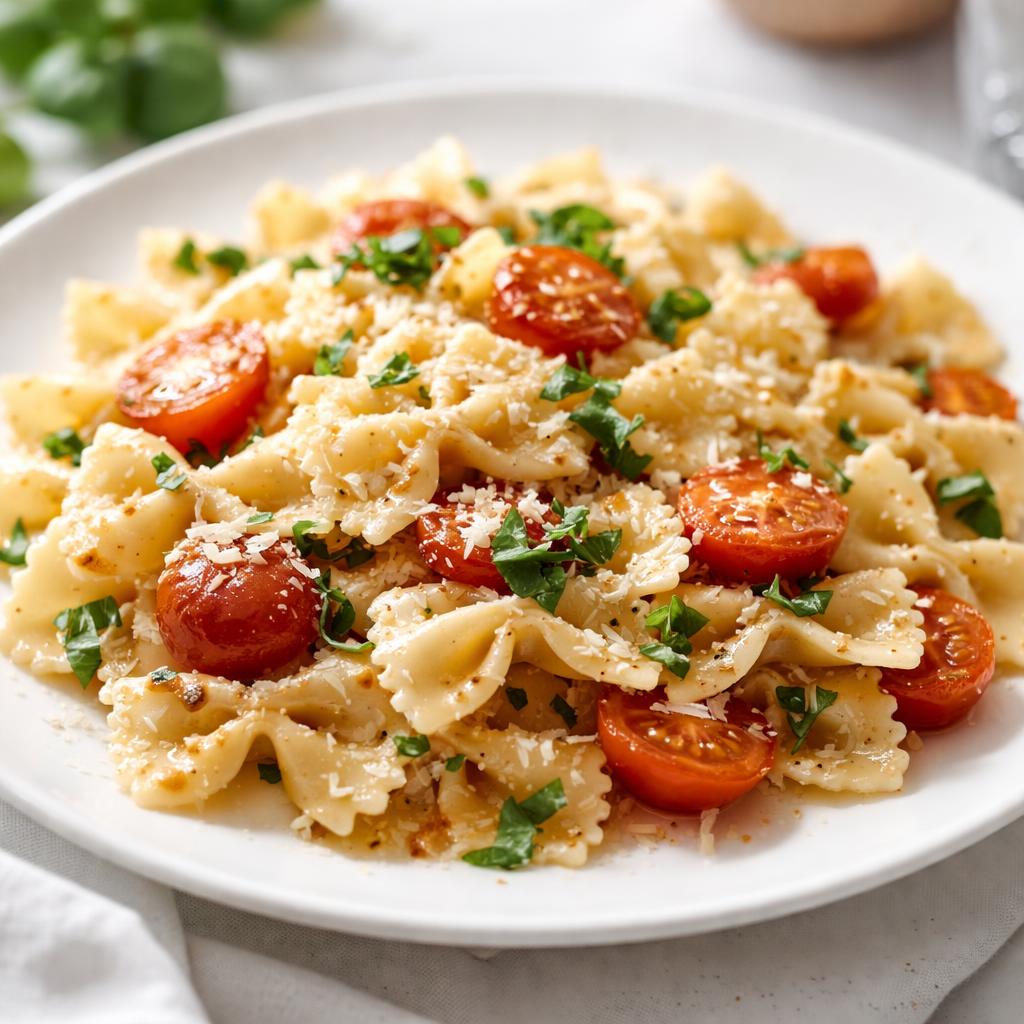
Bowtie Pasta
🎯 Quick Verdict
Udon noodles and bowtie pasta differ primarily in their macronutrient composition. Udon noodles are lower in calories and fat, making them ideal for lighter meals, while bowtie pasta offers slightly more protein and fiber, which may be better for sustained energy and satiety. Both are versatile options for a variety of dishes, with udon noodles leaning toward Asian-inspired recipes and bowtie pasta fitting better in Mediterranean-style meals.

Smart Nutrition Tracking with SnapCalorie

📊 Nutritional Comparison
Macronutrients
| Nutrient | Food 1 | Food 2 | Winner |
|---|---|---|---|
| Calories | 210 | 300 | ✓ |
| Protein | 6g | 7.5g | ✓ |
| Carbs | 42g | 58g | ✓ |
| Fat | 1g | 1.5g | ✓ |
| Fiber | 1g | 2g | ✓ |
Vitamins & Minerals
| Nutrient | Food 1 | Food 2 | Winner |
|---|---|---|---|
| Vitamin B1 (Thiamine) | 0.2mg | 0.6mg | ✓ |
| Iron | 1.2mg | 1.8mg | ✓ |
| Potassium | 60mg | 77mg | ✓ |
🏆 Category Winners
Protein
Bowtie pasta provides 25% more protein compared to udon noodles.
Fiber
Bowtie pasta contains double the fiber per serving than udon noodles.
Calories
Udon noodles have 30% fewer calories than bowtie pasta.
🥗 Diet Compatibility
Keto
Food 1: Not Compatible
Food 2: Not Compatible
Both are high-carb preparations and not suitable for keto diets.
Vegan
Food 1: Compatible
Food 2: Compatible
Both foods are plant-based and do not contain animal products.
Gluten Free
Food 1: Not Compatible
Food 2: Not Compatible
Neither are gluten-free as both are made with wheat flour.
Paleo
Food 1: Not Compatible
Food 2: Not Compatible
Both are processed grain products not suitable for paleo diets.
Low-Carb
Food 1: Not Compatible
Food 2: Not Compatible
Both are relatively high in carbohydrates, making them unsuitable for low-carb diets.
💪 Health Benefits Comparison
Food 1 Benefits
- Lower in calories, ideal for weight management
- Traditional source of clean carbohydrates for energy
- Works well in lighter, broth-based meals suitable for digestion
Food 2 Benefits
- Higher protein content supports muscle maintenance
- Contains more fiber for satiety and digestive health
- Rich in B vitamins and minerals like iron and potassium, beneficial for energy and blood health
✅ The Bottom Line
Choose udon noodles if you're looking for a lighter, low-calorie base for soups or stir-fries. Opt for bowtie pasta when you need a more nutrient-dense option with slightly more protein and fiber to keep you fuller longer.
Choose Food 1 for: Light meals, soups, Asian cuisine, weight management
Choose Food 2 for: Sustained energy, heartier meals, Mediterranean dishes, post-workout recovery


