Udon Noodles VS Beef Rice Bowl
A detailed nutritional comparison
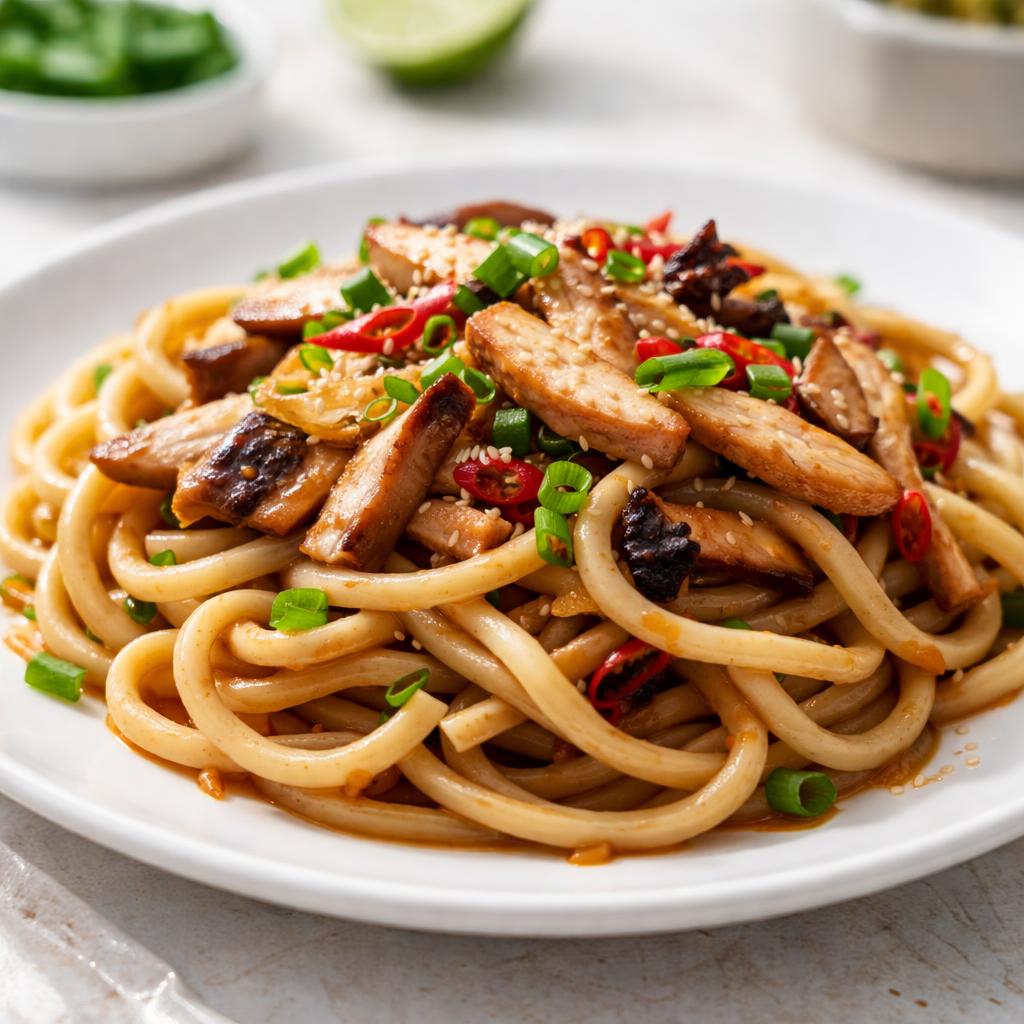
Udon Noodles
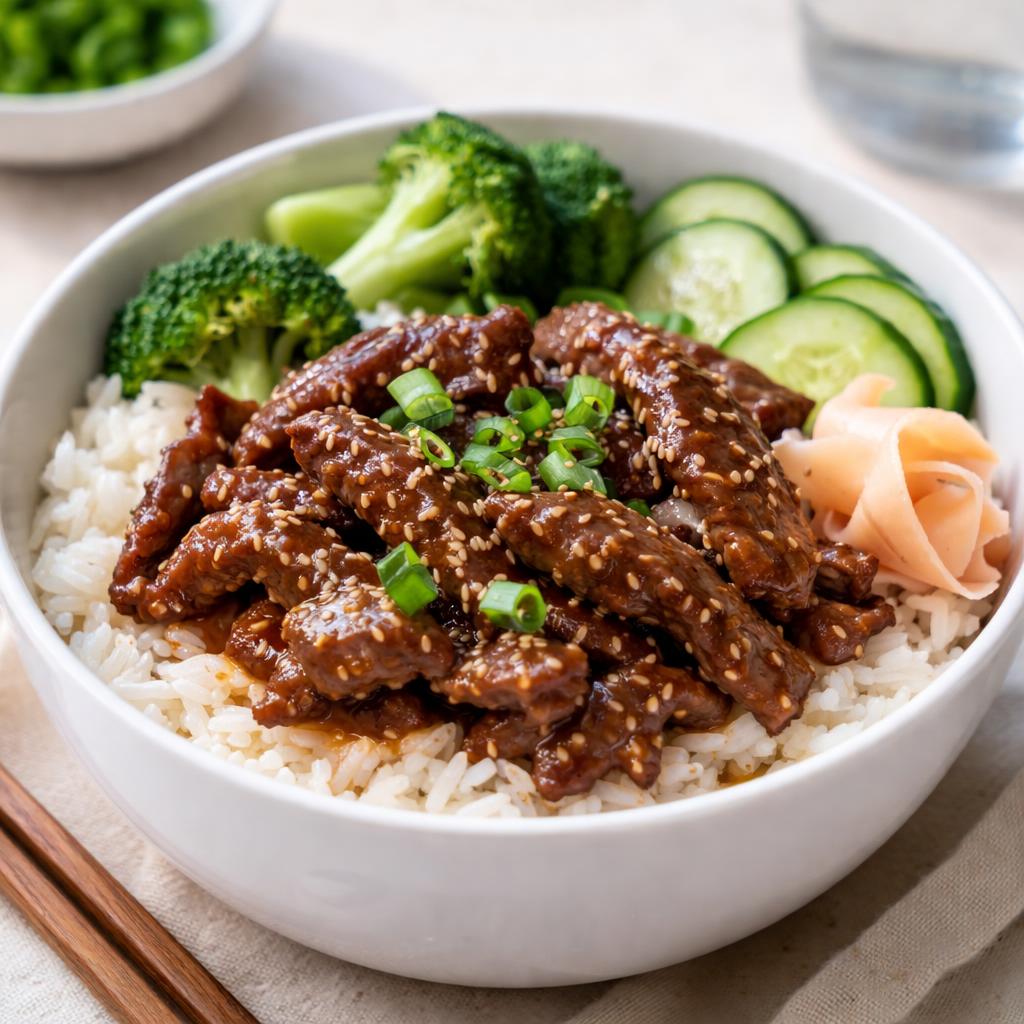
Beef Rice Bowl
🎯 Quick Verdict
The beef rice bowl is notably higher in protein and fiber, making it a better choice for muscle building and sustained energy. Udon noodles are lower in calories and fat, and offer a light, carb-focused option ideal for quick meals or pre-workout snacks. Both have distinct benefits depending on dietary priorities.

Smart Nutrition Tracking with SnapCalorie

📊 Nutritional Comparison
Macronutrients
| Nutrient | Food 1 | Food 2 | Winner |
|---|---|---|---|
| Calories | 220 (1 cup cooked) | 350 (1 serving) | ✓ |
| Protein | 7g | 18g | ✓ |
| Carbs | 44g | 45g | − |
| Fat | 1g | 12g | ✓ |
| Fiber | 1g | 3g | ✓ |
Vitamins & Minerals
| Nutrient | Food 1 | Food 2 | Winner |
|---|---|---|---|
| Vitamin D | 0mcg | 1mcg | ✓ |
| Calcium | 15mg | 25mg | ✓ |
| Iron | 1mg | 3mg | ✓ |
🏆 Category Winners
Protein
Food2 (beef rice bowl) contains over double the protein per serving compared to food1.
Fiber
Food2 has 3g of fiber, triple the amount found in food1.
Calories
Food1 has 130 fewer calories per serving compared to food2.
🥗 Diet Compatibility
Keto
Food 1: Not Compatible
Food 2: Not Compatible
Both foods are high-carb and unsuitable for keto diets.
Vegan
Food 1: Compatible
Food 2: Not Compatible
Food1 is plant-based, while food2 contains beef.
Gluten Free
Food 1: Not Compatible
Food 2: Compatible
Food1 contains wheat, but food2 can be made gluten-free if using gluten-free soy sauce.
Paleo
Food 1: Not Compatible
Food 2: Compatible
Food1 relies on processed grains, while food2 meets paleo guidelines if made without rice.
Low-Carb
Food 1: Not Compatible
Food 2: Not Compatible
Both are high in carbohydrates; neither fits a low-carb diet.
💪 Health Benefits Comparison
Food 1 Benefits
- Low-calorie option for weight management
- Good source of quick-digesting carbohydrates for energy
- Low in fat, making it light on digestion
Food 2 Benefits
- High in protein for muscle repair and growth
- Rich in iron, supporting oxygen transport and energy production
- Contains fiber for improved digestion and sustained fullness
✅ The Bottom Line
Choose udon noodles for a light, low-calorie option suited for energy before workouts or quick meals, especially for vegans. Opt for the beef rice bowl to prioritize protein, fiber, and nutrient density, making it ideal for post-workout recovery, muscle growth, or hearty meals.
Choose Food 1 for: Pre-workout energy, low-calorie diets, vegan meals
Choose Food 2 for: Muscle building, nutrient-dense meals, sustained energy


