Tomato VS Zucchini
A detailed nutritional comparison
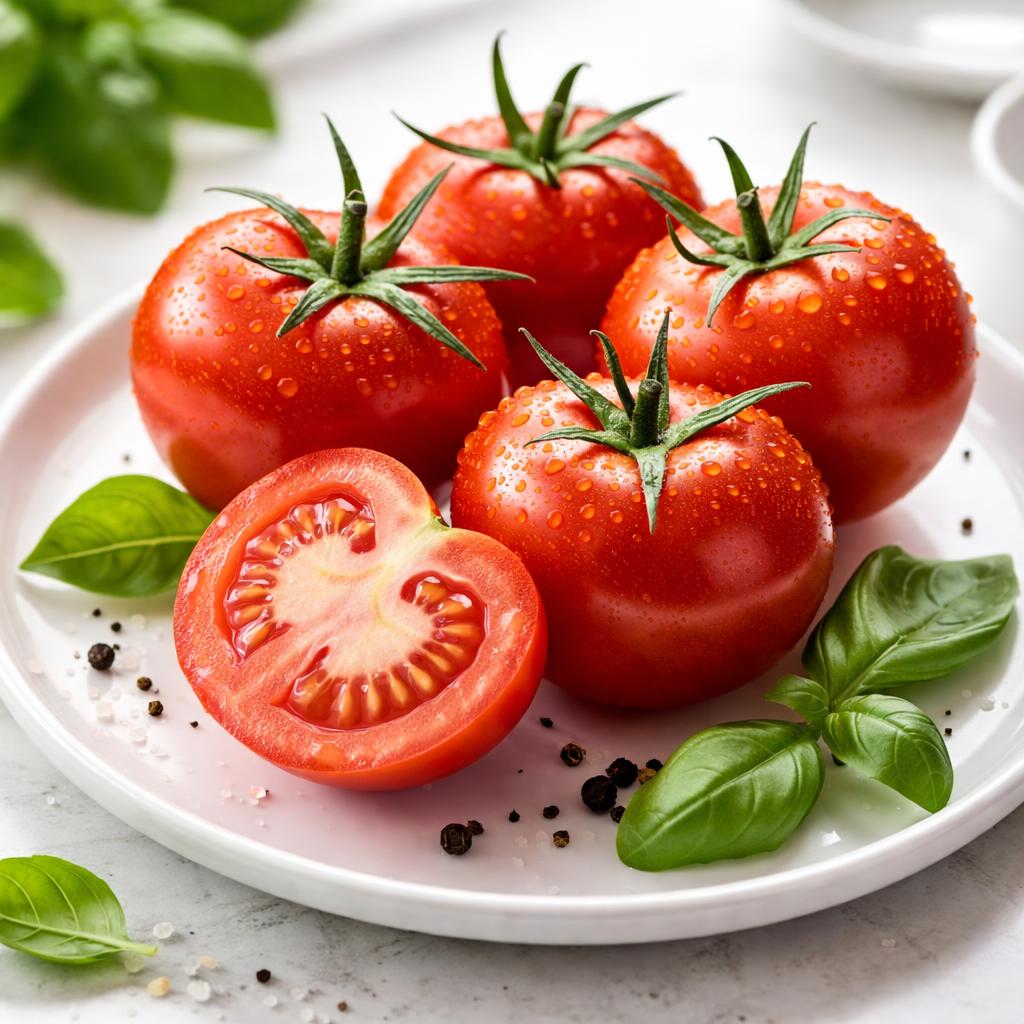
Tomato
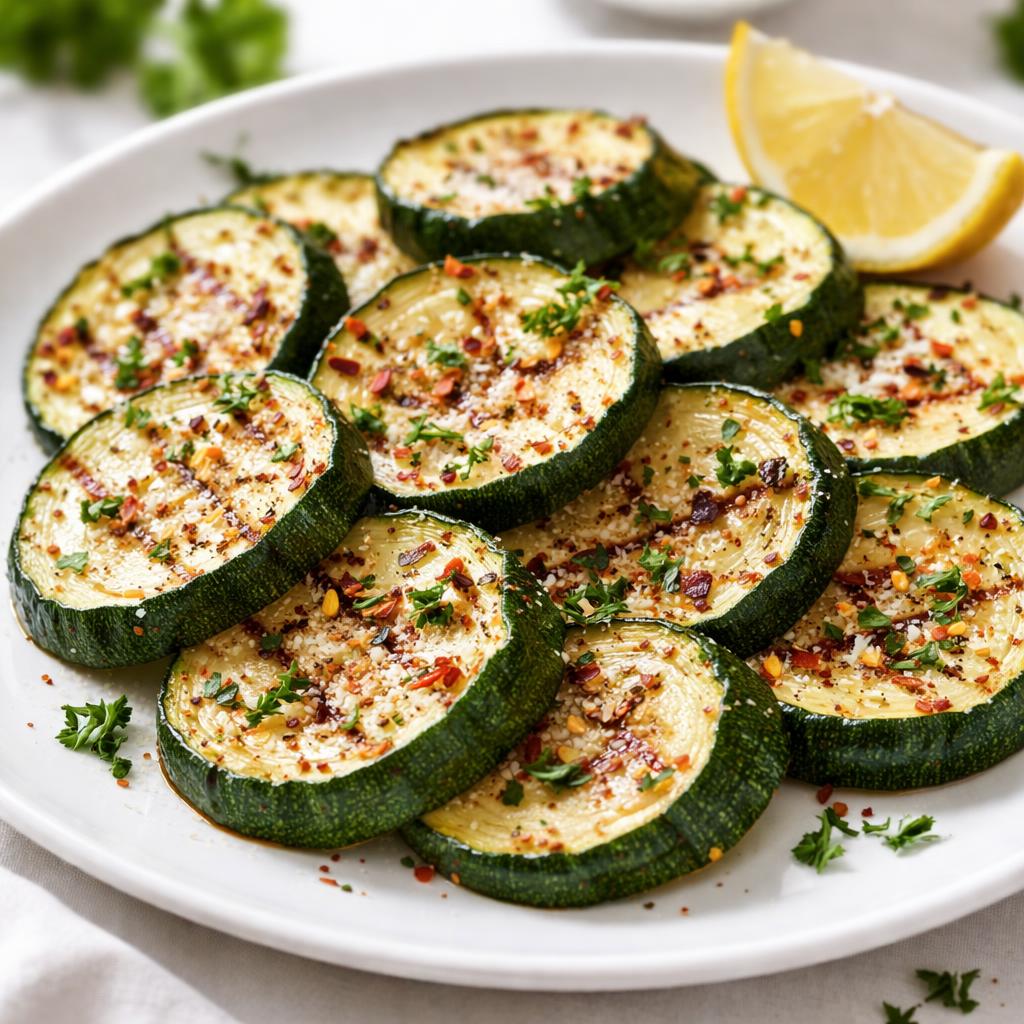
Zucchini
🎯 Quick Verdict
Tomatoes and zucchinis are nutrient-dense and versatile vegetables. Tomatoes provide more fiber, vitamin C, and iron, making them ideal for boosting immunity and digestion. Zucchinis are lower in calories and carbs, rich in vitamin A, and better suited for light, calorie-conscious meals or low-carb diets.

Smart Nutrition Tracking with SnapCalorie

📊 Nutritional Comparison
Macronutrients
| Nutrient | Food 1 | Food 2 | Winner |
|---|---|---|---|
| Calories | 18 | 16 | ✓ |
| Protein | 0.9g | 0.8g | − |
| Carbs | 3.9g | 3.3g | ✓ |
| Fat | 0.2g | 0.1g | ✓ |
| Fiber | 1.2g | 1g | ✓ |
Vitamins & Minerals
| Nutrient | Food 1 | Food 2 | Winner |
|---|---|---|---|
| Vitamin C | 13.7mg | 17.9mg | ✓ |
| Vitamin A | 833 IU | 384 IU | ✓ |
| Potassium | 237mg | 295mg | ✓ |
🏆 Category Winners
Protein
Both foods contain nearly the same amount of protein at under 1g per serving.
Fiber
Tomatoes have slightly more fiber at 1.2g compared to zucchini's 1g.
Calories
Zucchini is slightly lower in calories, making it a better fit for strict calorie-focused diets.
Vitamins
Tomatoes offer more vitamin A and vitamin C, making them a vitamin powerhouse.
🥗 Diet Compatibility
Keto
Food 1: Compatible
Food 2: Compatible
Both foods are low-carb and fit within keto guidelines.
Vegan
Food 1: Compatible
Food 2: Compatible
As plant-based foods, both fit vegan diets.
Gluten Free
Food 1: Compatible
Food 2: Compatible
Neither contains gluten.
Paleo
Food 1: Compatible
Food 2: Compatible
Both foods are paleo-friendly.
Low-Carb
Food 1: Compatible
Food 2: Compatible
Both are low in carbs, with zucchini being slightly lower at 3.3g per serving.
💪 Health Benefits Comparison
Food 1 Benefits
- Good source of vitamin C for immune support
- Rich in antioxidants to combat inflammation
- Low in calories while providing fiber for digestion
- Contains lycopene which may support heart health
Food 2 Benefits
- Very low calorie, ideal for weight-loss diets
- Rich in potassium for electrolyte balance and muscle function
- Contains lutein and zeaxanthin, which support eye health
- Hydrating and versatile for low-carb meals
✅ The Bottom Line
Tomatoes are the winner for boosting immunity and digestion due to their higher fiber and vitamin density. Zucchinis are better suited for low-calorie or low-carb diets, offering slightly fewer calories and carbs. Choose tomatoes for nutrient density and flavors, and zucchini for light meals or keto cooking.
Choose Food 1 for: Digestion, immunity, flavor variety, heart health
Choose Food 2 for: Weight loss, low-carb diets, hydration, electrolyte balance


