Tomato VS White Sauce
A detailed nutritional comparison
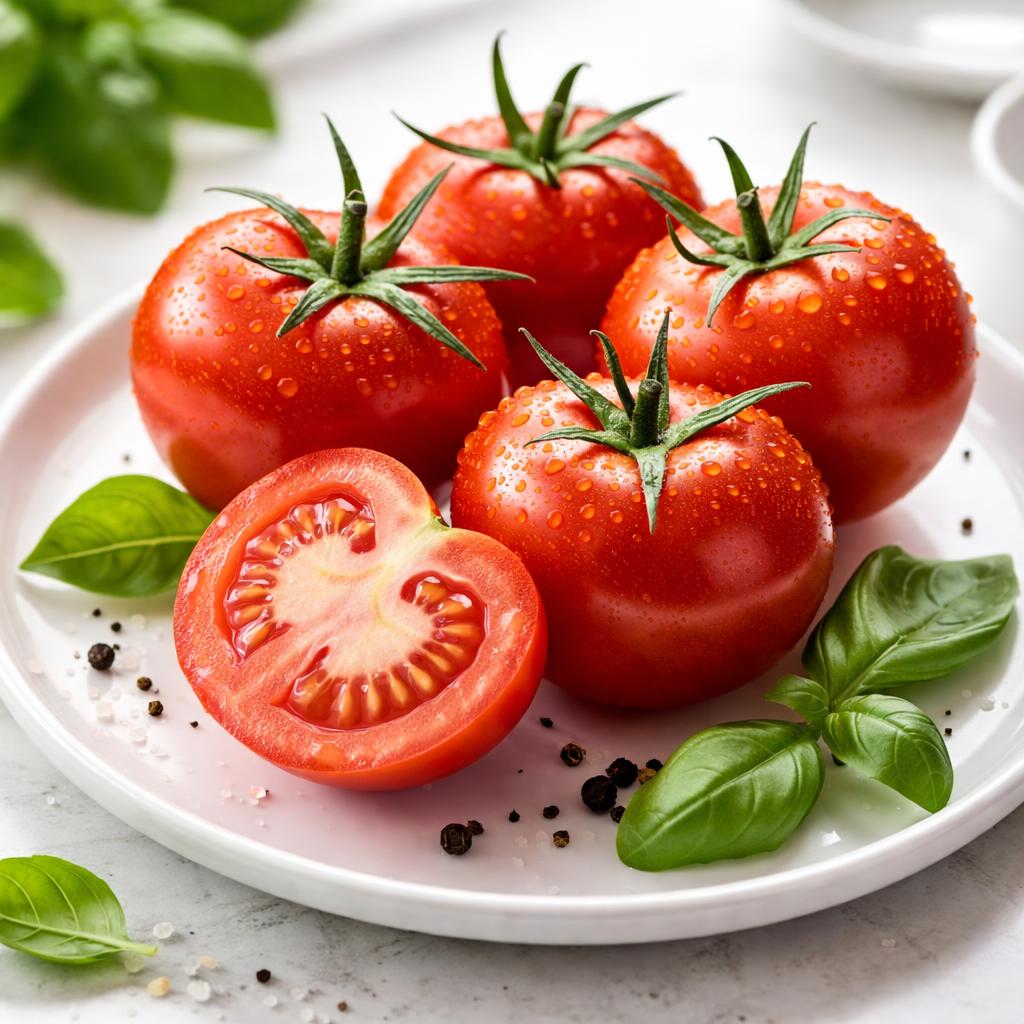
Tomato
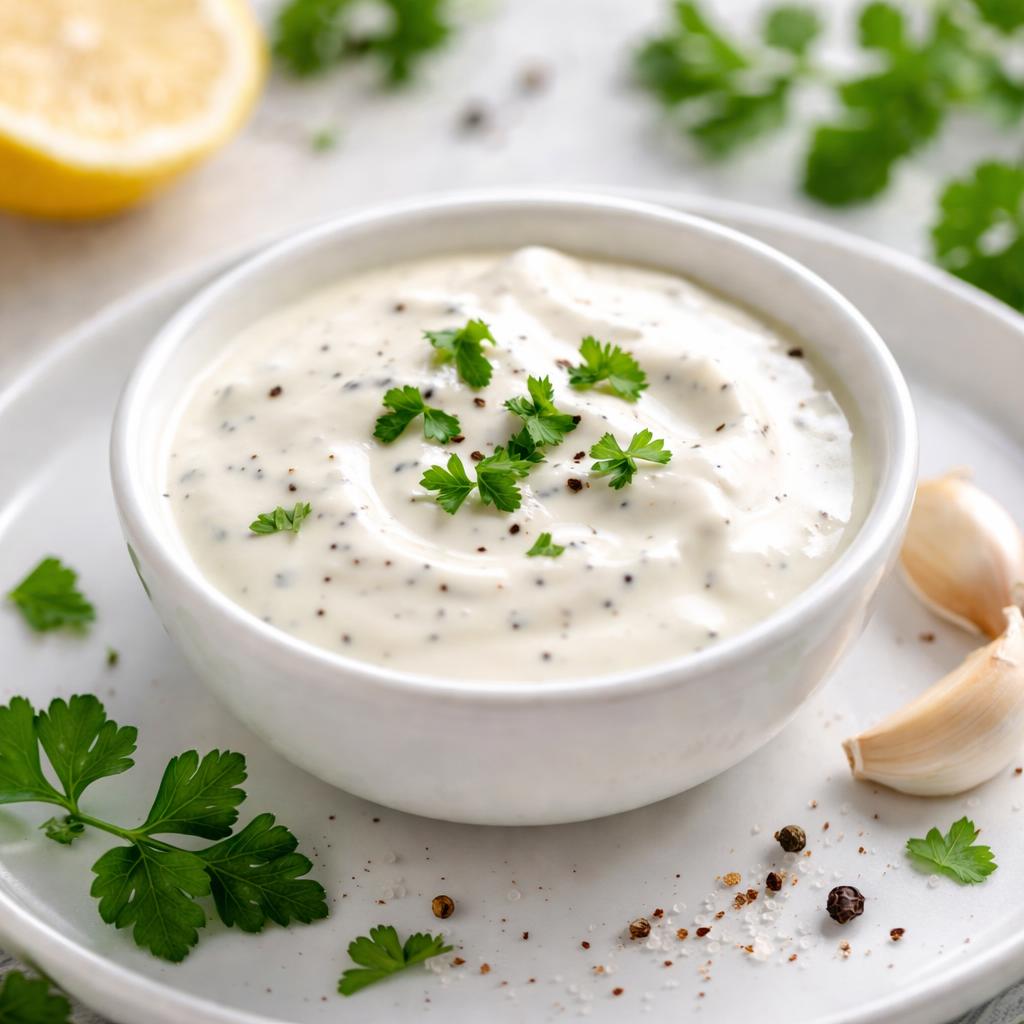
White Sauce
🎯 Quick Verdict
Tomatoes and white sauce differ significantly in their nutritional profiles. Tomatoes are low in calories, high in fiber, and packed with vitamins, making them a nutrient-dense choice. White sauce, on the other hand, is calorie-dense with some protein but contains more fat and fewer micronutrients, best suited for indulgent recipes or energy-rich meals.

Smart Nutrition Tracking with SnapCalorie

📊 Nutritional Comparison
Macronutrients
| Nutrient | Food 1 | Food 2 | Winner |
|---|---|---|---|
| Calories | 18 per 100g | 165 per 100g | ✓ |
| Protein | 0.9g per 100g | 3g per 100g | ✓ |
| Carbs | 3.9g per 100g | 4.1g per 100g | − |
| Fat | 0.2g per 100g | 14g per 100g | ✓ |
| Fiber | 1.2g per 100g | 0g per 100g | ✓ |
Vitamins & Minerals
| Nutrient | Food 1 | Food 2 | Winner |
|---|---|---|---|
| Vitamin C | 13.7mg per 100g | 0mg per 100g | ✓ |
| Vitamin A | 833 IU per 100g | 50 IU per 100g | ✓ |
| Calcium | 10mg per 100g | 90mg per 100g | ✓ |
| Iron | 0.3mg per 100g | 0.1mg per 100g | ✓ |
🏆 Category Winners
Protein
White sauce contains approximately 3x more protein than tomatoes per serving size.
Fiber
Tomatoes contain 1.2g of fiber per 100g, compared to no fiber in white sauce.
Calories
Tomatoes are significantly lower in calories, with only 18 per 100g vs 165 per 100g in white sauce.
Vitamins
Tomatoes are a powerhouse of vitamins like C and A, while white sauce has minimal micronutrients.
🥗 Diet Compatibility
Keto
Food 1: Not Compatible
Food 2: Compatible
White sauce is high-fat, suitable for keto diets; tomatoes have too many carbs.
Vegan
Food 1: Compatible
Food 2: Not Compatible
Tomatoes are plant-based, while white sauce often contains dairy or butter.
Gluten Free
Food 1: Compatible
Food 2: Dependent
Tomatoes are naturally gluten-free; white sauce may contain flour.
Paleo
Food 1: Compatible
Food 2: Not Compatible
Tomatoes fit paleo guidelines, while white sauce typically includes non-paleo ingredients (like dairy).
Low Carb
Food 1: Not Compatible
Food 2: Compatible
White sauce is high-fat and low-carb, but tomatoes are moderately high in carbs.
💪 Health Benefits Comparison
Food 1 Benefits
- Rich in antioxidants like lycopene for protecting against oxidative stress.
- High in vitamin C for immune health.
- Low in calories and fat, ideal for weight loss.
- Good source of fiber for digestive health.
Food 2 Benefits
- Provides healthy fats for satiety and energy.
- Can be a source of some calcium (depending on preparation).
- Makes dishes rich and creamy, enhancing flavor.
✅ The Bottom Line
Tomatoes are the ideal choice for those seeking low-calorie, high-fiber, and vitamin-rich options for salads, soups, or snacks. White sauce works well for calorie-dense, indulgent dishes or if you need extra fats and protein in creamy recipes. Each excels in different use cases.
Choose Food 1 for: Weight loss, nutrient-dense recipes, anti-inflammatory diets.
Choose Food 2 for: Rich pasta dishes, high-fat diets, keto meal plans.


