Tomato VS Tuna Salad
A detailed nutritional comparison
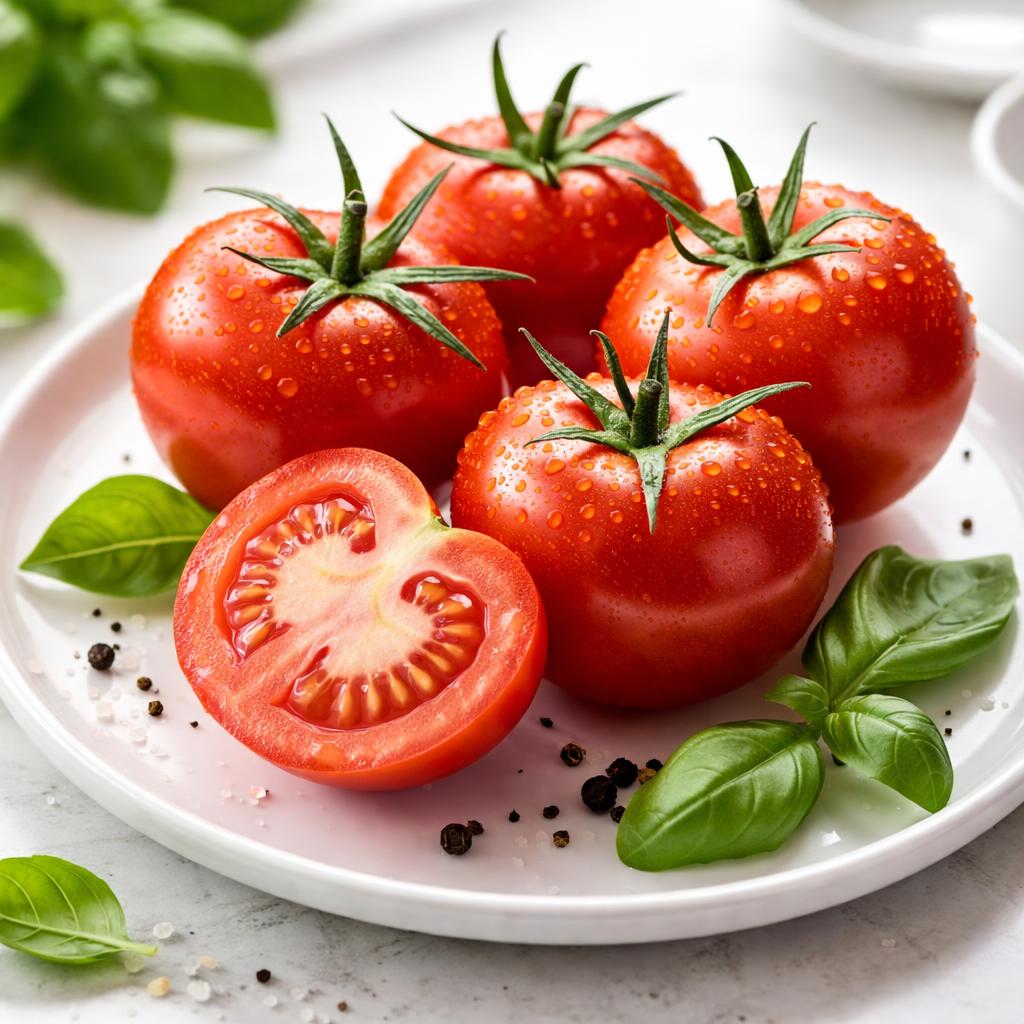
Tomato
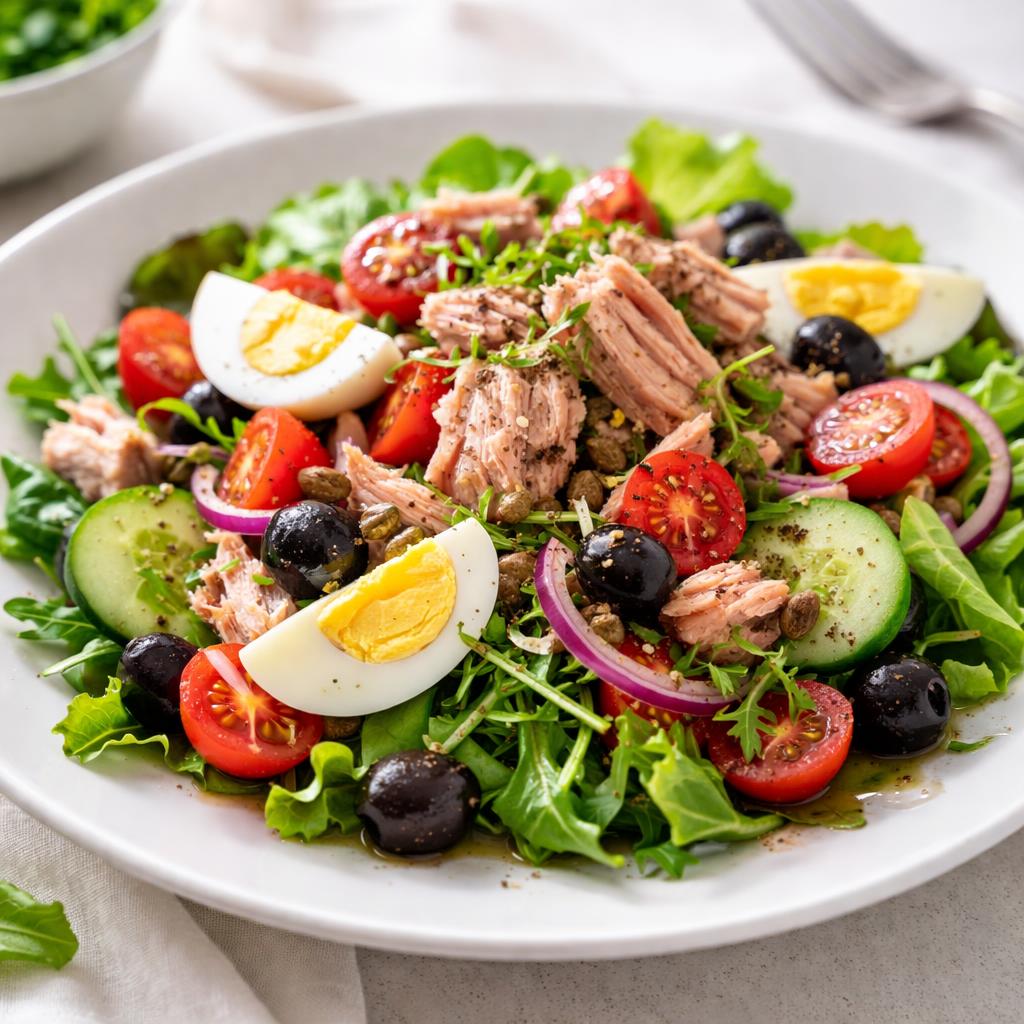
Tuna Salad
🎯 Quick Verdict
Tomatoes are low-calorie, high-fiber, and rich in vitamins like vitamin C, making them ideal for weight management and nutrient intake. Tuna salad is high in protein and healthy fats, suitable for muscle maintenance and sustained energy. Both foods complement different dietary needs, with tomatoes excelling in vitamins and fiber, while tuna salad offers protein and heart-healthy benefits.

Smart Nutrition Tracking with SnapCalorie

📊 Nutritional Comparison
Macronutrients
| Nutrient | Food 1 | Food 2 | Winner |
|---|---|---|---|
| Calories | 18 kcal (per 100g) | 210 kcal (per 100g) | ✓ |
| Protein | 0.9g | 15g | ✓ |
| Carbs | 3.9g | 7g | ✓ |
| Fat | 0.2g | 14g | ✓ |
| Fiber | 1.2g | 0.5g | ✓ |
Vitamins & Minerals
| Nutrient | Food 1 | Food 2 | Winner |
|---|---|---|---|
| Vitamin C | 13.7mg | 0mg | ✓ |
| Vitamin A | 833 IU | 58 IU | ✓ |
| Vitamin D | 0mcg | 2mcg | ✓ |
| Iron | 0.3mg | 1.3mg | ✓ |
| Calcium | 10mg | 20mg | ✓ |
🏆 Category Winners
Protein
Tuna salad contains significantly more protein at 15g per serving compared to tomato's 0.9g.
Fiber
Tomatoes contain 1.2g of fiber per serving, substantially more than tuna salad's 0.5g.
Calories
Tomatoes are far lower in calories at just 18 kcal per serving compared to tuna salad's 210 kcal.
Vitamins
Tomatoes are rich in Vitamin C and Vitamin A, where tuna salad lacks comparable levels of these micronutrients.
🥗 Diet Compatibility
Keto
Food 1: Compatible
Food 2: Compatible
Both foods are low-carb, though tuna salad is higher in fat ideal for keto diets.
Vegan
Food 1: Compatible
Food 2: Not Compatible
Tomatoes are vegan, but tuna salad contains animal protein.
Gluten Free
Food 1: Compatible
Food 2: Compatible
Neither food contains gluten by default.
Paleo
Food 1: Compatible
Food 2: Compatible
Both foods meet paleo guidelines, as they are whole and minimally processed.
Low-Carb
Food 1: Compatible
Food 2: Compatible
Both foods have low to moderate carbohydrate content, suitable for low-carb diets.
💪 Health Benefits Comparison
Food 1 Benefits
- Rich in antioxidants like lycopene, promoting heart health
- High vitamin C content supports immune function
- Contains dietary fiber aiding digestion
- Low in calories, ideal for weight management
Food 2 Benefits
- High in protein for muscle maintenance and repair
- Contains omega-3 fatty acids for heart and brain health
- Provides iron for improved oxygen transport in the body
- Good source of energy due to healthy fats
✅ The Bottom Line
Choose tomatoes if you're looking for a low-calorie, vitamin-rich food to enhance your meal with fiber and nutrients like vitamin C. Tuna salad is ideal for satisfying protein needs, boosting energy, and supporting heart health through omega-3 fats. Both options have their place in a balanced diet.
Choose Food 1 for: Weight management, vitamin intake, digestion support
Choose Food 2 for: High-protein diets, post-workout nutrition, heart health


