Tomato VS Tomate
A detailed nutritional comparison
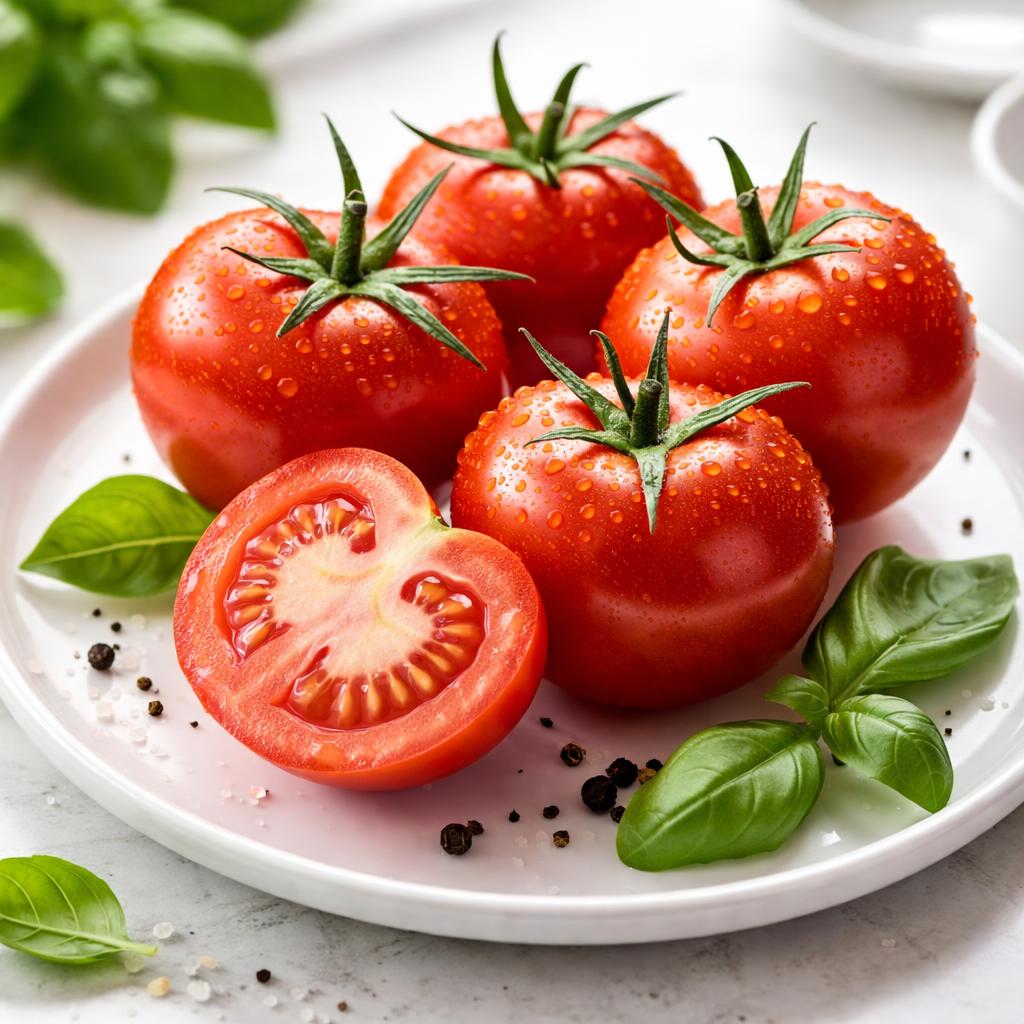
Tomato
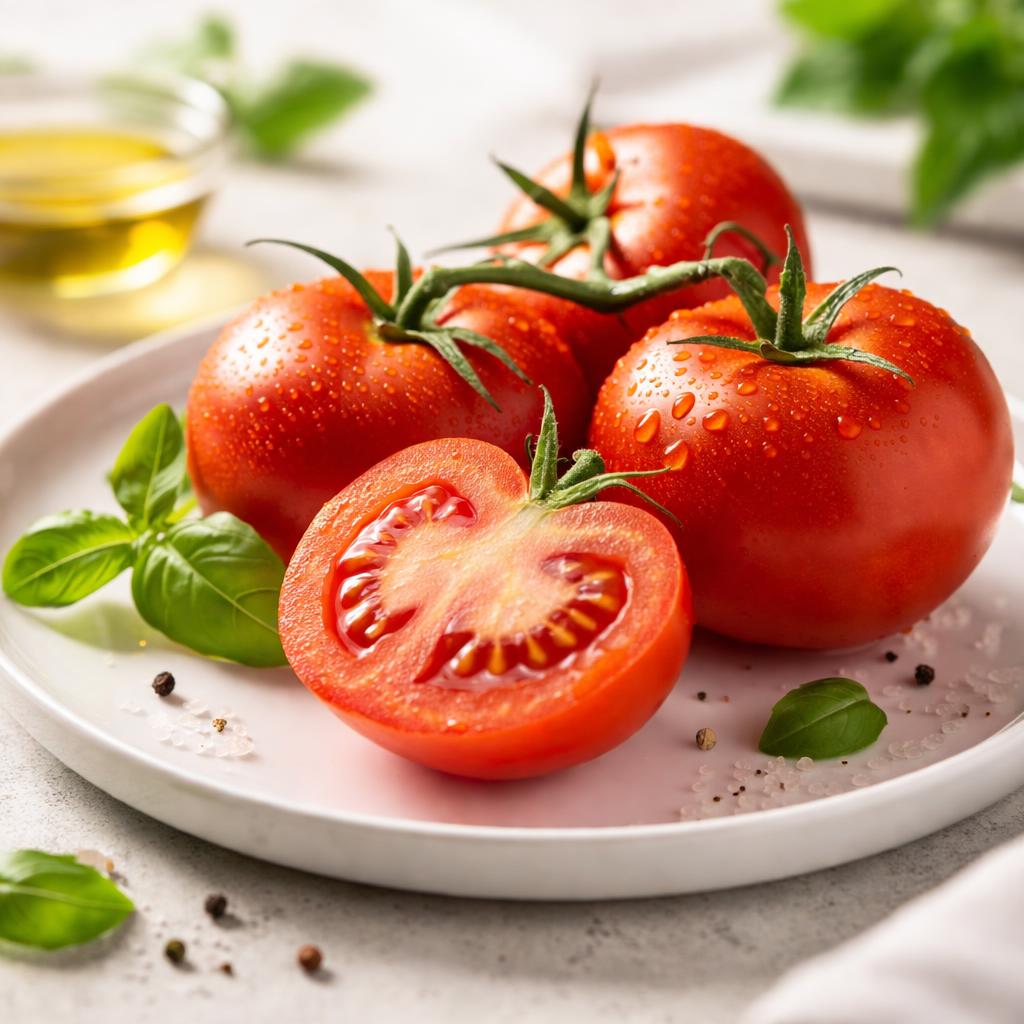
Tomate
🎯 Quick Verdict
Tomato and 'tomate' refer to the same food, typically displaying identical nutritional profiles. Tomatoes are low in calories, packed with vitamins, and beneficial for various diets. They are an excellent choice for hydration and nutrient intake with minimal calories.

Smart Nutrition Tracking with SnapCalorie

📊 Nutritional Comparison
Macronutrients
| Nutrient | Food 1 | Food 2 | Winner |
|---|---|---|---|
| Calories | 18 | 18 | − |
| Protein | 0.9g | 0.9g | − |
| Carbs | 3.9g | 3.9g | − |
| Fat | 0.2g | 0.2g | − |
| Fiber | 1.2g | 1.2g | − |
Vitamins & Minerals
| Nutrient | Food 1 | Food 2 | Winner |
|---|---|---|---|
| Vitamin C | 13.7mg | 13.7mg | − |
| Vitamin A | 833IU | 833IU | − |
| Potassium | 237mg | 237mg | − |
🏆 Category Winners
Protein
Both foods contain the same amount of protein (0.9g per serving).
Fiber
Both foods provide 1.2g of fiber per serving.
Calories
Both foods have identical calorie counts (18 calories per serving).
🥗 Diet Compatibility
Keto
Food 1: Compatible
Food 2: Compatible
Both foods are low-carb (3.9g per serving).
Vegan
Food 1: Compatible
Food 2: Compatible
Both are plant-based.
Gluten Free
Food 1: Compatible
Food 2: Compatible
Neither contains gluten.
Paleo
Food 1: Compatible
Food 2: Compatible
Both are unprocessed whole foods.
Low Carb
Food 1: Compatible
Food 2: Compatible
Carb content is minimal (3.9g per serving).
💪 Health Benefits Comparison
Food 1 Benefits
- Rich in vitamin C for immune system support
- Contains antioxidants like lycopene for heart health
- Low calorie content suitable for weight management
- Hydrating due to high water content
Food 2 Benefits
- Rich in vitamin C for immune system support
- Contains antioxidants like lycopene for heart health
- Low calorie content suitable for weight management
- Hydrating due to high water content
✅ The Bottom Line
Tomato and 'tomate' are identical in nutritional value and health benefits. They are a versatile, nutrient-dense option for any diet, particularly beneficial for hydration and vitamin C intake.
Choose Food 1 for: Hydration, vitamin C boost, weight management
Choose Food 2 for: Hydration, vitamin C boost, weight management


