Tomato VS Sandwich
A detailed nutritional comparison
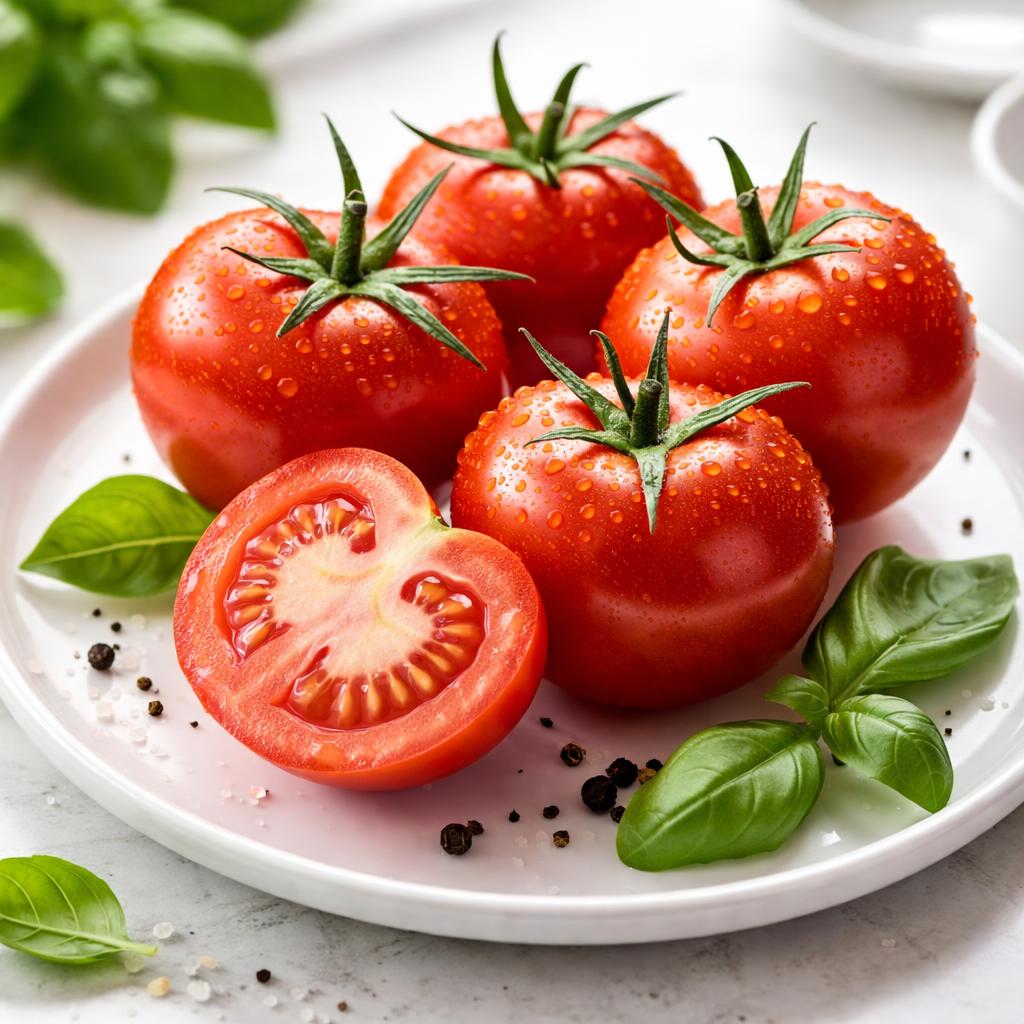
Tomato
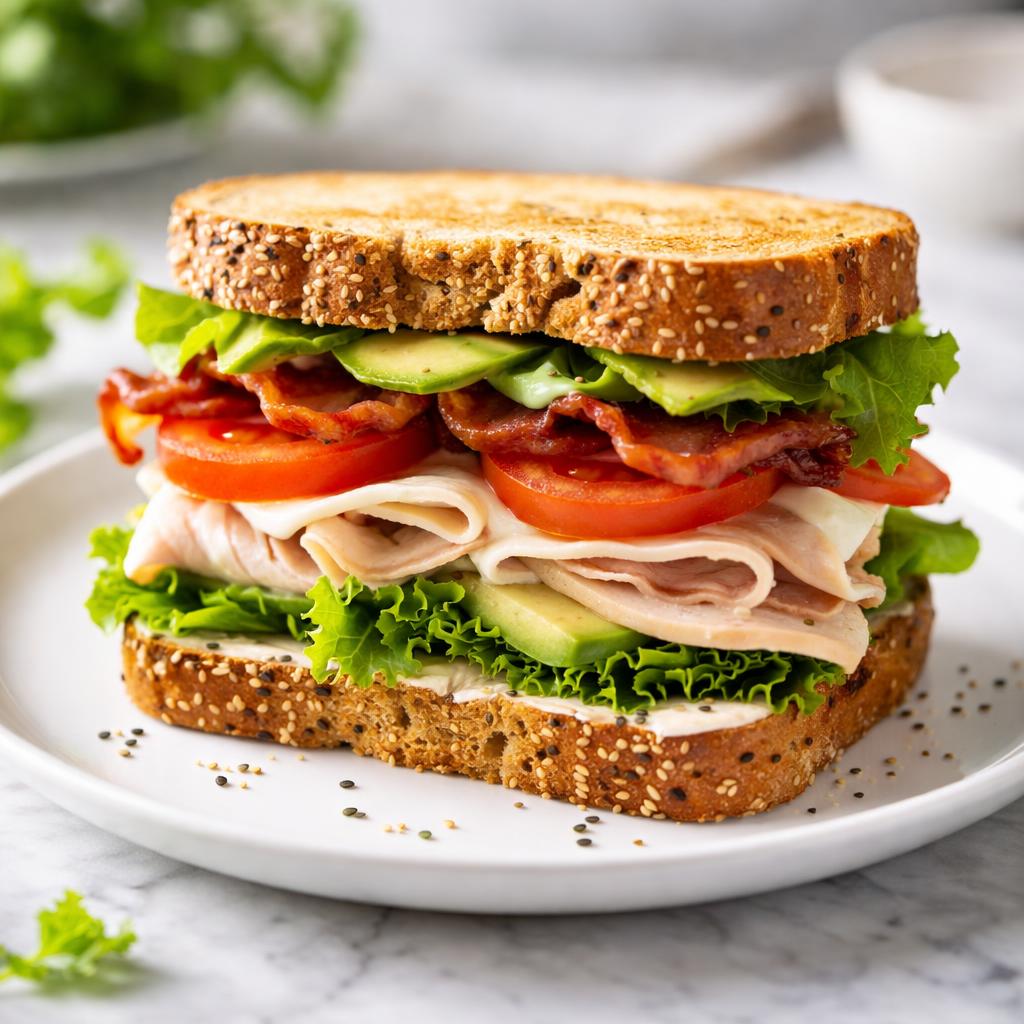
Sandwich
🎯 Quick Verdict
Tomatoes are a low-calorie, fiber-rich, nutrient-packed food ideal for weight loss and hydration, while sandwiches provide more protein and sustained energy due to their balanced macronutrients. Tomatoes shine in antioxidant content, while sandwiches often cater to heartier appetite and nutrient density based on ingredients like bread, cheese, or meat/filling options.

Smart Nutrition Tracking with SnapCalorie

📊 Nutritional Comparison
Macronutrients
| Nutrient | Food 1 | Food 2 | Winner |
|---|---|---|---|
| Calories | 18 | 250 | ✓ |
| Protein | 1g | 12g | ✓ |
| Carbs | 4g | 28g | ✓ |
| Fat | 0.2g | 8g | ✓ |
| Fiber | 1g | 2g | ✓ |
Vitamins & Minerals
| Nutrient | Food 1 | Food 2 | Winner |
|---|---|---|---|
| Vitamin C | 14mg | 1mg | ✓ |
| Vitamin A | 833IU | 150IU | ✓ |
| Calcium | 10mg | 150mg | ✓ |
🏆 Category Winners
Protein
Food2 offers 12g protein compared to 1g in tomatoes.
Fiber
Food2 delivers 2g of fiber versus 1g in tomatoes.
Calories
Food1 contains significantly fewer calories than food2 (18 vs 250).
🥗 Diet Compatibility
Keto
Food 1: Compatible
Food 2: Not Compatible
Tomatoes are low-carb, but sandwiches contain high-carb bread filling.
Vegan
Food 1: Compatible
Food 2: Variable
Tomatoes are always vegan; sandwiches may contain dairy or meat depending on preparation.
Gluten Free
Food 1: Compatible
Food 2: Not Compatible
Sandwiches typically include bread which usually contains gluten.
Paleo
Food 1: Compatible
Food 2: Not Compatible
Tomatoes fit paleo guidelines, but sandwiches typically do not due to processed bread.
Low-Carb
Food 1: Compatible
Food 2: Not Compatible
Tomatoes have only 4g carbs per serving, compared to 28g in sandwiches.
💪 Health Benefits Comparison
Food 1 Benefits
- Rich in antioxidants (lycopene) for reducing oxidative stress.
- Provides vitamin C to support immunity and skin health.
- Low-calorie and hydrating, great for weight loss and hydration.
Food 2 Benefits
- Offers sustained energy due to balanced protein, carbs, and fats.
- Can support muscle repair and growth depending on protein content.
- Improves satiety for managing hunger and supporting meal sophistication.
✅ The Bottom Line
Tomatoes are an excellent choice for low-calorie snacking, hydration, and adding vitamins and antioxidants to meals. Sandwiches are better suited for a complete, nutrient-dense meal that provides protein and energy, with more customization depending on fillings. Choose tomatoes for light nutritional boosts, and sandwiches for heartier meals.
Choose Food 1 for: Low-calorie diets, antioxidant boost, hydration-focused meals
Choose Food 2 for: Hearty meals, muscle repair, energy needs


