Tomato VS Salad Dressing
A detailed nutritional comparison
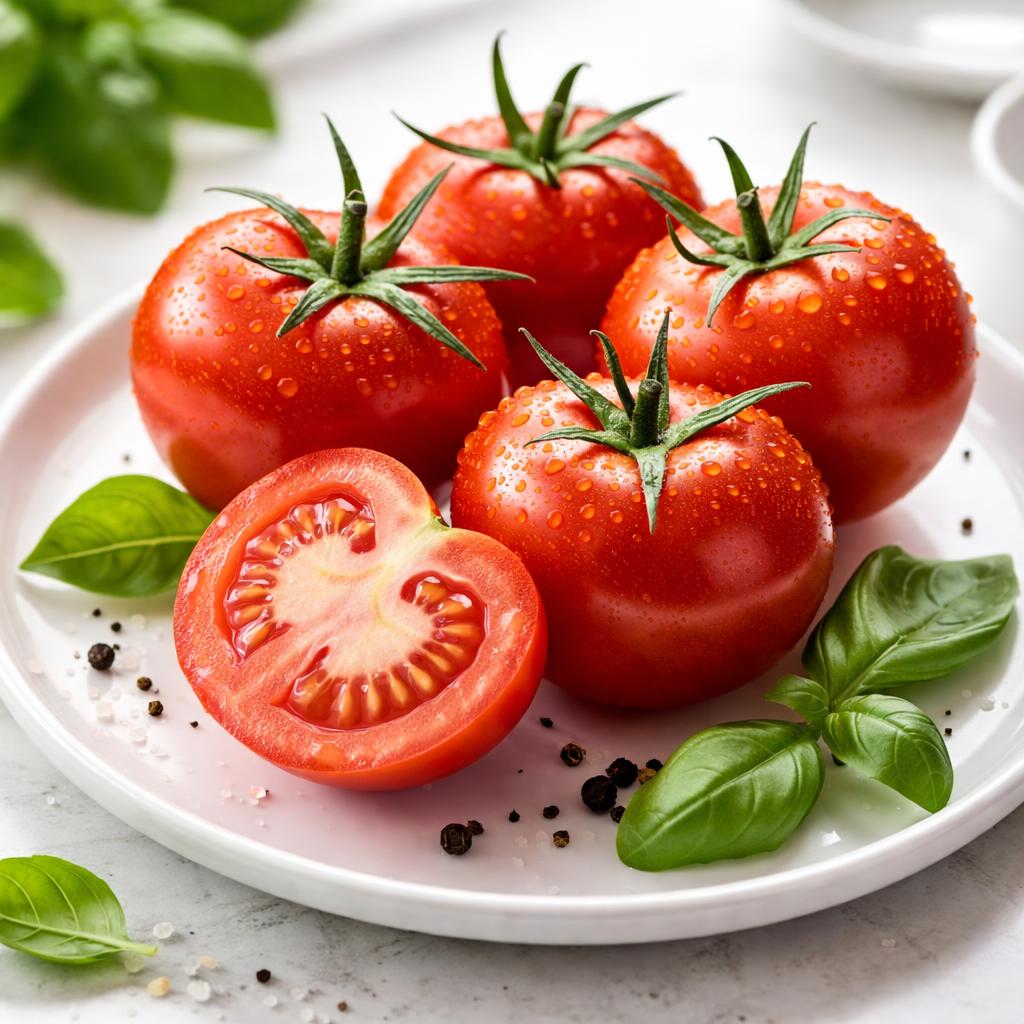
Tomato
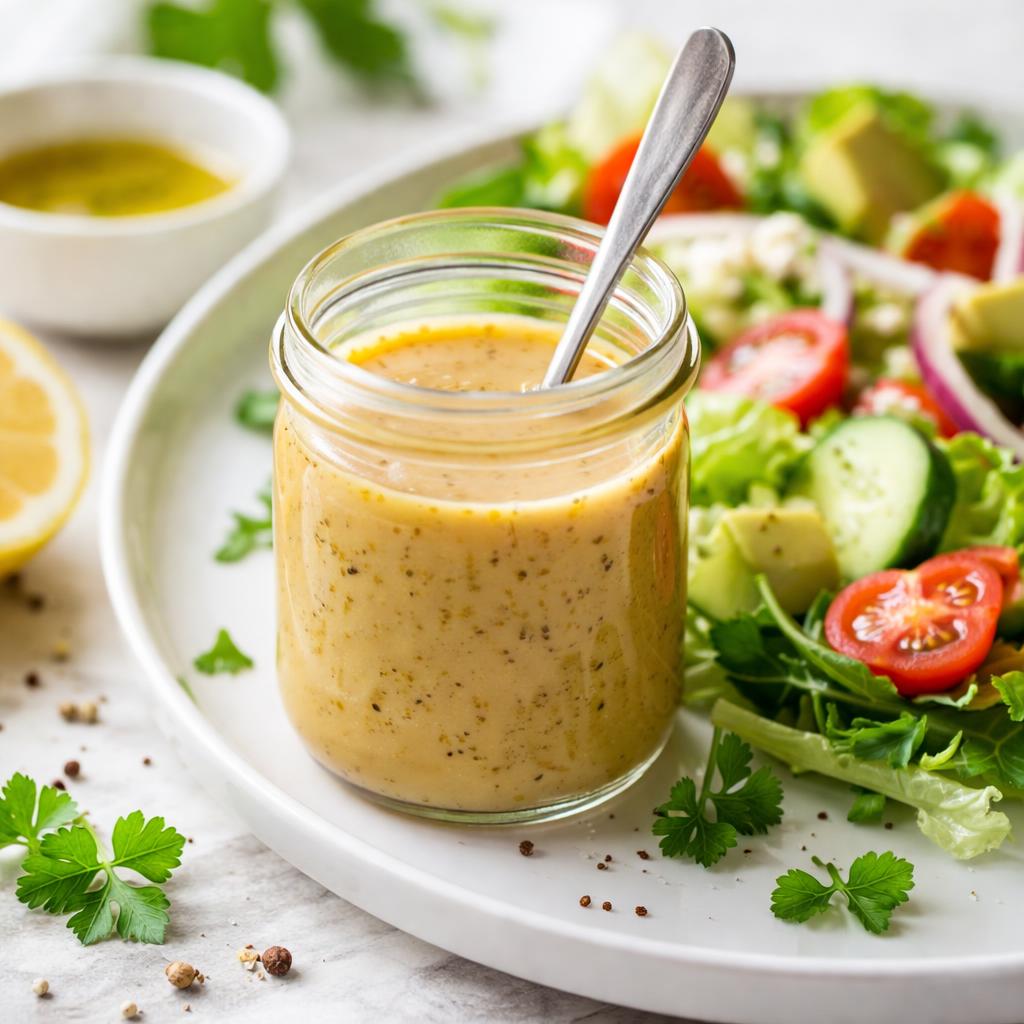
Salad Dressing
🎯 Quick Verdict
Tomatoes are far lower in calories and provide more fiber compared to salad dressing. Salad dressing is high in fat due to its oil content and contributes fewer essential nutrients. Tomatoes are ideal for low-calorie, nutrient-dense diets, while salad dressing can enhance flavor but should be used sparingly if monitoring fat intake.

Smart Nutrition Tracking with SnapCalorie

📊 Nutritional Comparison
Macronutrients
| Nutrient | Food 1 | Food 2 | Winner |
|---|---|---|---|
| Calories | 18 per 100g | 200 per 100g | ✓ |
| Protein | 0.9g per 100g | 0.6g per 100g | − |
| Carbs | 3.9g per 100g | 8g per 100g | ✓ |
| Fat | 0.2g per 100g | 21g per 100g | ✓ |
| Fiber | 1.2g per 100g | 0g per 100g | ✓ |
Vitamins & Minerals
| Nutrient | Food 1 | Food 2 | Winner |
|---|---|---|---|
| Vitamin A | 833 IU per 100g | 50 IU per 100g | ✓ |
| Vitamin C | 13.7mg per 100g | 0mg per 100g | ✓ |
| Calcium | 10mg per 100g | 9mg per 100g | ✓ |
| Iron | 0.3mg per 100g | 0.1mg per 100g | ✓ |
🏆 Category Winners
Protein
Both foods support only minimal protein contributions (under 1g per 100g).
Fiber
Tomatoes provide 1.2g of fiber, crucial for digestion, while salad dressing offers none.
Calories
Tomatoes have significantly fewer calories, only 18 per 100g compared to 200 per 100g in salad dressing.
Vitamins
Tomatoes are rich in vitamin A and C, providing immune and eye health benefits. Salad dressing offers minimal vitamins.
🥗 Diet Compatibility
Keto
Food 1: Compatible
Food 2: Compatible
Both are low-carb, but salad dressing offers high fat, beneficial for keto diets.
Vegan
Food 1: Compatible
Food 2: Compatible
Both foods are plant-based.
Gluten Free
Food 1: Compatible
Food 2: Depends
Tomatoes are naturally gluten-free, while some salad dressings may include gluten-containing additives.
Paleo
Food 1: Compatible
Food 2: Depends
Tomatoes fit Paleo guidelines, but salad dressing must exclude processed oils or additives to comply.
Low-Carb
Food 1: Compatible
Food 2: Compatible
Tomatoes are naturally lower in carbs, while salad dressing fits low-carb through its high-fat profile.
💪 Health Benefits Comparison
Food 1 Benefits
- Rich in vitamin C and antioxidants to boost immunity.
- High fiber content aids digestion and satiety.
- Provides lycopene, which supports heart health and reduces inflammation.
Food 2 Benefits
- Contains healthy fats when made with oils like olive or avocado.
- Enhances flavor to encourage vegetable consumption.
- Provides certain fat-soluble vitamins depending on recipe ingredients.
✅ The Bottom Line
Tomatoes are the better choice for low-calorie meals and nutrient density. Salad dressing, while flavorful, should be consumed sparingly due to its high fat and calorie content. Pair them together for a balanced salad, but monitor dressing quantity for a healthy overall meal.
Choose Food 1 for: Low-calorie diets, nutrient density, digestion, heart health
Choose Food 2 for: Flavor enhancement, keto-friendly fat intake, energy sustenance


