Tomato VS Risotto
A detailed nutritional comparison
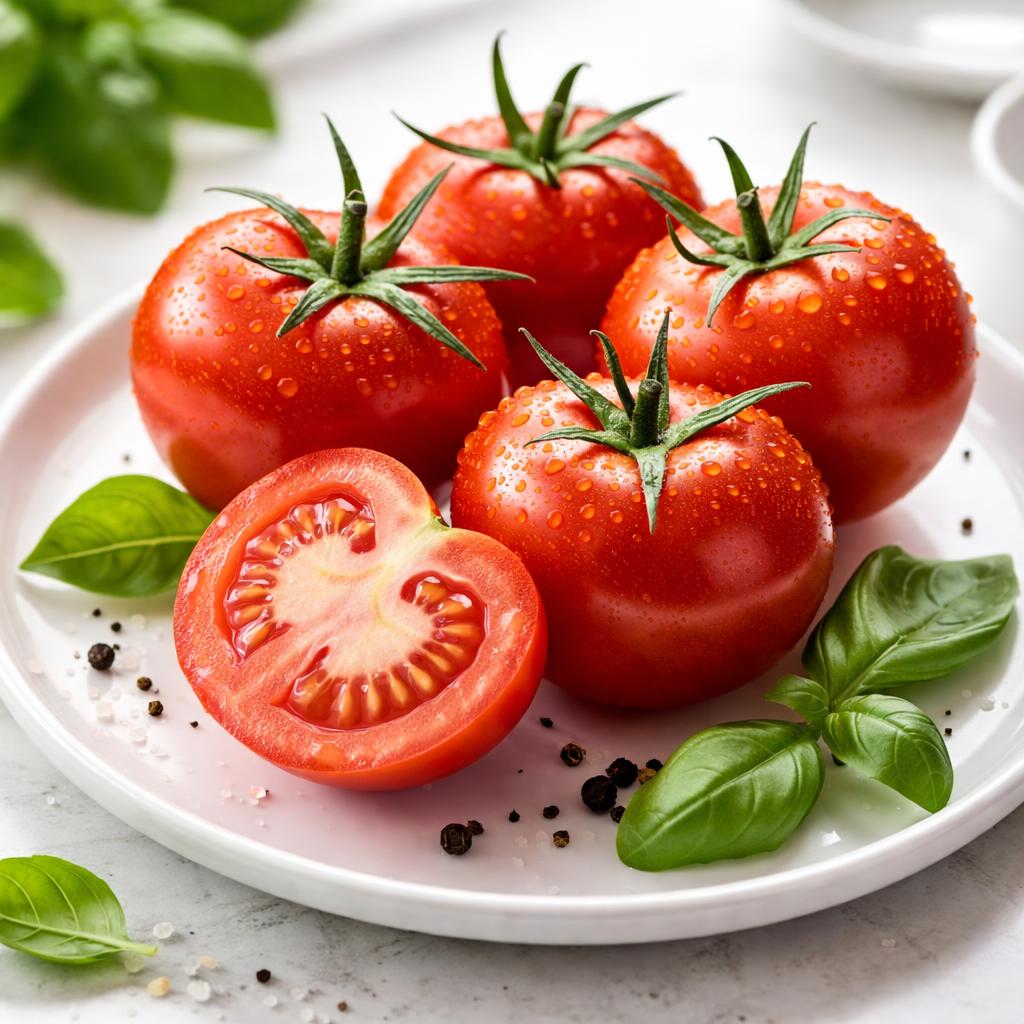
Tomato
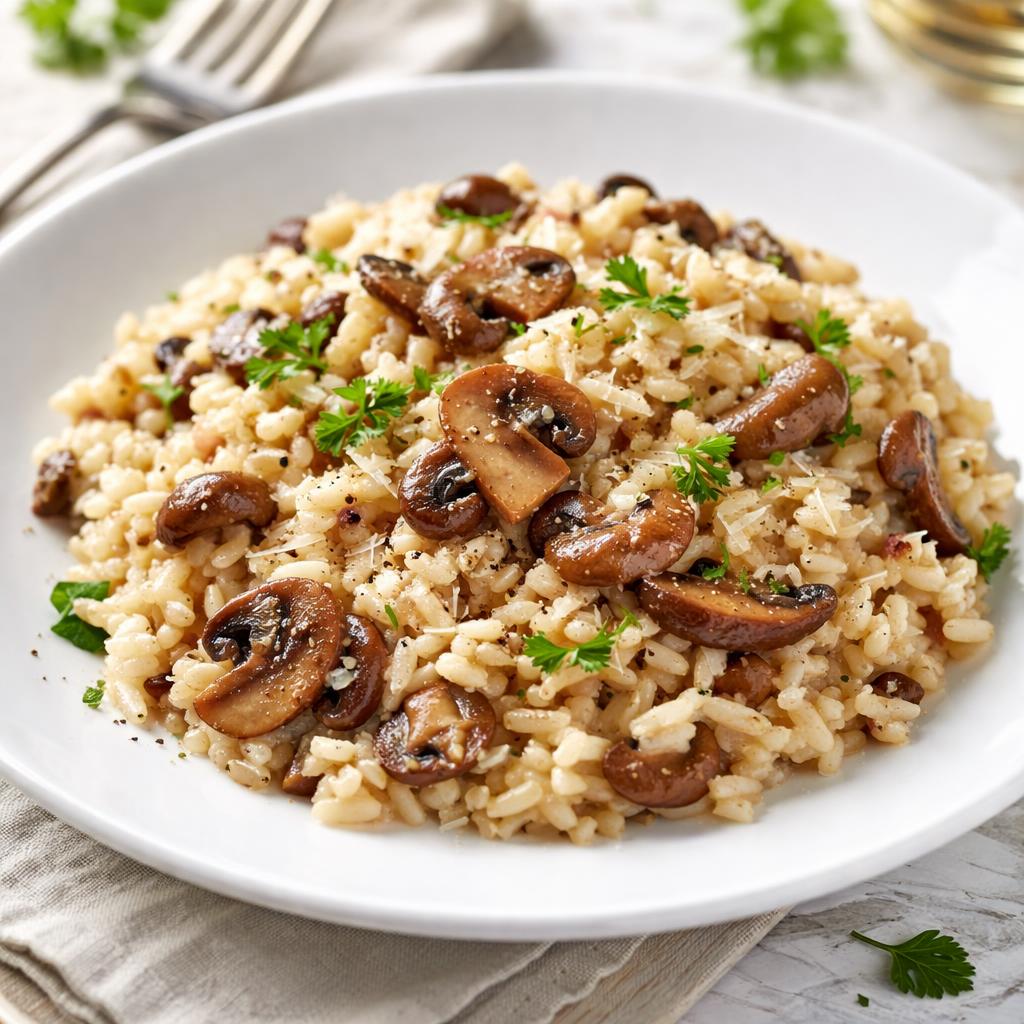
Risotto
🎯 Quick Verdict
Tomatoes are lower in calories, carbs, and fat and provide more fiber than risotto. Risotto, however, is higher in protein and essential minerals like iron. Tomatoes are ideal for weight-conscious diets, while risotto offers a more filling, energy-dense meal suitable for active lifestyles or post-workout replenishment.

Smart Nutrition Tracking with SnapCalorie

📊 Nutritional Comparison
Macronutrients
| Nutrient | Food 1 | Food 2 | Winner |
|---|---|---|---|
| Calories | 18 per 100g | 136 per 100g | ✓ |
| Protein | 0.9g per 100g | 4.3g per 100g | ✓ |
| Carbs | 3.9g per 100g | 29g per 100g | ✓ |
| Fat | 0.2g per 100g | 4.4g per 100g | ✓ |
| Fiber | 1.2g per 100g | 0.7g per 100g | ✓ |
Vitamins & Minerals
| Nutrient | Food 1 | Food 2 | Winner |
|---|---|---|---|
| Vitamin C | 13.7mg per 100g | 0mg | ✓ |
| Vitamin A | 833 IU per 100g | 5 IU per 100g | ✓ |
| Iron | 0.3mg per 100g | 0.5mg per 100g | ✓ |
🏆 Category Winners
Protein
Risotto contains nearly five times more protein per serving than tomatoes.
Fiber
Tomatoes have nearly double the fiber content compared to risotto per serving.
Calories
Tomatoes have significantly fewer calories, making them better for weight management.
Vitamins
Tomatoes are rich in Vitamin C and Vitamin A, while Risotto provides minimal amounts of these nutrients.
🥗 Diet Compatibility
Keto
Food 1: Compatible
Food 2: Not Compatible
Tomatoes are low-carb, while risotto is high in carbs (29g/100g).
Vegan
Food 1: Compatible
Food 2: Compatible
Both foods can fit into a vegan diet depending on risotto preparation.
Gluten Free
Food 1: Compatible
Food 2: Not Compatible
Tomatoes are naturally gluten-free, but risotto uses rice variants that may contain gluten additives based on preparation.
Paleo
Food 1: Compatible
Food 2: Not Compatible
Tomatoes align with paleo principles; risotto does not due to processed rice content.
Low Carb
Food 1: Compatible
Food 2: Not Compatible
Tomatoes are low-carb (3.9g/100g), whereas risotto is carbohydrate-heavy (29g/100g).
💪 Health Benefits Comparison
Food 1 Benefits
- Low in calories, ideal for calorie-restricted diets
- Rich in antioxidants like Vitamin C for immune support
- Provides dietary fiber to support digestion
- Contains lycopene, which supports heart health
Food 2 Benefits
- High in carbohydrates for sustained energy
- Contains protein for muscle repair and maintenance
- Provides key minerals like iron for oxygen transport
- Can be fortified with additional nutrients depending on preparation
✅ The Bottom Line
Tomatoes are better suited for low-calorie, low-carb diets, offering a nutrient-dense option rich in vitamins and antioxidants. Risotto is a more energy-dense food ideal for active individuals needing sustained energy or post-workout recovery. The choice depends on your caloric needs and dietary goals.
Choose Food 1 for: Weight loss, vitamin boost, anti-inflammatory diets
Choose Food 2 for: High-energy diets, post-workout recovery, filling meals


