Tomato VS Ricotta Cheese
A detailed nutritional comparison
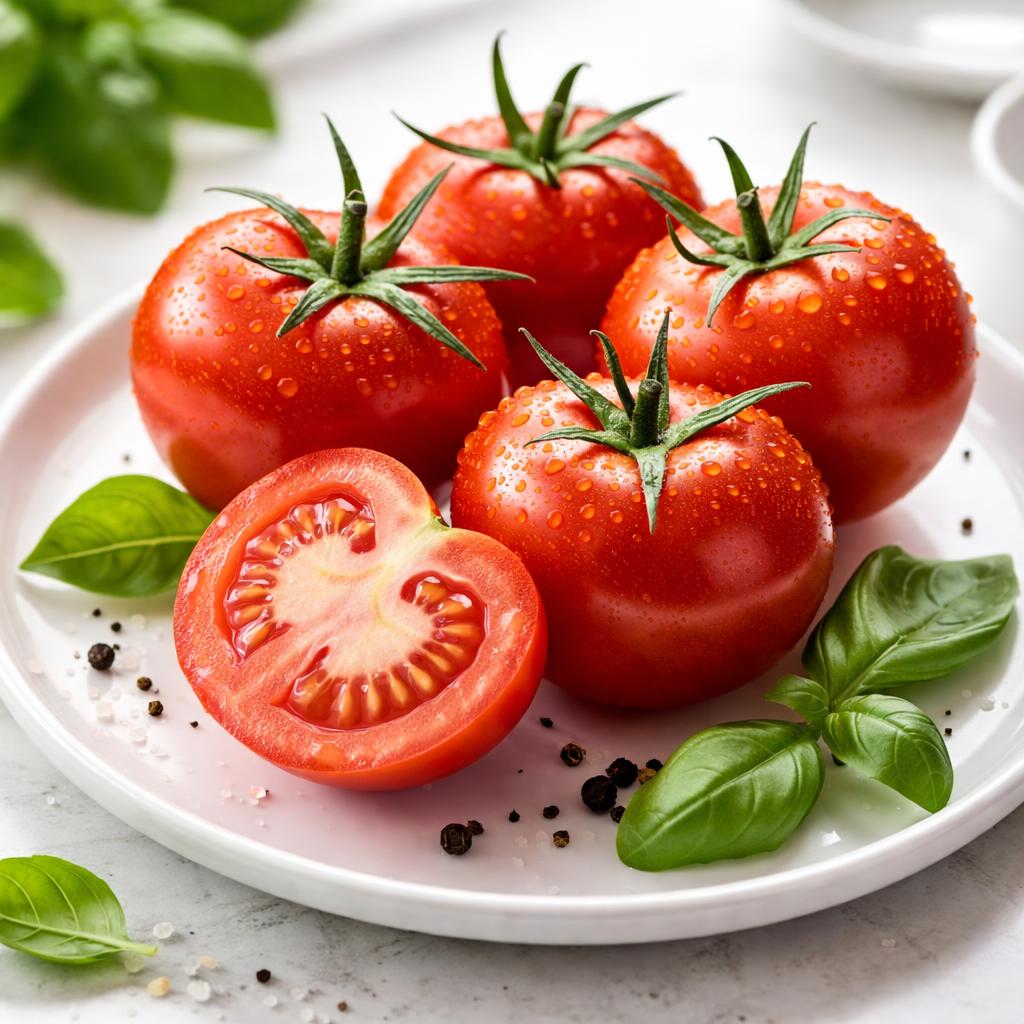
Tomato
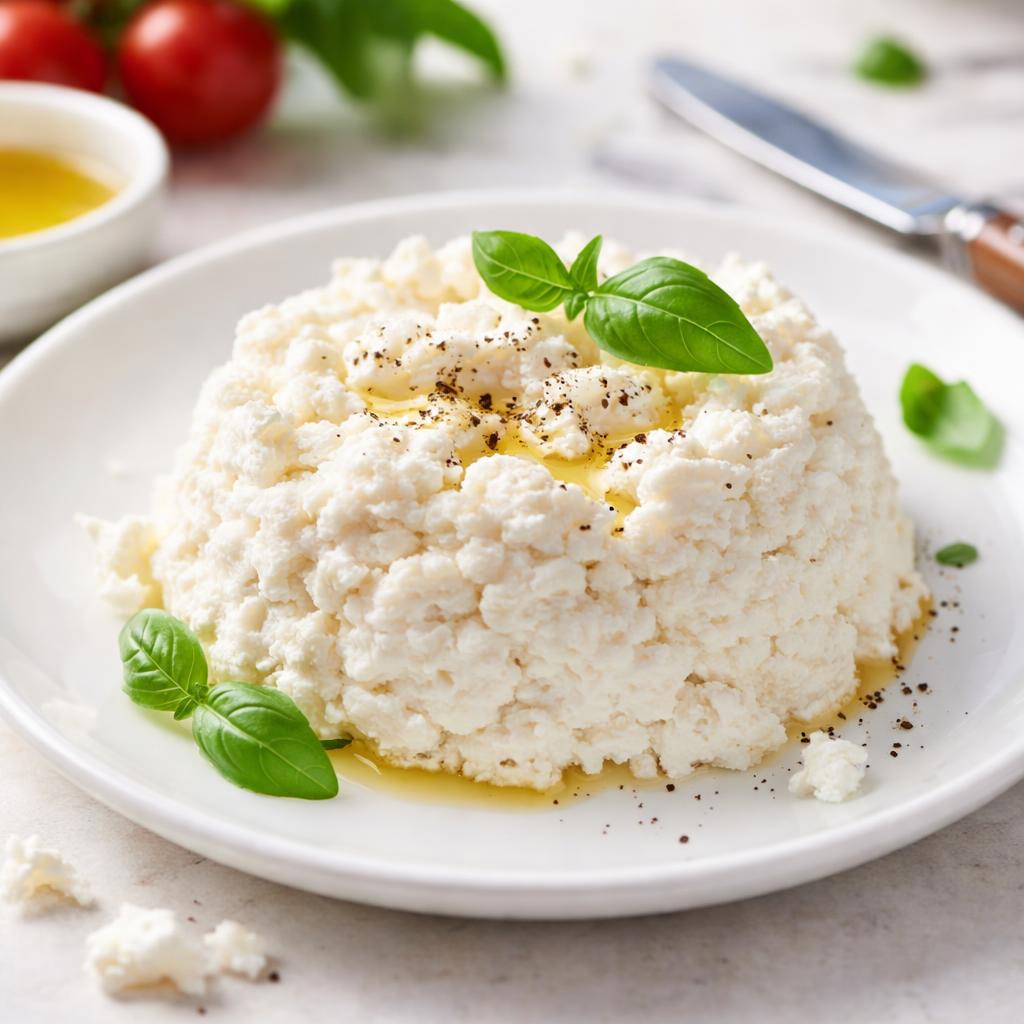
Ricotta Cheese
🎯 Quick Verdict
Tomatoes are a low-calorie, high-fiber food rich in vitamin C and antioxidants, making them ideal for weight management and overall health. Ricotta cheese, on the other hand, is protein-rich with some healthy fats and calcium, suitable for muscle maintenance and bone health. Both foods serve distinct purposes based on dietary goals but complement each other well in balanced meals.

Smart Nutrition Tracking with SnapCalorie

📊 Nutritional Comparison
Macronutrients
| Nutrient | Food 1 | Food 2 | Winner |
|---|---|---|---|
| Calories | 18 per 100g | 174 per 100g | ✓ |
| Protein | 0.9g per 100g | 11g per 100g | ✓ |
| Carbs | 3.9g per 100g | 4.1g per 100g | − |
| Fat | 0.2g per 100g | 13g per 100g | ✓ |
| Fiber | 1.2g per 100g | Trace amounts | ✓ |
Vitamins & Minerals
| Nutrient | Food 1 | Food 2 | Winner |
|---|---|---|---|
| Vitamin C | 23mg per 100g | 0mg | ✓ |
| Vitamin D | 0mcg | 0mcg | − |
| Calcium | 10mg per 100g | 207mg per 100g | ✓ |
| Iron | 0.3mg per 100g | 0.4mg per 100g | ✓ |
🏆 Category Winners
Protein
Ricotta cheese has over 10 times more protein compared to tomatoes.
Fiber
Tomatoes contain 1.2g of fiber per 100g, while ricotta cheese has only trace amounts.
Calories
Tomatoes are extremely low in calories (18 per 100g), while ricotta cheese provides 174 calories per 100g.
Vitamins
Tomatoes are rich in vitamin C (23mg per 100g), whereas ricotta cheese offers none.
🥗 Diet Compatibility
Keto
Food 1: Not Compatible
Food 2: Compatible
Ricotta cheese is low-carb and fits keto diets, while tomatoes have moderate carbs that may need to be restricted in keto.
Vegan
Food 1: Compatible
Food 2: Not Compatible
Tomatoes are plant-based, while ricotta cheese is derived from animals.
Gluten Free
Food 1: Compatible
Food 2: Compatible
Neither contains gluten.
Paleo
Food 1: Compatible
Food 2: Not Compatible
Tomatoes fit paleo diets, but ricotta cheese, a dairy product, is not considered paleo-friendly.
Low-Carb
Food 1: Moderately Compatible
Food 2: Compatible
Ricotta cheese is low-carb, while tomatoes have 3.9g carbs per 100g and may need monitoring in strict low-carb plans.
💪 Health Benefits Comparison
Food 1 Benefits
- High in antioxidants for reducing inflammation
- Rich in vitamin C for immune system support
- Contains fiber supporting digestion
- Low in calories for weight management
Food 2 Benefits
- Rich source of protein aiding muscle maintenance
- Provides calcium for bone health
- Contains healthy fats that support heart health
- Offers a creamy texture useful in satisfying meals
✅ The Bottom Line
Tomatoes are best for dietary plans focused on weight loss, digestion, and vitamin intake, while ricotta cheese is ideal for those prioritizing protein, muscle maintenance, and calcium. Combining these two foods can balance nutritional goals effectively.
Choose Food 1 for: Weight loss, immune health, antioxidant support
Choose Food 2 for: Muscle building, bone health, keto diets


