Tomato VS Red Onion
A detailed nutritional comparison
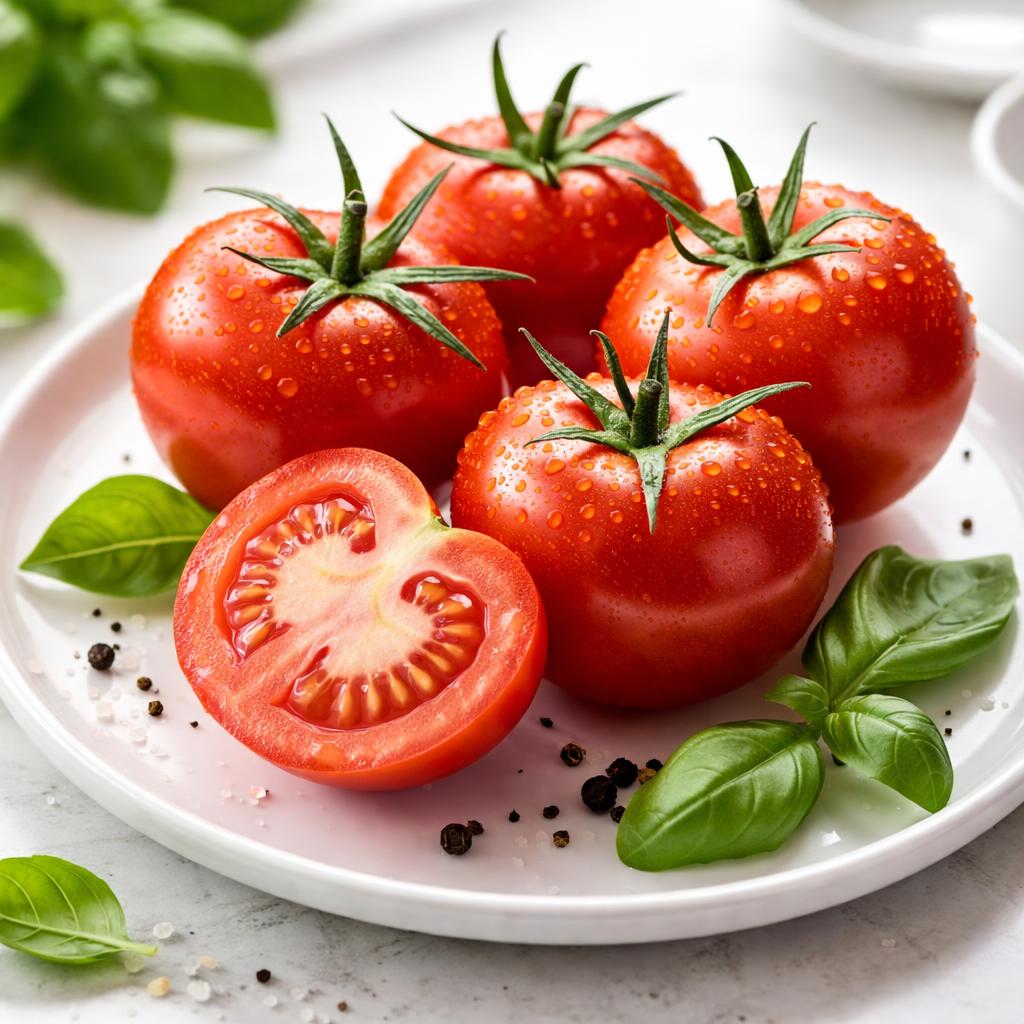
Tomato
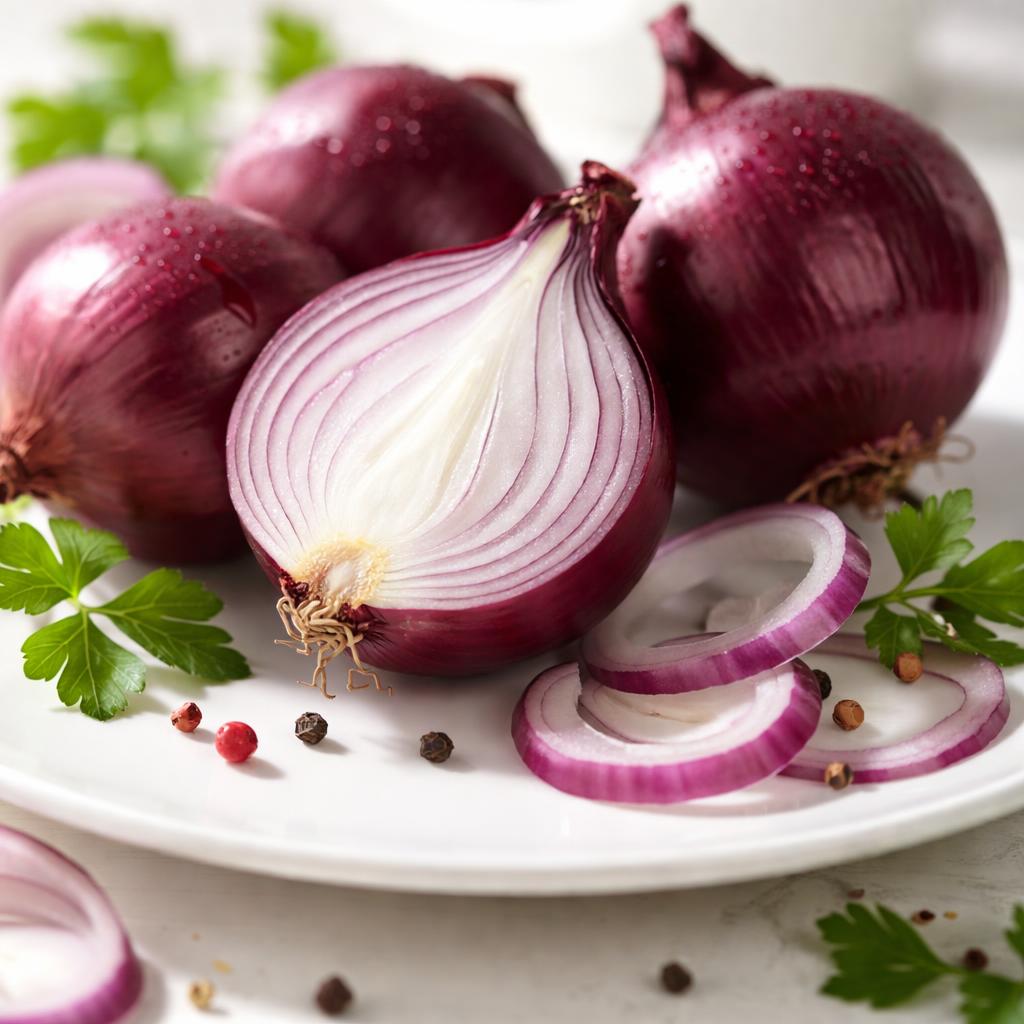
Red Onion
🎯 Quick Verdict
Tomatoes and red onions serve different nutritional purposes. Tomatoes are lower in calories and carbs while providing vitamins like Vitamin C and A. Red onions have slightly more fiber and antioxidants, making them great for heart health and reduced inflammation. Opt for tomatoes as a low-calorie option and red onions for their flavor and digestive benefits.

Smart Nutrition Tracking with SnapCalorie

📊 Nutritional Comparison
Macronutrients
| Nutrient | Food 1 | Food 2 | Winner |
|---|---|---|---|
| Calories | 18 | 40 | ✓ |
| Protein | 1g | 1g | − |
| Carbs | 3.9g | 9g | ✓ |
| Fat | 0.2g | 0.1g | ✓ |
| Fiber | 1.2g | 1.5g | ✓ |
Vitamins & Minerals
| Nutrient | Food 1 | Food 2 | Winner |
|---|---|---|---|
| Vitamin C | 13.7mg | 7.4mg | ✓ |
| Vitamin A | 833 IU | 0 IU | ✓ |
| Vitamin K | 7.9mcg | 0.5mcg | ✓ |
| Potassium | 237mg | 146mg | ✓ |
🏆 Category Winners
Protein
Both contain similar amounts of protein at approximately 1g per serving.
Fiber
Red onions offer slightly more fiber (1.5g vs 1.2g per serving).
Calories
Tomatoes are significantly lower in calories, with just 18 calories vs 40 for red onions.
Vitamins
Tomatoes are richer in Vitamin C, A, and potassium than red onions.
🥗 Diet Compatibility
Keto
Food 1: Compatible
Food 2: Compatible
Both are low-carb vegetables suitable for keto.
Vegan
Food 1: Compatible
Food 2: Compatible
Tomatoes and red onions are plant-based and vegan-friendly.
Gluten Free
Food 1: Compatible
Food 2: Compatible
Neither contains gluten.
Paleo
Food 1: Compatible
Food 2: Compatible
Both fit well into paleo diets as whole foods.
Low-Carb
Food 1: Compatible
Food 2: Conditionally Compatible
Tomatoes are lower in carbs, while red onions have slightly more (9g per serving).
💪 Health Benefits Comparison
Food 1 Benefits
- Low in calories, ideal for weight management
- Rich in Vitamin C for immune system support
- Contains lycopene, an antioxidant protecting cells
Food 2 Benefits
- High in fiber for improved digestion
- Rich in antioxidants for reduced inflammation
- Provides trace amounts of sulfur compounds that support heart health
✅ The Bottom Line
Choose tomatoes for a low-calorie option rich in vitamins and antioxidants, especially for salads and weight-loss diets. Red onions are best used as a flavorful addition with benefits for heart health, digestion, and anti-inflammatory properties.
Choose Food 1 for: Weight loss, salad base, immune support
Choose Food 2 for: Flavor enhancement, heart health, digestive support


