Tomato VS Red Bell Peppers
A detailed nutritional comparison
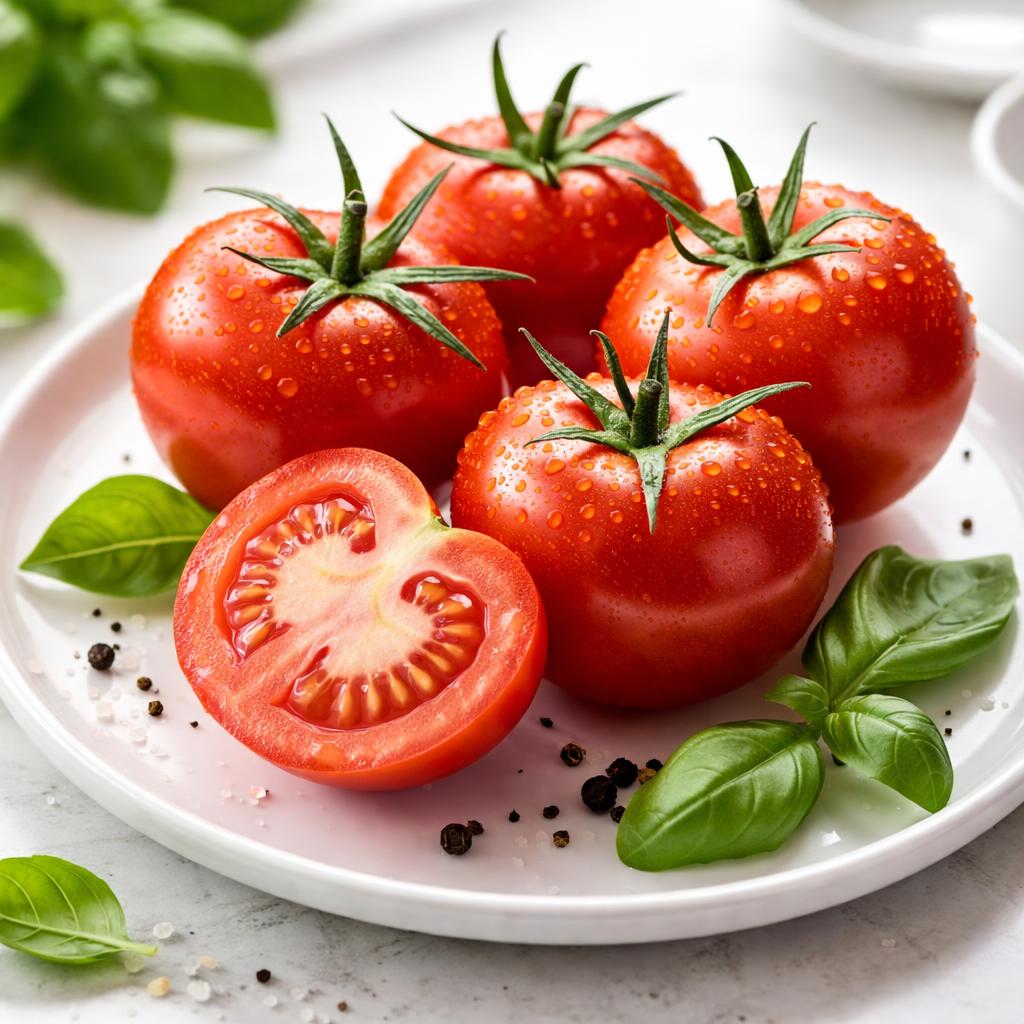
Tomato
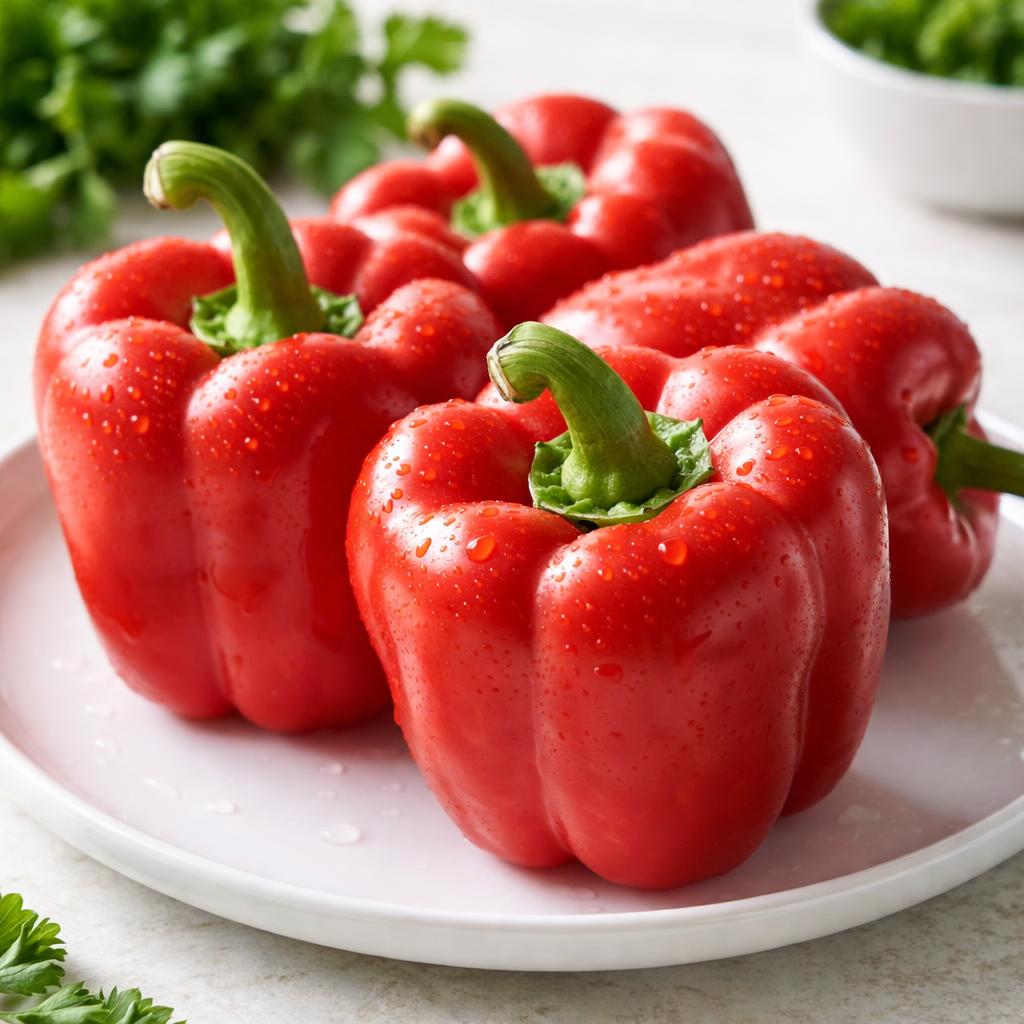
Red Bell Peppers
🎯 Quick Verdict
Red bell peppers generally provide more vitamins, especially Vitamin C, while tomatoes are lower in calories and slightly higher in certain minerals like potassium. Tomatoes are ideal for low-calorie diets or hydration, whereas red bell peppers offer higher fiber and more antioxidants, making them excellent for overall health and immune support.

Smart Nutrition Tracking with SnapCalorie

📊 Nutritional Comparison
Macronutrients
| Nutrient | Food 1 | Food 2 | Winner |
|---|---|---|---|
| Calories | 18 per 100g | 31 per 100g | ✓ |
| Protein | 0.9g per 100g | 0.9g per 100g | − |
| Carbs | 3.9g per 100g | 6g per 100g | ✓ |
| Fat | 0.2g per 100g | 0.3g per 100g | ✓ |
| Fiber | 1.2g per 100g | 2.1g per 100g | ✓ |
Vitamins & Minerals
| Nutrient | Food 1 | Food 2 | Winner |
|---|---|---|---|
| Vitamin C | 14mg per 100g | 127mg per 100g | ✓ |
| Vitamin A | 833 IU per 100g | 3131 IU per 100g | ✓ |
| Potassium | 237mg per 100g | 211mg per 100g | ✓ |
🏆 Category Winners
Protein
Both foods provide similar protein content at 0.9g per 100g.
Fiber
Red bell peppers provide nearly double the fiber content, aiding digestion.
Calories
Tomatoes have almost 40% fewer calories per serving.
Vitamins
Red bell peppers contain much higher levels of Vitamin C and Vitamin A.
🥗 Diet Compatibility
Keto
Food 1: Not Compatible
Food 2: Not Compatible
Both have moderate carbohydrates unsuitable for strict keto diets.
Vegan
Food 1: Compatible
Food 2: Compatible
Both are plant-based and fit vegan dietary preferences.
Gluten Free
Food 1: Compatible
Food 2: Compatible
Neither food contains gluten.
Paleo
Food 1: Compatible
Food 2: Compatible
Both are whole, unprocessed foods and work well for paleo diets.
Low-Carb
Food 1: More Compatible
Food 2: Less Compatible
Tomatoes are lower in carbs per serving.
💪 Health Benefits Comparison
Food 1 Benefits
- Rich in potassium for heart and muscle function
- Contains lycopene, a powerful antioxidant for disease prevention
- Low in calories, making it ideal for weight management
Food 2 Benefits
- High in Vitamin C for immune system support
- Provides Vitamin A for vision and skin health
- Good source of fiber for digestion and bowel health
- Contains capsaicin-like compounds with anti-inflammatory properties
✅ The Bottom Line
Choose tomatoes for low-calorie, hydrating recipes or meal plans focused on weight loss. Opt for red bell peppers when seeking higher vitamin intake, improved digestion, or a nutrient-rich addition to your dishes.
Choose Food 1 for: Low-calorie meals, hydration, weight loss, sauces
Choose Food 2 for: Boosting nutrient density, immune health, salads and stir-fries


