Tomato VS Prawns
A detailed nutritional comparison
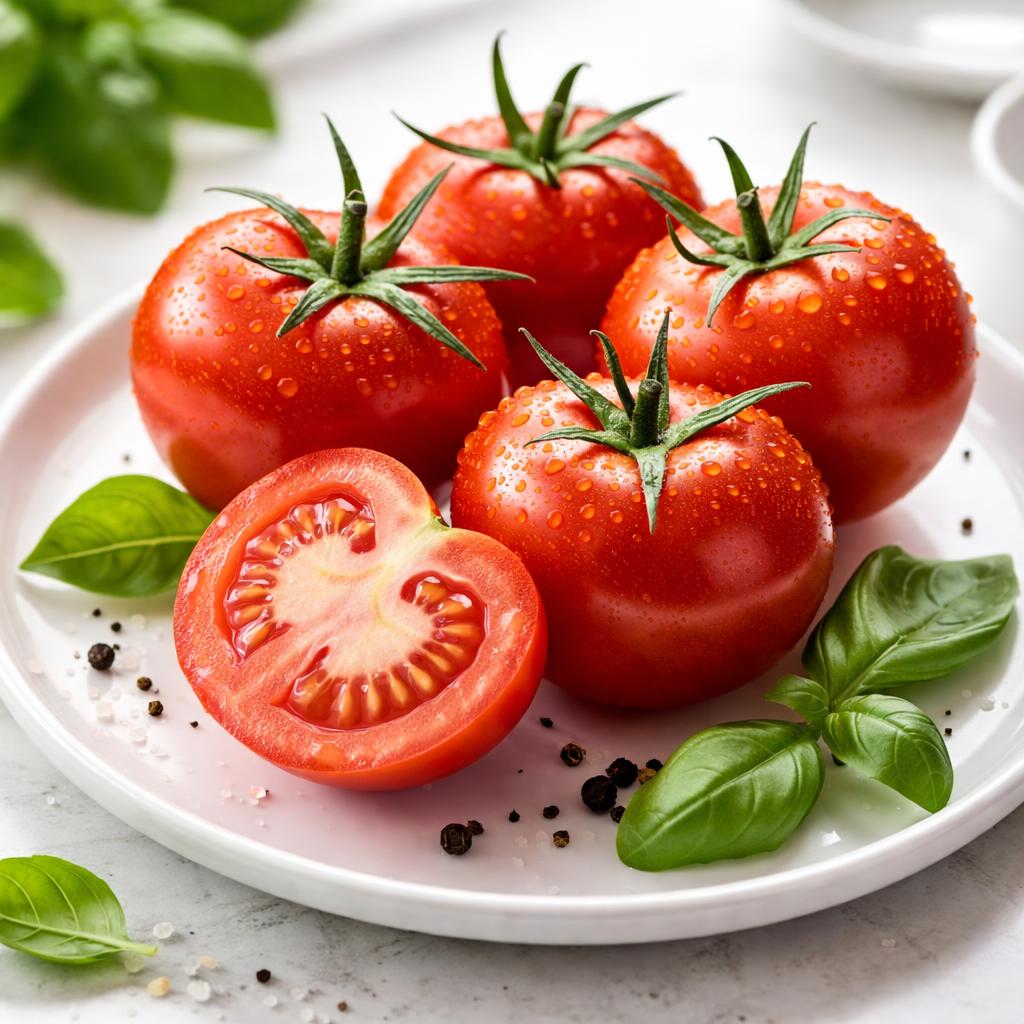
Tomato
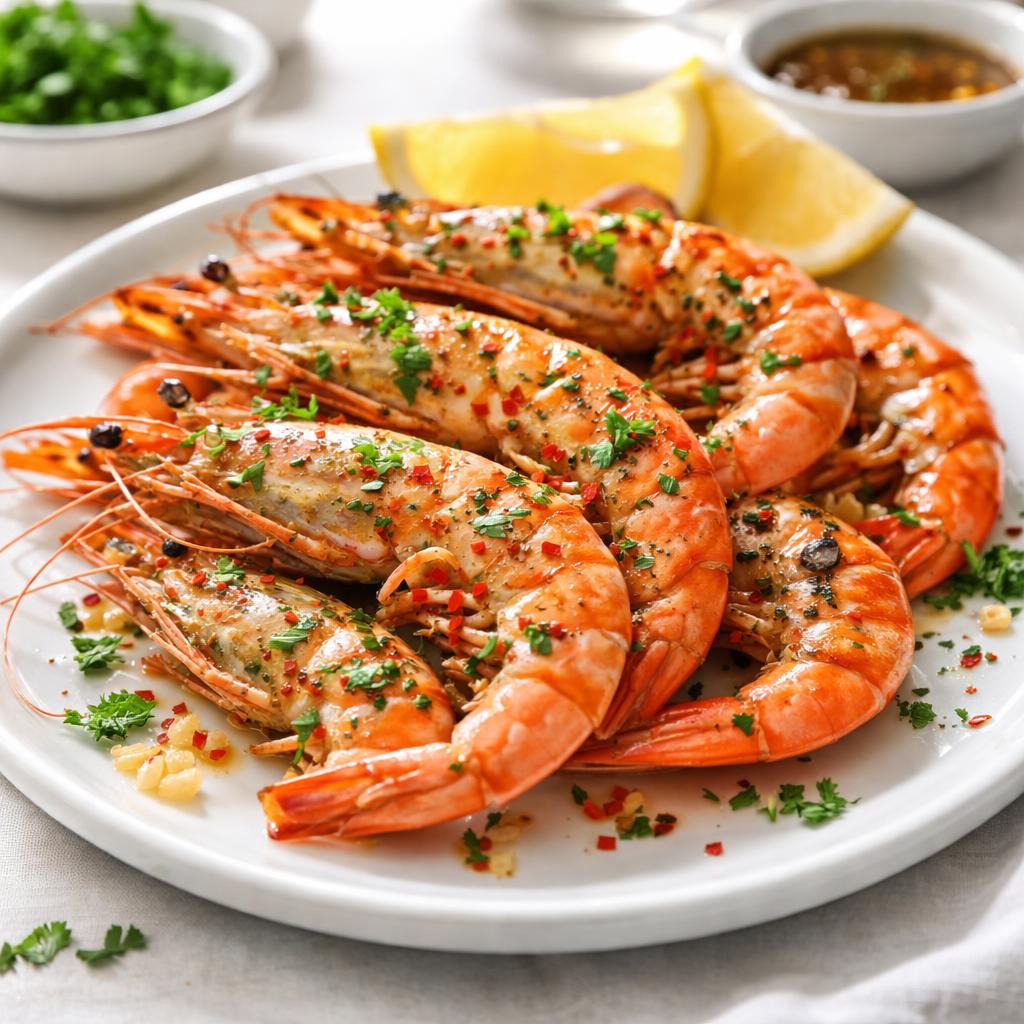
Prawns
🎯 Quick Verdict
Tomatoes are a lower-calorie, fiber-rich food suitable for plant-based diets, while prawns are an excellent high-protein and nutrient-dense choice, particularly for non-vegetarian diets. Tomatoes work best as a digestion-friendly and low-calorie option, while prawns are better for building muscle and providing essential micronutrients like vitamin B12 and selenium.

Smart Nutrition Tracking with SnapCalorie

📊 Nutritional Comparison
Macronutrients
| Nutrient | Food 1 | Food 2 | Winner |
|---|---|---|---|
| Calories | 18 | 99 | ✓ |
| Protein | 0.9g | 23g | ✓ |
| Carbs | 3.9g | 0g | ✓ |
| Fat | 0.2g | 0.9g | ✓ |
| Fiber | 1.2g | 0g | ✓ |
Vitamins & Minerals
| Nutrient | Food 1 | Food 2 | Winner |
|---|---|---|---|
| Vitamin C | 23.4mg | 0mg | ✓ |
| Vitamin B12 | 0mcg | 1.2mcg | ✓ |
| Potassium | 222mg | 259mg | ✓ |
| Selenium | 0mcg | 38mcg | ✓ |
🏆 Category Winners
Protein
Prawns contain significantly more protein, with 23g compared to 0.9g in tomatoes.
Fiber
Tomatoes are naturally rich in fiber at 1.2g per serving, while prawns contain none.
Calories
Tomatoes have only 18 calories per serving vs prawns' 99 calories, making them a lower-calorie option.
Vitamins
Food1 is rich in vitamin C and antioxidants, while food2 offers vitamin B12 and selenium, making both valuable in different ways.
🥗 Diet Compatibility
Keto
Food 1: Compatible
Food 2: Compatible
Both foods are low-carb: tomatoes contain 3.9g carbs, and prawns have 0g carbs.
Vegan
Food 1: Compatible
Food 2: Not Compatible
Tomatoes are plant-based, while prawns are animal-derived.
Gluten Free
Food 1: Compatible
Food 2: Compatible
Neither contains gluten naturally.
Paleo
Food 1: Compatible
Food 2: Compatible
Both foods conform to paleo diet principles.
Low Carb
Food 1: Compatible
Food 2: Compatible
Tomatoes and prawns are suitable for low-carb diets due to their minimal carbohydrate content.
💪 Health Benefits Comparison
Food 1 Benefits
- High in vitamin C for immune health
- Contains antioxidants like lycopene for reduced inflammation
- Supports digestion with dietary fiber
- Low-calorie option for weight management
Food 2 Benefits
- Rich in lean protein for muscle growth
- Contains selenium, which supports thyroid health
- Provides vitamin B12 for optimal nerve function
- Low-carb and rich in potassium for electrolyte balance
✅ The Bottom Line
Tomatoes are ideal for individuals seeking a digestion-friendly, low-calorie, and plant-based food option. Prawns are better suited for those prioritizing high-protein intake, key micronutrients like B12 and selenium, and overall nutrient density. Choose tomatoes for salads, snacks, and weight-loss meals, and prawns for protein-packed dishes and energy supply.
Choose Food 1 for: Low-calorie meals, plant-based diets, antioxidant-rich dishes
Choose Food 2 for: Muscle building, high-protein diets, nutrient-focused meals


