Tomato VS Potato Wedges
A detailed nutritional comparison
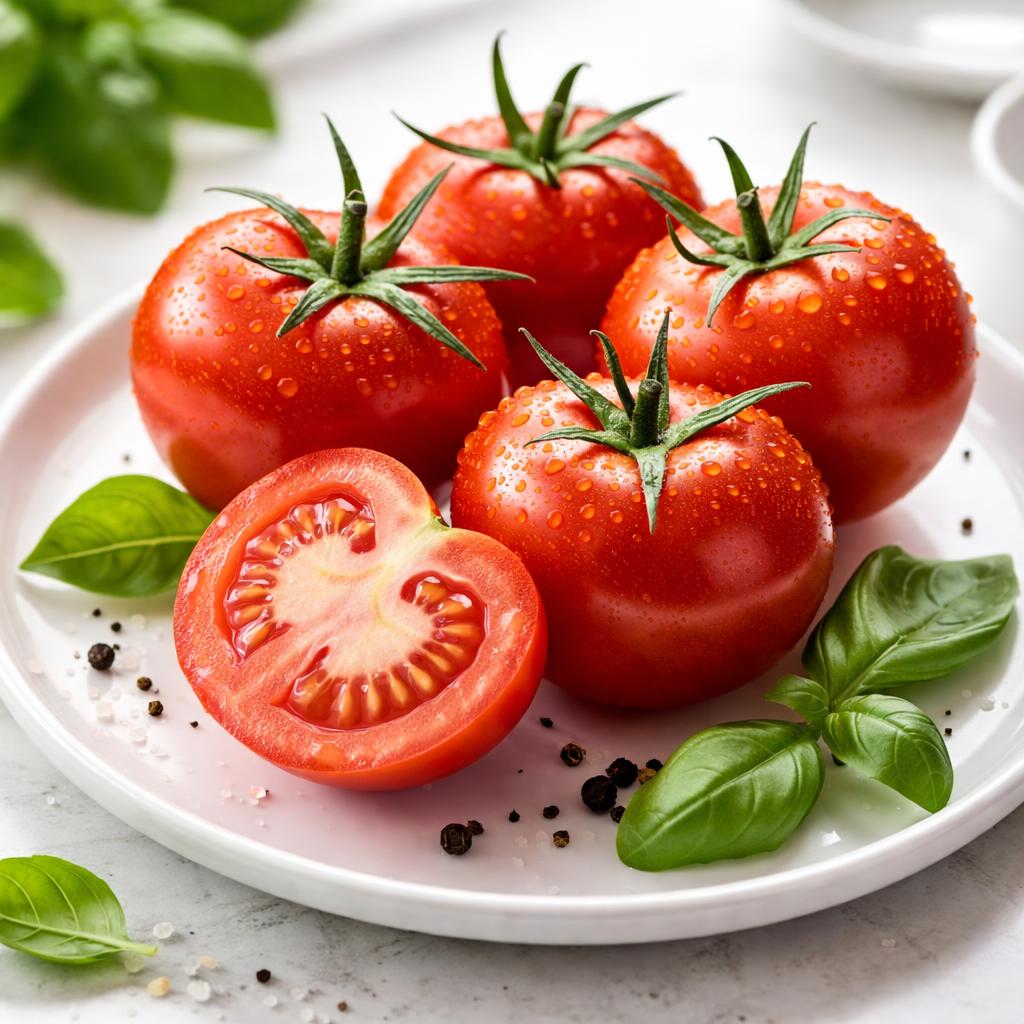
Tomato
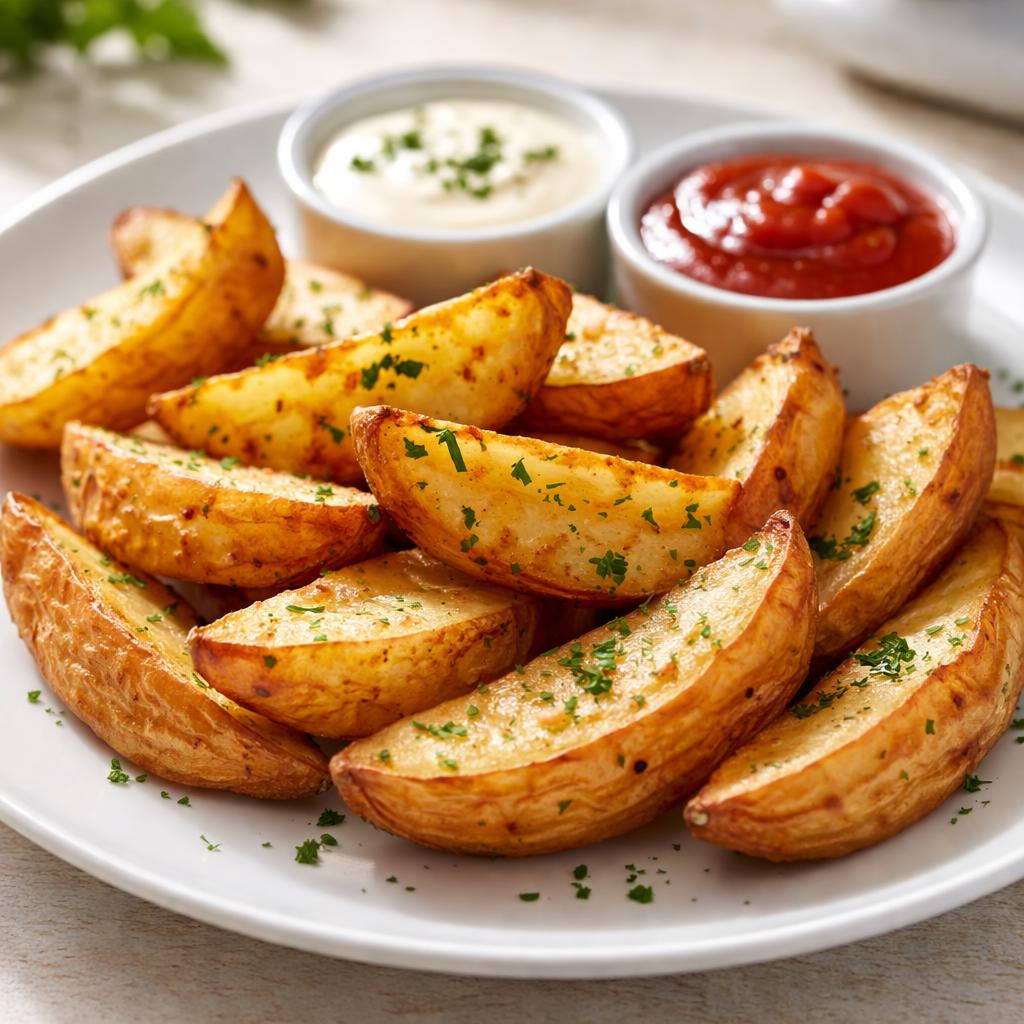
Potato Wedges
🎯 Quick Verdict
Tomatoes and potato wedges serve very different nutritional roles. Tomatoes are low in calories, high in fiber, and rich in vitamins like Vitamin C, making them ideal for lighter meals and snacking. Potato wedges are heavier, offering more carbohydrates and energy for active lifestyles or post-workout recovery. Choose tomatoes for weight loss goals and potato wedges for quick energy boosts.

Smart Nutrition Tracking with SnapCalorie

📊 Nutritional Comparison
Macronutrients
| Nutrient | Food 1 | Food 2 | Winner |
|---|---|---|---|
| Calories | 18 | 150 | ✓ |
| Protein | 0.9g | 2g | − |
| Carbs | 3.9g | 22g | ✓ |
| Fat | 0.2g | 6g | ✓ |
| Fiber | 1.2g | 1g | ✓ |
Vitamins & Minerals
| Nutrient | Food 1 | Food 2 | Winner |
|---|---|---|---|
| Vitamin C | 13.7mg | 8mg | ✓ |
| Potassium | 237mg | 410mg | ✓ |
| Iron | 0.3mg | 0.6mg | ✓ |
🏆 Category Winners
Protein
Both foods have low protein content, less than 3g per serving.
Fiber
Tomatoes provide slightly more dietary fiber per serving than potato wedges.
Calories
Tomatoes contain significantly fewer calories, at just 18 per serving compared to 150 for potato wedges.
Vitamins
Tomatoes are richer in Vitamin C, though potato wedges offer higher potassium and iron.
🥗 Diet Compatibility
Keto
Food 1: Not Compatible
Food 2: Not Compatible
Both foods are relatively high in carbohydrates.
Vegan
Food 1: Compatible
Food 2: Compatible
Both foods are plant-based and suitable for vegan diets.
Gluten Free
Food 1: Compatible
Food 2: Compatible
Neither food contains gluten.
Paleo
Food 1: Compatible
Food 2: Not Compatible
Tomatoes fit within paleo guidelines, while potato wedges often contain processed ingredients.
Low Carb
Food 1: Compatible
Food 2: Not Compatible
Tomatoes are lower in carbs compared to potato wedges.
💪 Health Benefits Comparison
Food 1 Benefits
- Rich in Vitamin C for immune support
- Low calorie and high fiber for weight management
- Contains antioxidants like lycopene for cancer prevention
- Hydrating due to high water content
Food 2 Benefits
- Provides quick energy due to high carbohydrate content
- Rich in potassium for maintaining muscle and nerve function
- Source of iron for supporting red blood cell production
- Contains healthy fats (if baked with olive oil) for heart health
✅ The Bottom Line
Tomatoes are an excellent choice for low-calorie, nutrient-packed meals and snacks, especially if weight management or overall health is a priority. Potato wedges deliver energy and minerals, making them better suited for active individuals needing a satisfying, filling option. Both have their place depending on your dietary goals.
Choose Food 1 for: Weight loss, light snacking, salads
Choose Food 2 for: Post-workout, quick energy, side dish


