Tomato VS Poha
A detailed nutritional comparison
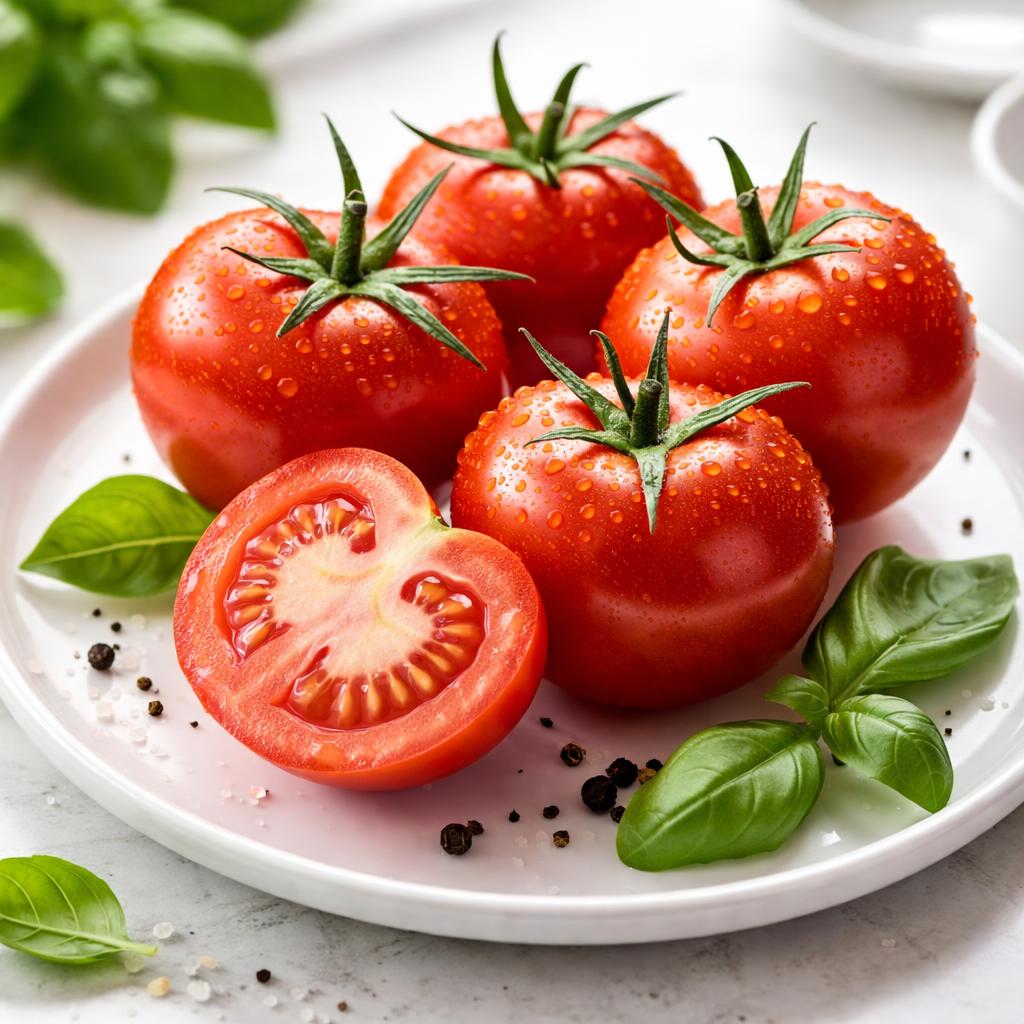
Tomato
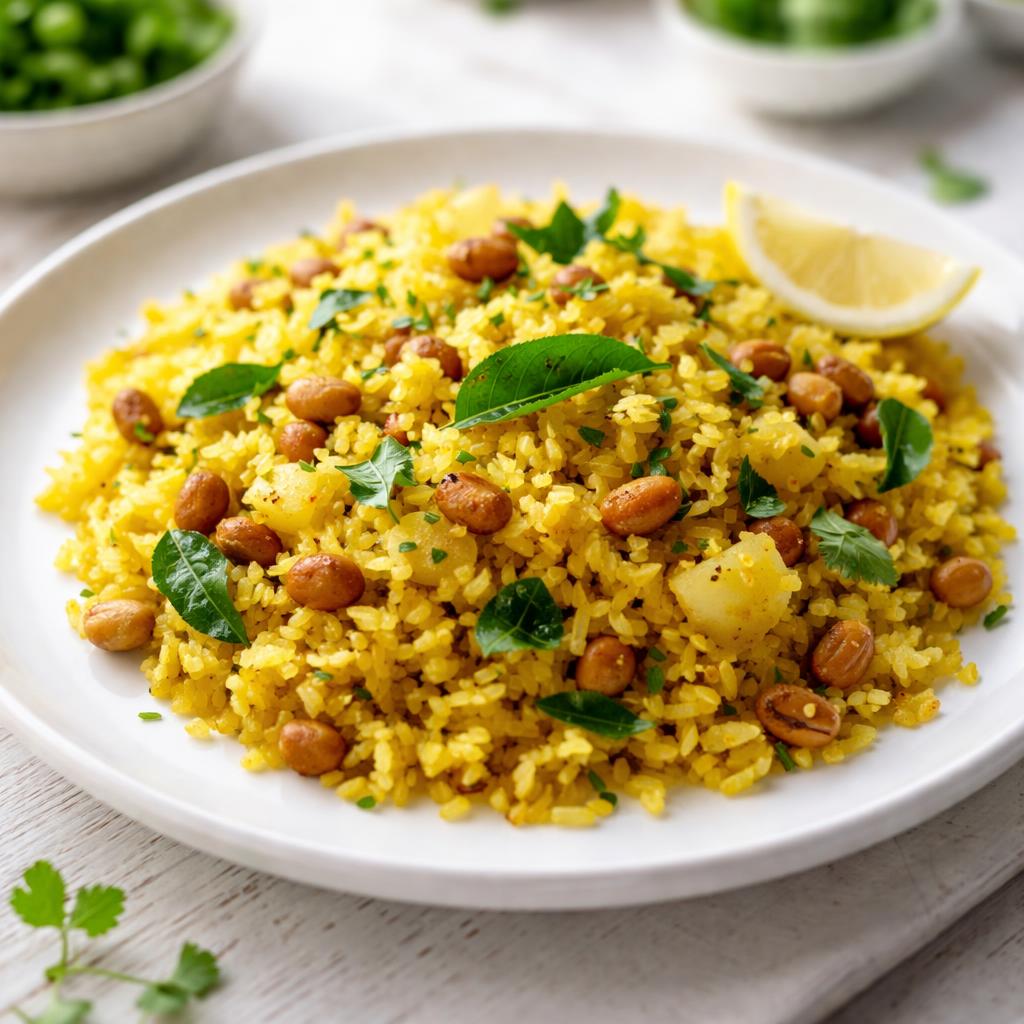
Poha
🎯 Quick Verdict
Tomatoes are lower in calories and higher in fiber, making them ideal for weight loss and improving digestion. Poha, while higher in calories, provides more protein and carbs, making it a better source of sustained energy. Both foods offer valuable nutrients for balanced nutrition.

Smart Nutrition Tracking with SnapCalorie

📊 Nutritional Comparison
Macronutrients
| Nutrient | Food 1 | Food 2 | Winner |
|---|---|---|---|
| Calories | 18 | 130 | − |
| Protein | 0.9g | 2.6g | − |
| Carbs | 3.9g | 27.9g | − |
| Fat | 0.2g | 0.4g | − |
| Fiber | 1.2g | 0.9g | − |
Vitamins & Minerals
| Nutrient | Food 1 | Food 2 | Winner |
|---|---|---|---|
| Vitamin C | 13.7mg | 0.5mg | − |
| Vitamin A | 42mcg | 0mcg | − |
| Calcium | 10mg | 13mg | − |
| Iron | 0.3mg | 1mg | − |
🏆 Category Winners
Protein
Poha has nearly 3 times the protein of tomato per serving.
Fiber
Tomato provides 33% more fiber than poha per serving.
Calories
Tomato has significantly fewer calories per serving compared to poha.
Vitamins
Tomato is richer in vitamins, especially Vitamin C and A.
🥗 Diet Compatibility
Keto
Food 1: Not Compatible
Food 2: Compatible
Tomato is moderately low-carb but exceeds strict keto limits; poha is higher in carbs and fits only modified keto diets.
Vegan
Food 1: Compatible
Food 2: Compatible
Both foods are plant-based.
Gluten Free
Food 1: Compatible
Food 2: Compatible
Neither food contains gluten inherently.
Paleo
Food 1: Compatible
Food 2: Not Compatible
Tomato fits paleo guidelines; poha, being processed rice, contradicts paleo principles.
Low-Carb
Food 1: Compatible
Food 2: Not Compatible
Tomato is low-carb with 3.9g per serving, while poha has nearly 28g of carbs.
💪 Health Benefits Comparison
Food 1 Benefits
- Rich in antioxidants like lycopene for heart health.
- High in Vitamin C to support immunity and skin health.
- Low-calorie option ideal for weight management.
- Contains fiber to aid in digestion.
Food 2 Benefits
- Provides sustained energy due to complex carbs.
- Rich in iron for better oxygen transport and reduced fatigue.
- Low in fat and easy to digest, making it light on the stomach.
- Source of essential minerals like calcium for bone health.
✅ The Bottom Line
Choose tomatoes for low-calorie, high-vitamin, and high-fiber needs—ideal for weight management and digestive health. Pick poha for energy and moderate protein intake during breakfast or as a light main dish. Both foods complement each other in a balanced diet.
Choose Food 1 for: Weight loss, improving digestion, immune support.
Choose Food 2 for: Quick, light meals; sustained energy and iron intake.


