Tomato VS Orange Chicken
A detailed nutritional comparison
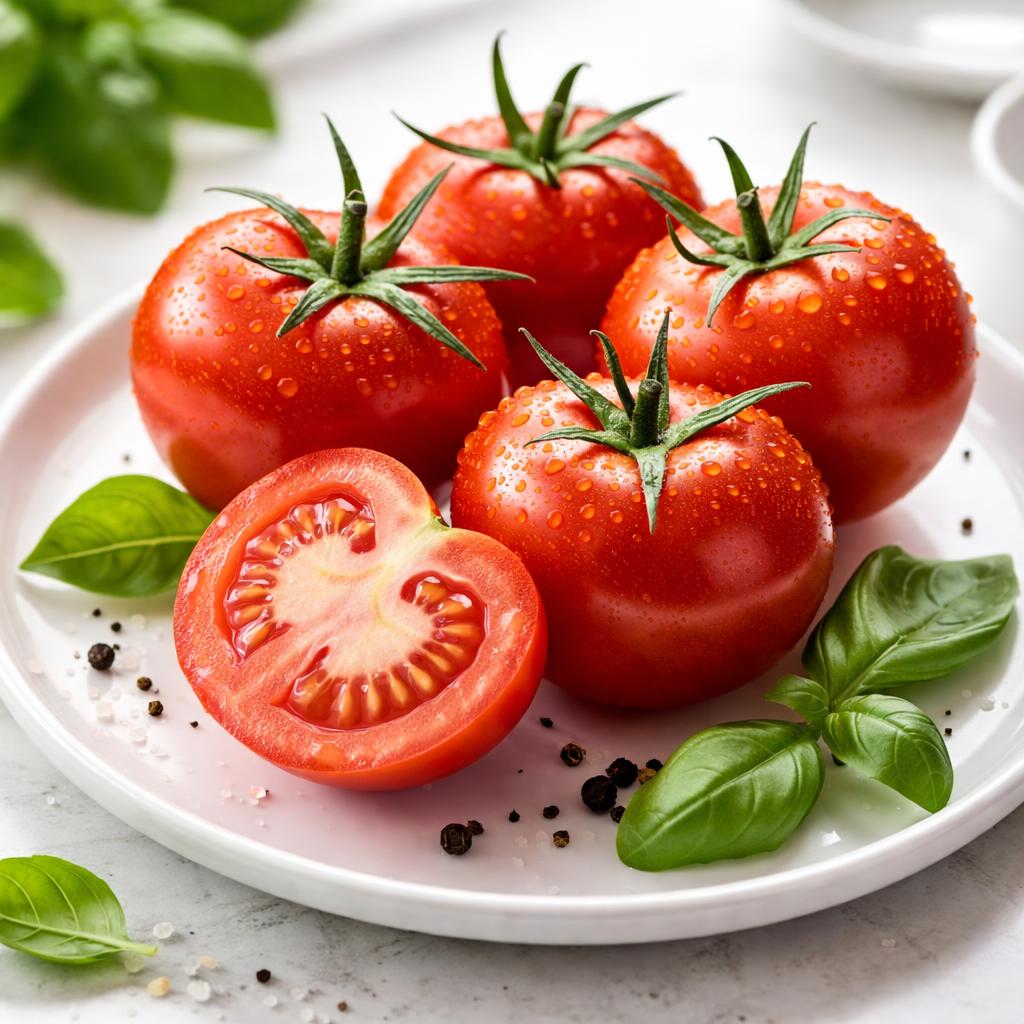
Tomato
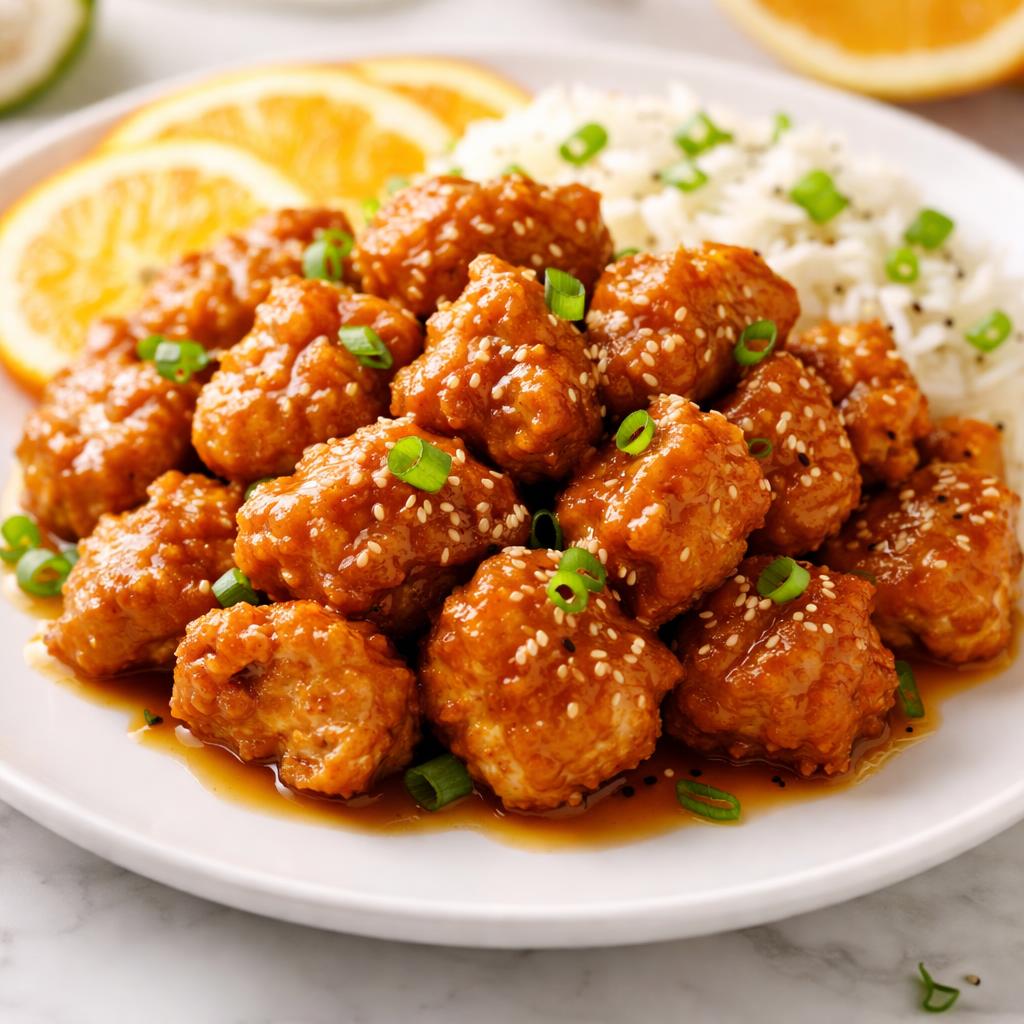
Orange Chicken
🎯 Quick Verdict
Tomatoes are a lower calorie, nutrient-dense food with high fiber and vitamin content, making them ideal for healthy and weight-conscious diets. Orange chicken, on the other hand, is calorie-rich and provides more protein but is high in added sugars and fats, making it better suited for energy-intensive diets rather than weight management plans.

Smart Nutrition Tracking with SnapCalorie

📊 Nutritional Comparison
Macronutrients
| Nutrient | Food 1 | Food 2 | Winner |
|---|---|---|---|
| Calories | 18 per 100g | 250 per 100g | ✓ |
| Protein | 0.9g per 100g | 12g per 100g | ✓ |
| Carbs | 3.9g per 100g | 22g per 100g | ✓ |
| Fat | 0.2g per 100g | 11g per 100g | ✓ |
| Fiber | 1.2g per 100g | 0.5g per 100g | ✓ |
Vitamins & Minerals
| Nutrient | Food 1 | Food 2 | Winner |
|---|---|---|---|
| Vitamin C | 13.7mg per 100g | 2mg per 100g | ✓ |
| Vitamin A | 833 IU per 100g | 50 IU per 100g | ✓ |
| Potassium | 237mg per 100g | 180mg per 100g | ✓ |
🏆 Category Winners
Protein
Orange chicken contains significantly more protein, suitable for muscle recovery.
Fiber
Tomato provides over double the fiber content of orange chicken per serving.
Calories
Tomato is over 10 times lower in calories than orange chicken.
Vitamins
Tomatoes offer higher levels of essential vitamins such as vitamin C and A.
🥗 Diet Compatibility
Keto
Food 1: Compatible
Food 2: Not Compatible
Tomatoes are low in carbs; orange chicken contains high sugar and carbs.
Vegan
Food 1: Compatible
Food 2: Not Compatible
Tomatoes are plant-based; orange chicken contains meat and sauces not vegan-friendly.
Gluten Free
Food 1: Compatible
Food 2: Not Compatible
Tomatoes are naturally gluten-free; orange chicken likely contains gluten in breading and sauces.
Paleo
Food 1: Compatible
Food 2: Not Compatible
Tomatoes fit paleo diets; orange chicken contains processed ingredients incompatible with paleo principles.
Low-Carb
Food 1: Compatible
Food 2: Not Compatible
Tomatoes are low-carb (3.9g); orange chicken is carb-heavy (22g per 100g).
💪 Health Benefits Comparison
Food 1 Benefits
- Rich in antioxidants, including lycopene, benefiting heart health.
- Low-calorie and high-fiber, promoting weight management and digestion.
- Source of vitamin C, enhancing immunity and skin health.
Food 2 Benefits
- Offers high protein content for muscle maintenance and repair.
- Contains fats providing energy for active individuals.
- Provides sodium and potassium for electrolyte balance.
✅ The Bottom Line
Tomatoes are the better choice for health-conscious eaters due to their lower calorie count, higher fiber, and nutrient density. Orange chicken is suitable for occasional indulgence or those prioritizing higher protein intake but is less compatible with weight management or low-carb diets.
Choose Food 1 for: Weight loss, vegan diets, nutrient-rich snacking.
Choose Food 2 for: High-calorie, high-protein post-workout meal or occasional indulgence.


