Tomato VS Onions
A detailed nutritional comparison
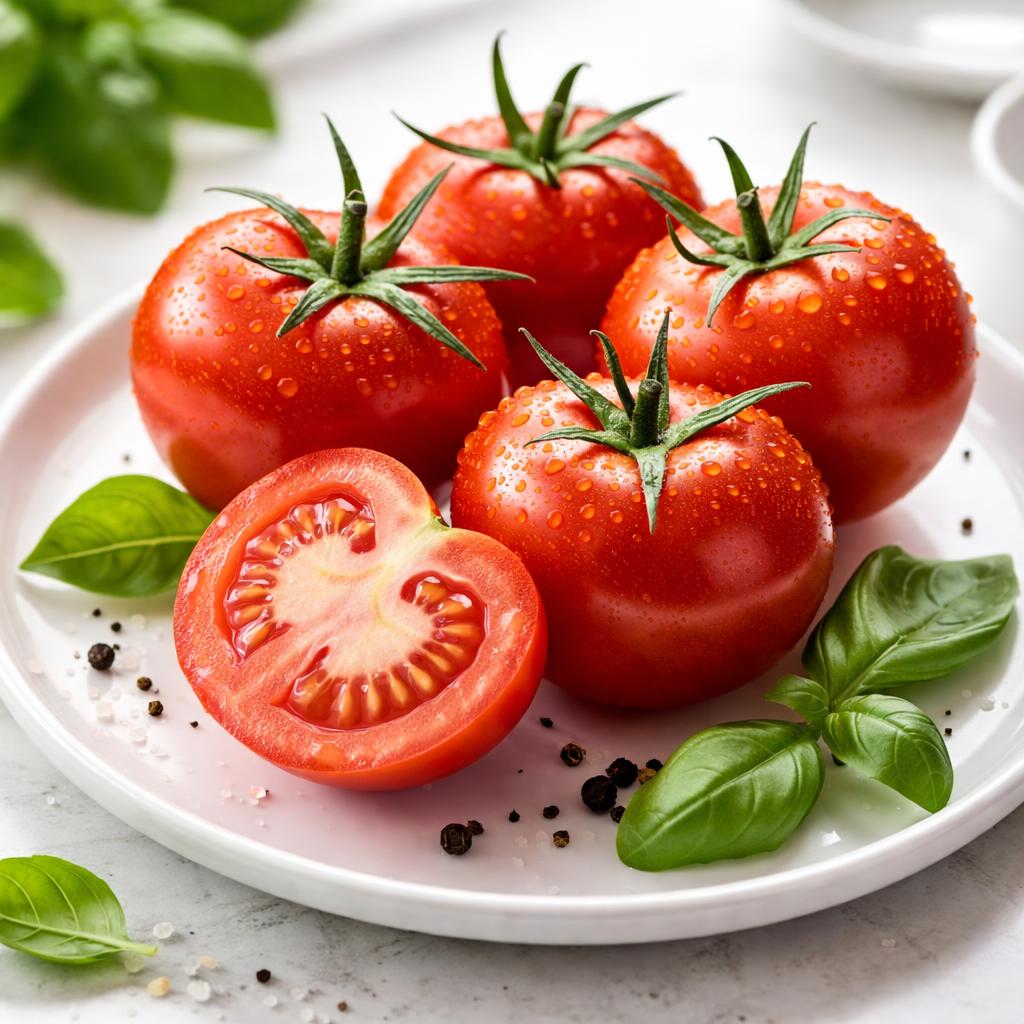
Tomato
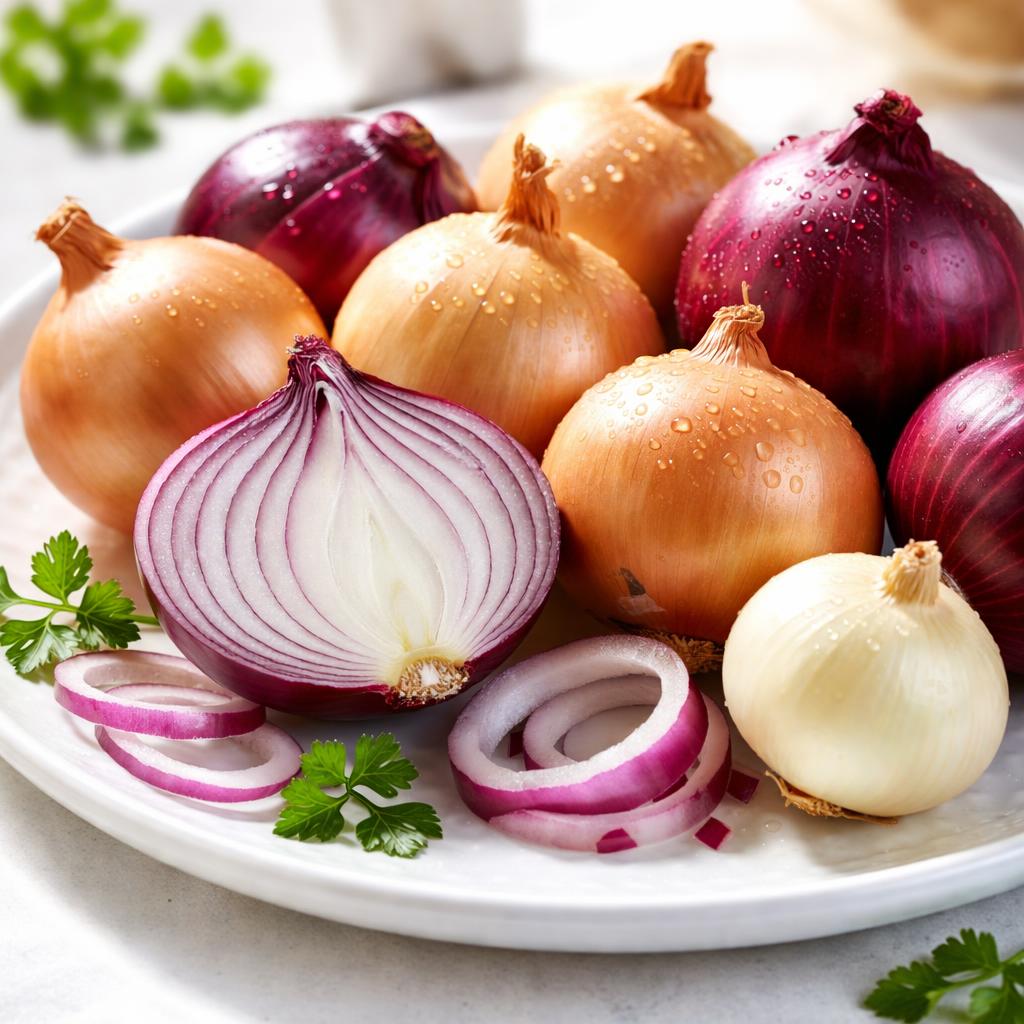
Onions
🎯 Quick Verdict
Tomatoes and onions are both versatile, nutrient-rich vegetables that bring unique benefits to your diet. Tomatoes are lower in calories and richer in vitamin C and potassium, making them great for hydration and immune health. Onions provide more fiber and antioxidants, contributing to gut and heart health. Each has its distinct role in culinary and health applications.

Smart Nutrition Tracking with SnapCalorie

📊 Nutritional Comparison
Macronutrients
| Nutrient | Food 1 | Food 2 | Winner |
|---|---|---|---|
| Calories | 18 | 40 | ✓ |
| Protein | 0.9g | 1g | ✓ |
| Carbs | 3.9g | 9g | ✓ |
| Fat | 0.2g | 0.1g | ✓ |
| Fiber | 1.2g | 1.7g | ✓ |
Vitamins & Minerals
| Nutrient | Food 1 | Food 2 | Winner |
|---|---|---|---|
| Vitamin C | 13.7mg | 7.4mg | ✓ |
| Potassium | 237mg | 146mg | ✓ |
| Vitamin A | 833 IU | 2 IU | ✓ |
| Iron | 0.3mg | 0.2mg | ✓ |
🏆 Category Winners
Protein
Onions have marginally more protein (1g vs. 0.9g).
Fiber
Onions provide 42% more fiber than tomatoes (1.7g vs. 1.2g).
Calories
Tomatoes are much lower in calories (18 vs. 40 per 100g).
Vitamins
Tomatoes lead in vitamin C, vitamin A, and potassium levels.
🥗 Diet Compatibility
Keto
Food 1: Moderately Compatible
Food 2: Moderately Compatible
Both are low in carbs but not as low as typical keto vegetables like spinach.
Vegan
Food 1: Compatible
Food 2: Compatible
Both are plant-based and suitable for vegan diets.
Gluten Free
Food 1: Compatible
Food 2: Compatible
Neither contains gluten.
Paleo
Food 1: Compatible
Food 2: Compatible
Both are unprocessed, whole foods suitable for paleo diets.
Low-Carb
Food 1: More Compatible
Food 2: Less Compatible
Tomatoes are lower in carbs (3.9 vs. 9g per 100g).
💪 Health Benefits Comparison
Food 1 Benefits
- Excellent source of vitamin C for immune health.
- Rich in potassium for heart health and muscle function.
- Contains lycopene, an antioxidant that may help prevent certain cancers.
Food 2 Benefits
- High in fiber for digestive health.
- Contains quercetin and sulfur compounds for heart health and anti-inflammatory effects.
- Provides antioxidants for protecting cells from damage.
✅ The Bottom Line
If you're aiming for fewer calories and higher vitamin content, choose tomatoes. If you need more fiber or antioxidants, onions are a better fit. Both are excellent in balanced diets and provide unique nutritional profiles.
Choose Food 1 for: Immune health, hydration, weight loss, vitamin A support
Choose Food 2 for: Gut health, heart health, antioxidant support


