Tomato VS Onion
A detailed nutritional comparison
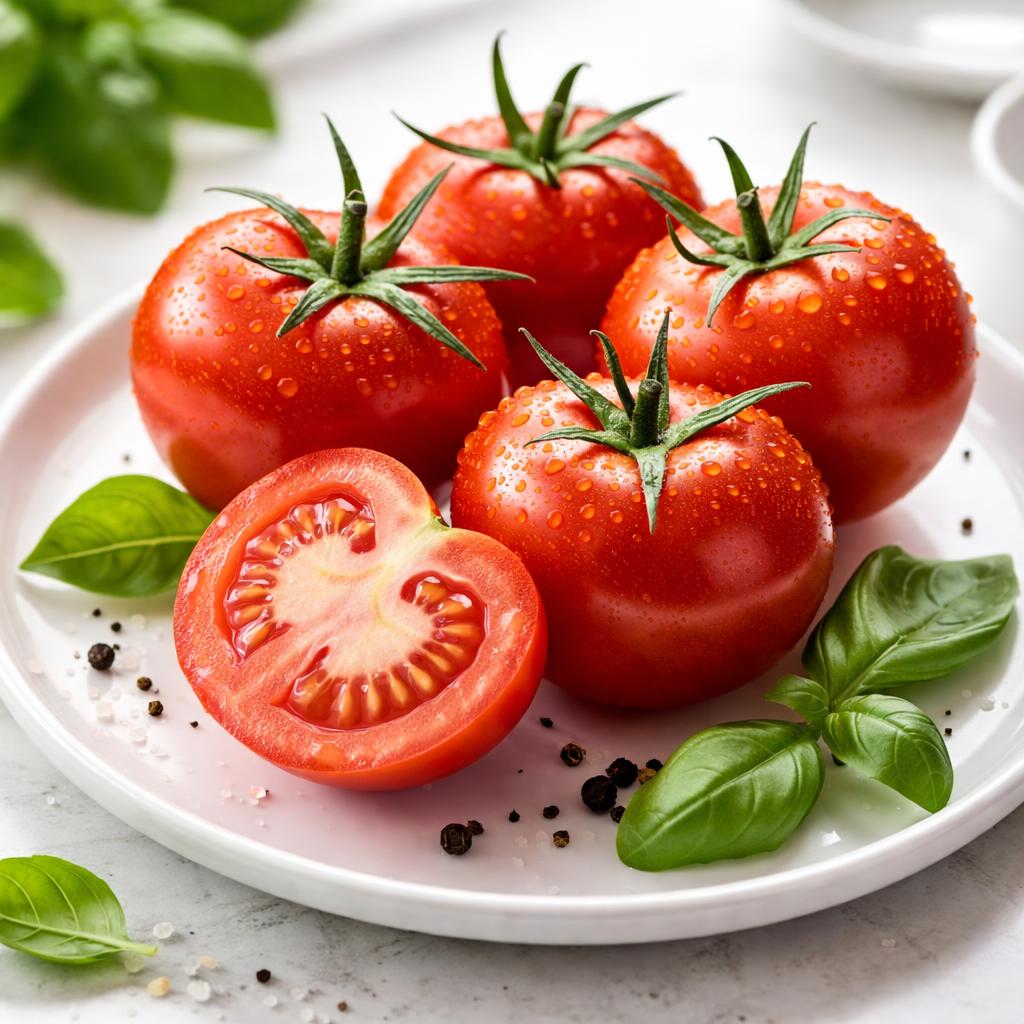
Tomato
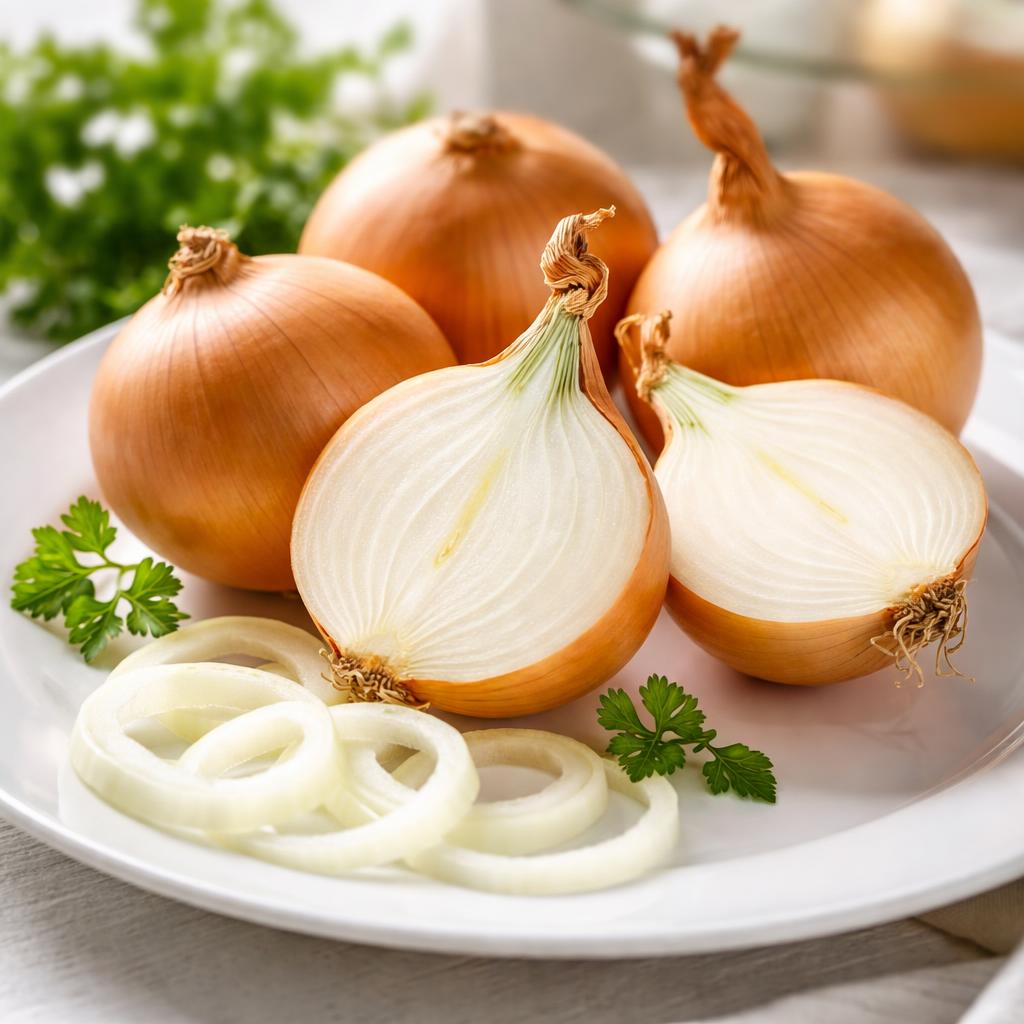
Onion
🎯 Quick Verdict
Tomatoes and onions are both nutrient-dense foods with unique strengths. Tomatoes offer slightly more protein and vitamin C, making them great for immune support. Onions are richer in fiber and antioxidants, beneficial for digestion and heart health. Both are low in calories and versatile for various diets like vegan and keto plans.

Smart Nutrition Tracking with SnapCalorie

📊 Nutritional Comparison
Macronutrients
| Nutrient | Food 1 | Food 2 | Winner |
|---|---|---|---|
| Calories | 18 per 100g | 40 per 100g | − |
| Protein | 0.9g per 100g | 1.1g per 100g | − |
| Carbs | 3.9g per 100g | 9.3g per 100g | − |
| Fat | 0.2g per 100g | 0.1g per 100g | − |
| Fiber | 1.2g per 100g | 1.7g per 100g | − |
Vitamins & Minerals
| Nutrient | Food 1 | Food 2 | Winner |
|---|---|---|---|
| Vitamin C | 13.7mg per 100g | 7.4mg per 100g | − |
| Vitamin A | 833 IU per 100g | 0 IU per 100g | − |
| Vitamin B6 | 0.08mg per 100g | 0.12mg per 100g | − |
| Potassium | 237mg per 100g | 146mg per 100g | − |
🏆 Category Winners
Protein
Onion provides slightly more protein per 100g.
Fiber
Onion has 42% more fiber, aiding digestion.
Calories
Tomato is lower-calorie, ideal for weight management.
Vitamins
Tomato is richer in key vitamins like C and A.
🥗 Diet Compatibility
Keto
Food 1: Unknown
Food 2: Unknown
Tomatoes are low in carbs (3.9g) while onions have a higher carb content (9.3g).
Vegan
Food 1: Unknown
Food 2: Unknown
Both are plant-based foods suitable for vegan diets.
Gluten Free
Food 1: Unknown
Food 2: Unknown
Neither contains gluten, making both safe for gluten-free eating.
Paleo
Food 1: Unknown
Food 2: Unknown
Both adhere to paleo guidelines as whole, unprocessed foods.
Low-Carb
Food 1: Unknown
Food 2: Unknown
Tomatoes are low in carbs, while onions should be consumed in moderation due to higher carb content.
💪 Health Benefits Comparison
Food 1 Benefits
Food 2 Benefits
✅ The Bottom Line
Choose tomatoes for vitamin C and A boost, low-calorie meals, and immune support. Opt for onions when fiber and antioxidants are priorities, especially for digestion and heart health. Both are versatile and compatible with most diets.


