Tomato VS Mini Cucumber
A detailed nutritional comparison
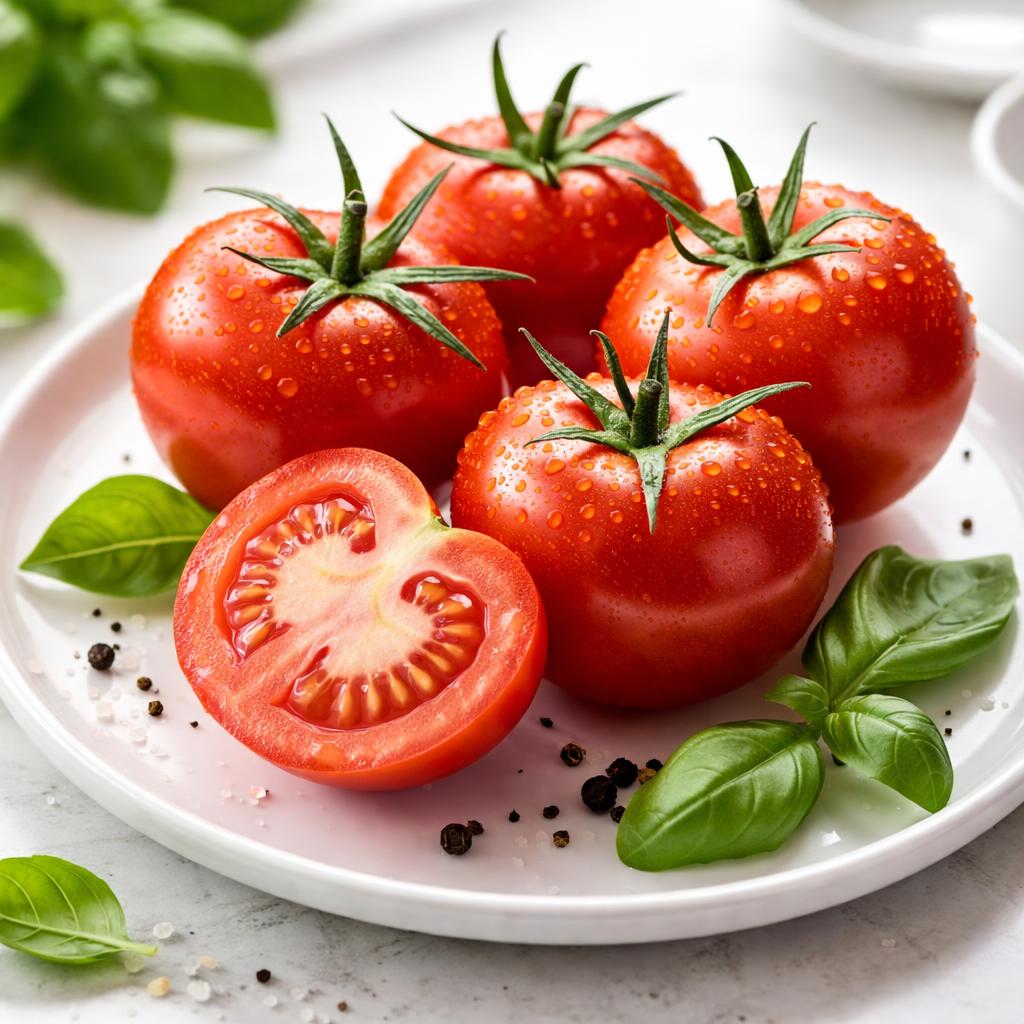
Tomato
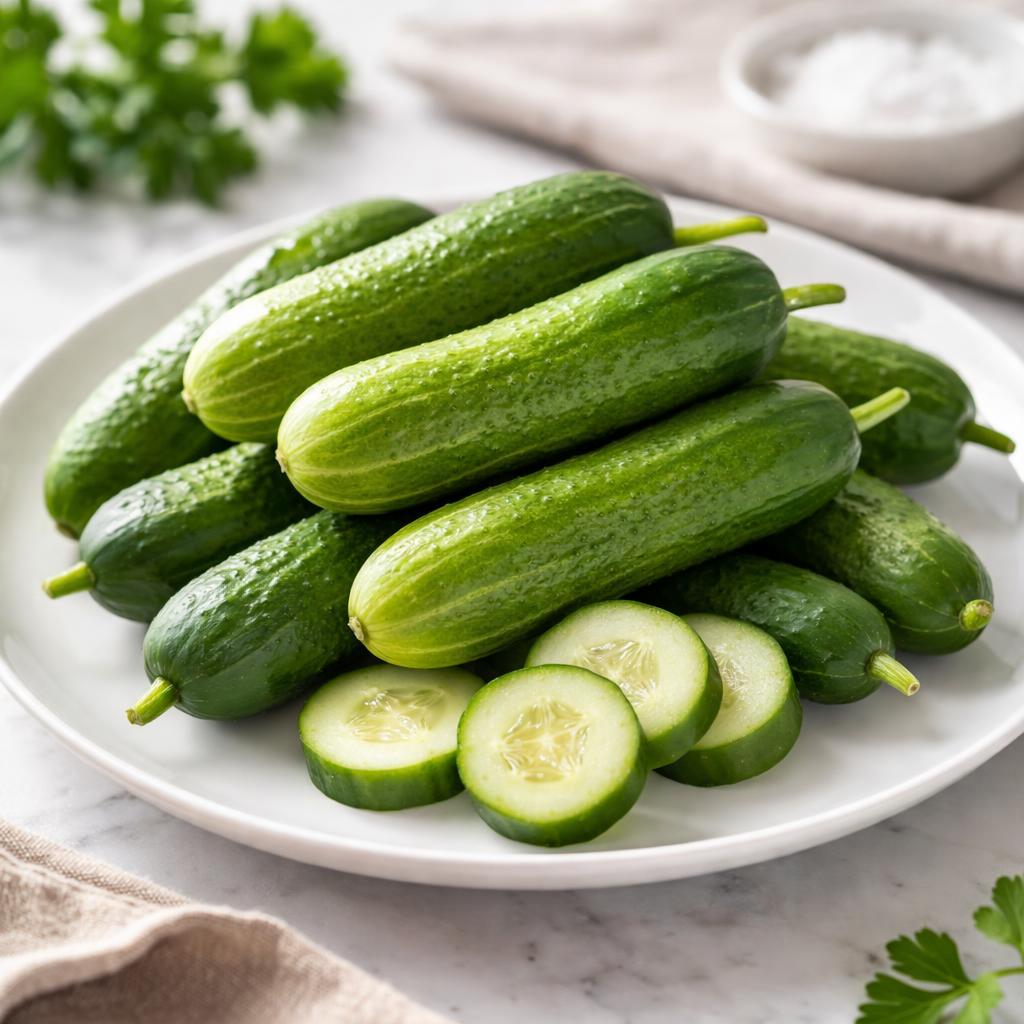
Mini Cucumber
🎯 Quick Verdict
Tomatoes are higher in fiber and vitamin C, making them a great option for digestion and immune support, while mini cucumbers are slightly richer in hydration due to their higher water content. Both foods are low in calories and versatile as healthy snacks or salad ingredients.

Smart Nutrition Tracking with SnapCalorie

📊 Nutritional Comparison
Macronutrients
| Nutrient | Food 1 | Food 2 | Winner |
|---|---|---|---|
| Calories | 18 per 100g | 15 per 100g | − |
| Protein | 0.9g per 100g | 0.7g per 100g | − |
| Carbs | 3.9g per 100g | 3.6g per 100g | − |
| Fat | 0.2g per 100g | 0.1g per 100g | ✓ |
| Fiber | 1.2g per 100g | 0.7g per 100g | ✓ |
Vitamins & Minerals
| Nutrient | Food 1 | Food 2 | Winner |
|---|---|---|---|
| Vitamin C | 18mg per 100g | 3mg per 100g | ✓ |
| Potassium | 237mg per 100g | 147mg per 100g | ✓ |
| Vitamin K | 7.9mcg per 100g | 16.4mcg per 100g | ✓ |
🏆 Category Winners
Protein
Both foods contain nearly the same amount of protein per serving.
Fiber
Tomatoes provide nearly double the fiber compared to mini cucumbers.
Calories
Both foods are low-calorie and ideal for weight management.
Vitamins
Tomatoes excel in vitamin C and potassium content.
🥗 Diet Compatibility
Keto
Food 1: Compatible
Food 2: Compatible
Both foods are low-carb and can fit into keto diets.
Vegan
Food 1: Compatible
Food 2: Compatible
Both are plant-based and suitable for vegan diets.
Gluten Free
Food 1: Compatible
Food 2: Compatible
Neither food contains gluten, making them safe for gluten-free diets.
Paleo
Food 1: Compatible
Food 2: Compatible
Both foods comply with paleo dietary guidelines.
Low Carb
Food 1: Compatible
Food 2: Compatible
Each serving contains fewer than 4g of carbohydrates.
💪 Health Benefits Comparison
Food 1 Benefits
- Rich in vitamin C for immune system support
- Contains lycopene, a powerful antioxidant for heart health
- Good source of fiber to aid digestion
- Provides potassium for electrolyte balance
Food 2 Benefits
- Extremely hydrating due to high water content
- Low in calories, supportive of weight management
- Provides vitamin K for bone health
- Contains antioxidants for overall health
✅ The Bottom Line
Tomatoes are the better choice for boosting fiber, vitamin C, and potassium intake, while mini cucumbers shine in hydration and bone-supporting vitamin K. Both are nutrient-dense, low-calorie snacks and excellent additions to a healthy diet.
Choose Food 1 for: Immune support, digestive health, antioxidant intake
Choose Food 2 for: Hydration, bone health, light snacking


