Tomato VS Hot Dog
A detailed nutritional comparison
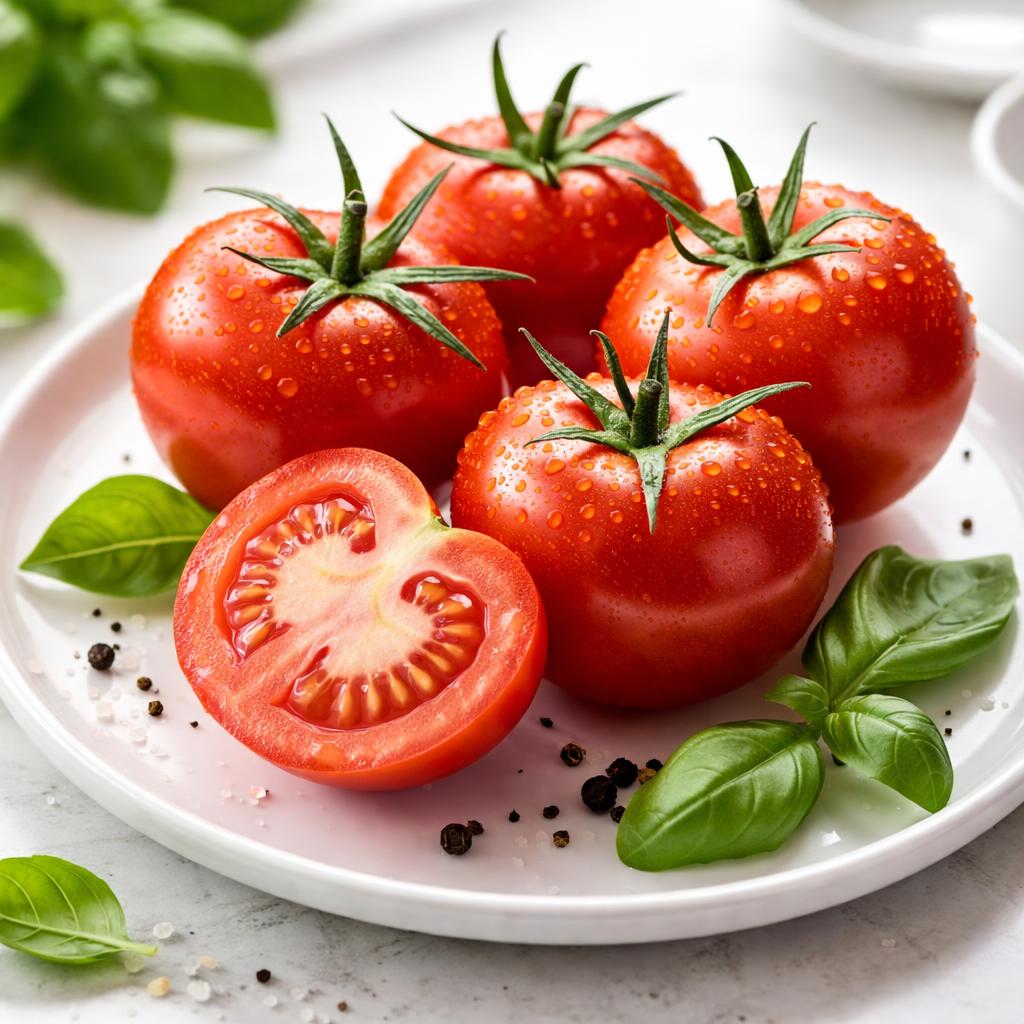
Tomato

Hot Dog
🎯 Quick Verdict
Tomatoes are a nutrient-dense, low-calorie food rich in fiber and vitamins, making them excellent for weight management and overall health. Hot dogs, while high in protein, are calorie-dense and contain more fat, making them better suited for occasional consumption or high-energy needs but less ideal for balanced, health-focused diets.

Smart Nutrition Tracking with SnapCalorie

📊 Nutritional Comparison
Macronutrients
| Nutrient | Food 1 | Food 2 | Winner |
|---|---|---|---|
| Calories | 18 | 150 | ✓ |
| Protein | 0.9g | 5g | ✓ |
| Carbs | 3.9g | 2g | ✓ |
| Fat | 0.2g | 13g | ✓ |
| Fiber | 1.2g | 0g | ✓ |
Vitamins & Minerals
| Nutrient | Food 1 | Food 2 | Winner |
|---|---|---|---|
| Vitamin C | 13.7mg | 0mg | ✓ |
| Vitamin A | 833 IU | 0 IU | ✓ |
| Calcium | 10mg | 15mg | ✓ |
| Iron | 0.3mg | 0.8mg | ✓ |
🏆 Category Winners
Protein
Hot dog contains approximately 5.6 times more protein than tomato.
Fiber
Tomato provides a significant fiber advantage with 1.2g compared to 0g in hot dog.
Calories
Tomato has over 8 times fewer calories than hot dog.
Vitamins
Tomato is far richer in Vitamin C and Vitamin A.
🥗 Diet Compatibility
Keto
Food 1: Not Compatible
Food 2: Compatible
Tomato has higher net carbs, whereas hot dog is low-carb but high fat.
Vegan
Food 1: Compatible
Food 2: Not Compatible
Tomato is plant-based, while hot dog contains animal products.
Gluten Free
Food 1: Compatible
Food 2: Depends
Tomato is naturally gluten-free, but hot dogs may contain fillers with gluten depending on the brand.
Paleo
Food 1: Compatible
Food 2: Not Compatible
Tomato aligns with paleo diets, whereas hot dog processing does not.
Low-Carb
Food 1: Borderline
Food 2: Compatible
Tomato has moderate carbs compared to hot dog's lower carb content.
💪 Health Benefits Comparison
Food 1 Benefits
- Rich source of antioxidants like lycopene for heart health
- Low in calories and high in fiber for weight management
- Boosts immunity due to high Vitamin C content
- Supports eye health with Vitamin A content
Food 2 Benefits
- High in protein for muscle maintenance
- Contains iron for improved oxygen transport in the body
- Provides quick energy due to higher fat content
- Sometimes fortified with nutrients such as calcium
✅ The Bottom Line
Tomatoes are your go-to for a nutrient-dense, low-calorie, and fiber-rich food, ideal for health-conscious individuals and balanced diets. Hot dogs are better suited for occasional indulgence, quick energy, or adding protein to meals but should be consumed in moderation due to their high calorie and fat contents.
Choose Food 1 for: Weight loss, plant-based diets, immune health
Choose Food 2 for: Quick protein boost, energy-intensive meals, occasional enjoyment


