Tomato VS Ham Sandwich
A detailed nutritional comparison
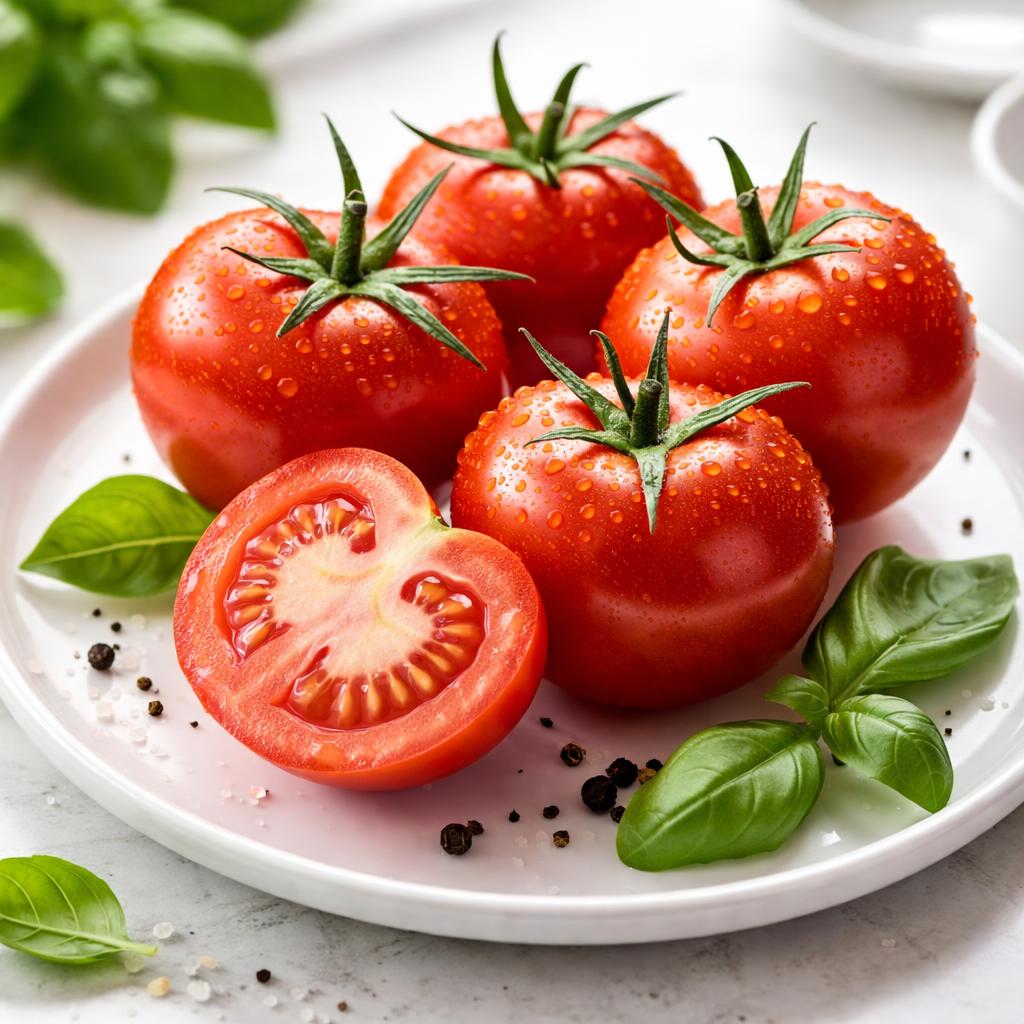
Tomato

Ham Sandwich
🎯 Quick Verdict
Tomatoes are significantly lower in calories and provide more fiber, making them a great option for low-calorie diets. Ham sandwiches have a much higher protein content, along with additional calories and nutrients, making them a better choice for those seeking a satiating, nutrient-dense meal. Both foods have unique roles in a balanced diet depending on individual goals.

Smart Nutrition Tracking with SnapCalorie

📊 Nutritional Comparison
Macronutrients
| Nutrient | Food 1 | Food 2 | Winner |
|---|---|---|---|
| Calories | 22 (medium tomato) | 300 (standard ham sandwich) | ✓ |
| Protein | 1g | 16g | ✓ |
| Carbs | 4.8g | 35g | ✓ |
| Fat | 0.2g | 9g | ✓ |
| Fiber | 1.5g | 2g | ✓ |
Vitamins & Minerals
| Nutrient | Food 1 | Food 2 | Winner |
|---|---|---|---|
| Vitamin C | 17mg | 2mg | ✓ |
| Vitamin A | 1025IU | 320IU | ✓ |
| Iron | 0.3mg | 2.5mg | ✓ |
| Calcium | 10mg | 300mg | ✓ |
🏆 Category Winners
Protein
Ham sandwich has 1500% more protein than tomato.
Fiber
Ham sandwich slightly edges out tomato with 33% more fiber.
Calories
Tomato has 93% fewer calories than ham sandwich.
Vitamins
Tomato is rich in Vitamin C and A compared to ham sandwich.
🥗 Diet Compatibility
Keto
Food 1: Compatible
Food 2: Not Compatible
Tomato is low-carb, whereas ham sandwich is high in carbs (35g per serving).
Vegan
Food 1: Compatible
Food 2: Not Compatible
Tomato is plant-based, but ham sandwich contains meat and possibly dairy.
Gluten Free
Food 1: Compatible
Food 2: Not Compatible
Tomato is naturally gluten-free, but ham sandwich contains bread with gluten.
Paleo
Food 1: Compatible
Food 2: Not Compatible
Tomato is suitable for paleo, while bread in ham sandwich is not paleo-friendly.
Low Carbs
Food 1: Compatible
Food 2: Not Compatible
Tomato is low-carb (4.8g per serving), whereas ham sandwich is high in carbohydrates (35g per serving).
💪 Health Benefits Comparison
Food 1 Benefits
- Rich in Vitamin C to support immune health
- High in antioxidants (e.g., lycopene) for heart and skin health
- Low calorie and hydrating, suitable for weight loss
- Provides dietary fiber for digestion
Food 2 Benefits
- High in protein to support muscle repair and growth
- Provides essential minerals like calcium for bone health
- Rich in iron to prevent anemia and support oxygen transport
- Can be a satiating meal option for energy maintenance
✅ The Bottom Line
Choose tomatoes for low-calorie, low-carb snacking or as an addition to meals, especially if you're focused on hydration and vitamin intake. Ham sandwiches, on the other hand, are perfect for a more filling, protein-rich option, ideal for post-workout recovery or a dense meal on busy days.
Choose Food 1 for: Low-calorie diets, vegan meals, paleo-friendly dishes
Choose Food 2 for: Protein-rich diets, post-workout recovery, nutrient-dense meals


