Tomato VS Ginger
A detailed nutritional comparison
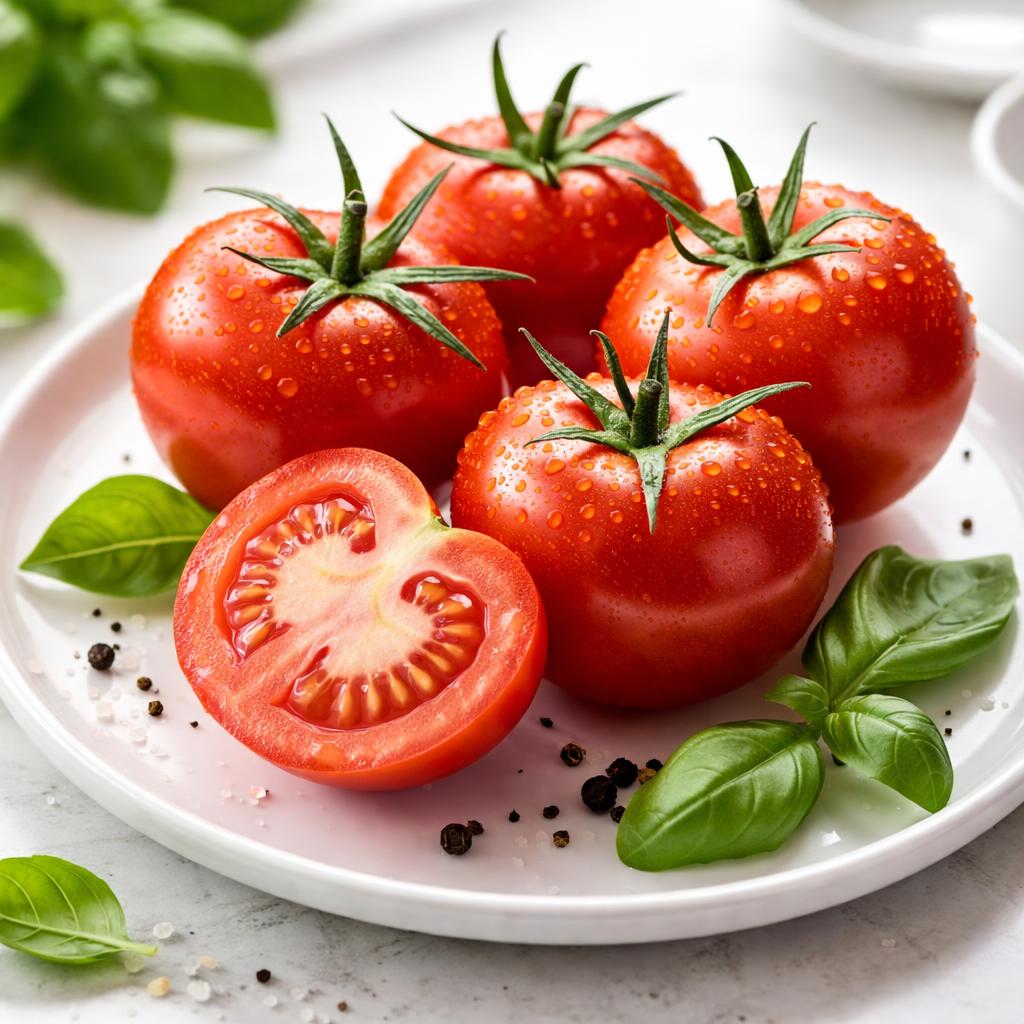
Tomato
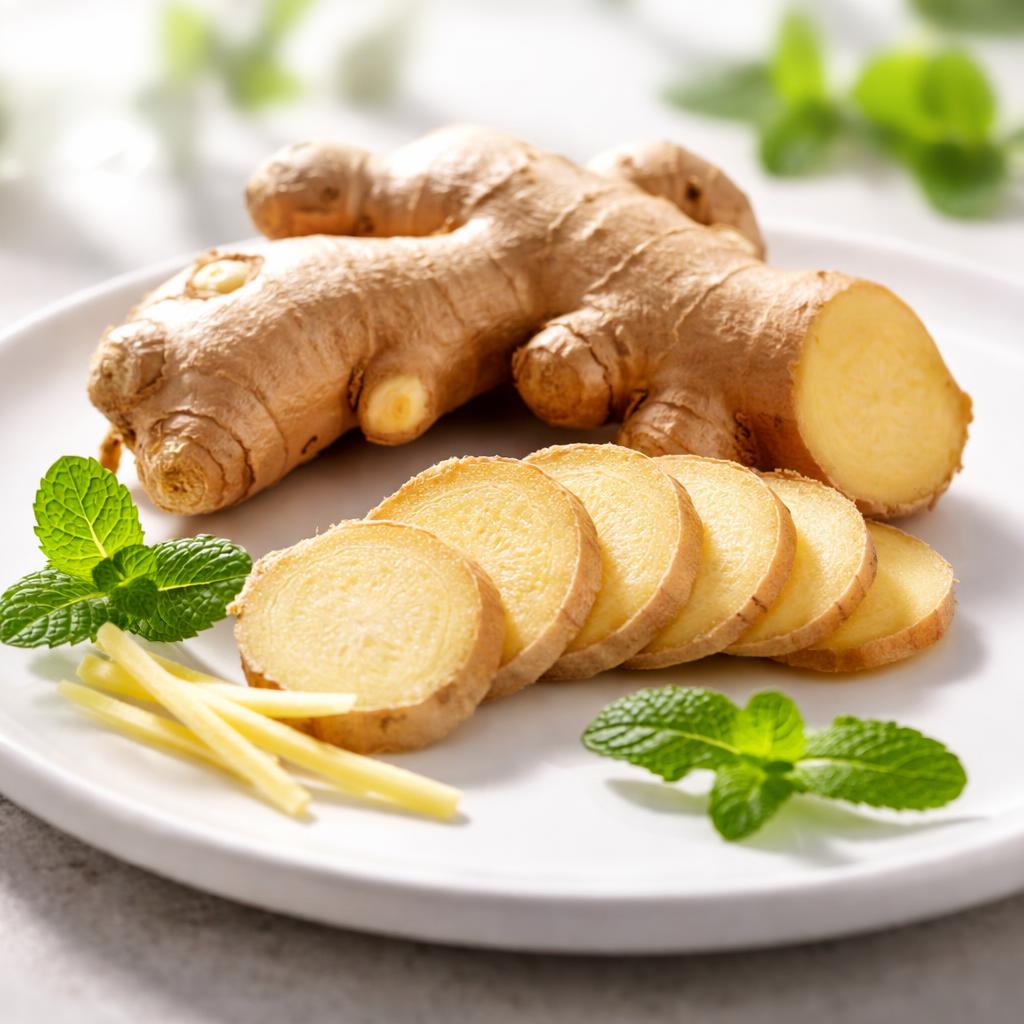
Ginger
🎯 Quick Verdict
Tomatoes and ginger offer unique health benefits and nutritional profiles. Tomatoes are lower in calories, higher in vitamin C, and great for hydration, while ginger shines as a fiber-rich root with anti-inflammatory compounds and slightly more protein. Choose tomatoes for fresh snacks and salads, and ginger for digestive support and flavor enhancement in meals.

Smart Nutrition Tracking with SnapCalorie

📊 Nutritional Comparison
Macronutrients
| Nutrient | Food 1 | Food 2 | Winner |
|---|---|---|---|
| Calories | 18 (per 100g) | 80 (per 100g) | ✓ |
| Protein | 0.9g | 1.8g | ✓ |
| Carbs | 3.9g | 17.8g | ✓ |
| Fat | 0.2g | 0.8g | ✓ |
| Fiber | 1.2g | 2g | ✓ |
Vitamins & Minerals
| Nutrient | Food 1 | Food 2 | Winner |
|---|---|---|---|
| Vitamin C | 23mg | 5mg | ✓ |
| Vitamin A | 833IU | 0IU | ✓ |
| Magnesium | 11mg | 43mg | ✓ |
| Potassium | 237mg | 415mg | ✓ |
| Iron | 0.3mg | 0.6mg | ✓ |
🏆 Category Winners
Protein
Ginger contains 100% more protein per 100g.
Fiber
Ginger provides nearly 1g more fiber than tomatoes.
Calories
Tomatoes are about 77% lower in calories.
Vitamins
Tomatoes excel in vitamin C and A, while ginger contains more magnesium, potassium, and iron.
🥗 Diet Compatibility
Keto
Food 1: Compatible
Food 2: Compatible
Both foods are low in fat and suitable for ketogenic diets when used in moderation.
Vegan
Food 1: Compatible
Food 2: Compatible
Both are plant-based and ideal for vegan diets.
Gluten Free
Food 1: Compatible
Food 2: Compatible
Neither contains gluten.
Paleo
Food 1: Compatible
Food 2: Compatible
Both are unprocessed whole foods suitable for paleo diets.
Low Carb
Food 1: Compatible
Food 2: Moderate
Tomatoes are very low-carb, ideal for low-carb diets, while ginger has moderate carbs, which may require portion control.
💪 Health Benefits Comparison
Food 1 Benefits
- Rich in vitamin C for immune support
- Contains lycopene, an antioxidant supporting heart health
- Low in calories and high in water content for hydration
- Good source of vitamin A for eye health
Food 2 Benefits
- High in fiber for digestive health
- Contains gingerol, which reduces inflammation and nausea
- Rich in potassium for muscle and nerve function
- Supports immunity with iron and antioxidants
✅ The Bottom Line
Tomatoes and ginger excel in different areas. Choose tomatoes for hydration, low calories, and antioxidant-rich snacks, while ginger is great for digestion, anti-inflammatory properties, and flavoring meals. Both are versatile and can complement many diets.
Choose Food 1 for: Weight loss, hydration, fresh salads, antioxidants
Choose Food 2 for: Digestive health, anti-inflammatory diets, cooking and marinades


