Tomato VS Fish Fillet
A detailed nutritional comparison
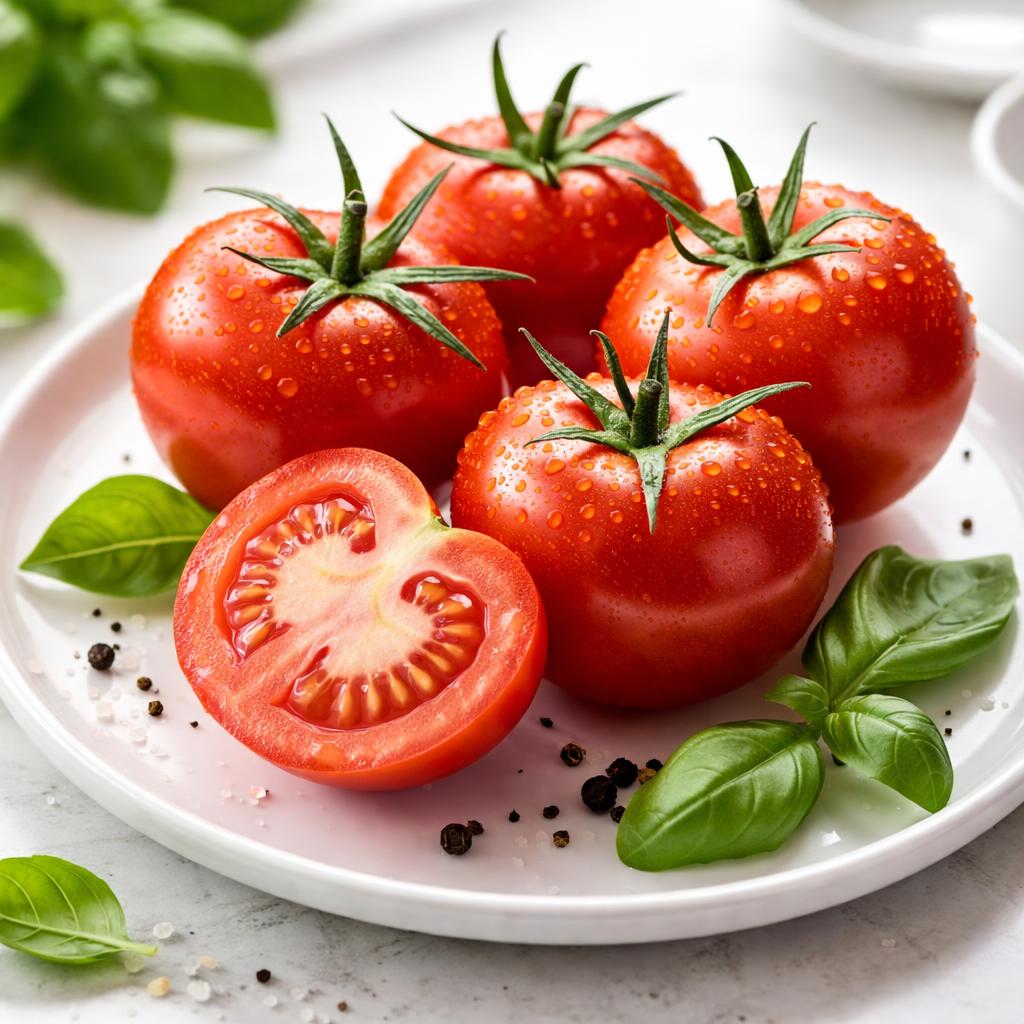
Tomato
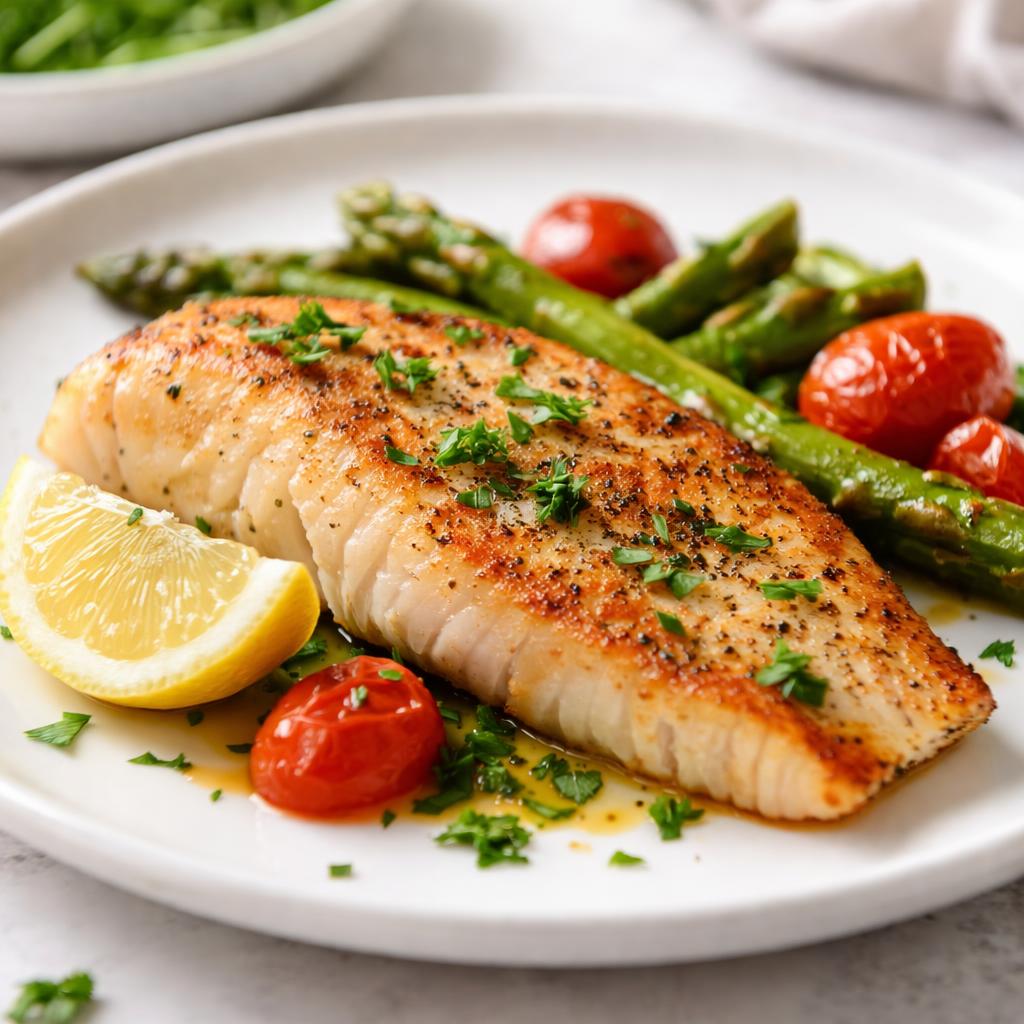
Fish Fillet
🎯 Quick Verdict
Tomatoes are low-calorie, rich in fiber and packed with vitamins such as vitamin C, making them a nutrient-dense option for general health. Fish fillets are significantly higher in protein, omega-3 fats, and important minerals, making them ideal for muscle growth, brain health, and heart support. Choose tomatoes for low-calorie snacks or side dishes, and fish fillets for their protein and healthy fat content in main meals.

Smart Nutrition Tracking with SnapCalorie

📊 Nutritional Comparison
Macronutrients
| Nutrient | Food 1 | Food 2 | Winner |
|---|---|---|---|
| Calories | 18 | 206 | ✓ |
| Protein | 0.9g | 22g | ✓ |
| Carbs | 3.9g | 0g | ✓ |
| Fat | 0.2g | 12g | ✓ |
| Fiber | 1.2g | 0g | ✓ |
Vitamins & Minerals
| Nutrient | Food 1 | Food 2 | Winner |
|---|---|---|---|
| Vitamin C | 13.7mg | 0mg | ✓ |
| Vitamin D | 0mcg | 16mcg | ✓ |
| Calcium | 10mg | 15mg | ✓ |
| Iron | 0.27mg | 0.9mg | ✓ |
🏆 Category Winners
Protein
Fish fillet provides 22g of protein per serving, far exceeding the 0.9g in tomatoes.
Fiber
Tomatoes contain 1.2g of fiber, while fish fillets have none.
Calories
Tomatoes are very low in calories (18 kcal per serving), making them ideal for weight management.
Vitamins
Tomatoes are richer in vitamin C, while fish excels in vitamin D.
🥗 Diet Compatibility
Keto
Food 1: Compatible
Food 2: Compatible
Tomatoes are low-carb and fish is carb-free.
Vegan
Food 1: Compatible
Food 2: Not Compatible
Tomatoes are plant-based, while fish is animal-based.
Gluten Free
Food 1: Compatible
Food 2: Compatible
Neither food contains gluten.
Paleo
Food 1: Compatible
Food 2: Compatible
Both foods align with paleo principles.
Low-Carb
Food 1: Compatible
Food 2: Compatible
Both foods are suitable for low-carb diets.
💪 Health Benefits Comparison
Food 1 Benefits
- Rich in antioxidants for reducing inflammation
- Good source of vitamin C for immune health
- Low-calorie option for weight management
- Supports digestion with dietary fiber
Food 2 Benefits
- High in protein for muscle growth and repair
- Contains omega-3 fatty acids for heart and brain health
- Rich in vitamin D for bone health
- Provides essential minerals like iron and potassium
✅ The Bottom Line
Choose tomatoes for snacks, side dishes, or as part of a fiber-rich, low-calorie meal plan. Fish fillets are ideal for those needing high protein and healthy fats for muscle recovery, brain function, and cardiovascular health. Each food complements different dietary goals.
Choose Food 1 for: Weight loss, general health, snacks
Choose Food 2 for: Muscle building, heart health, main meals


