Tomato VS Curry Sauce
A detailed nutritional comparison
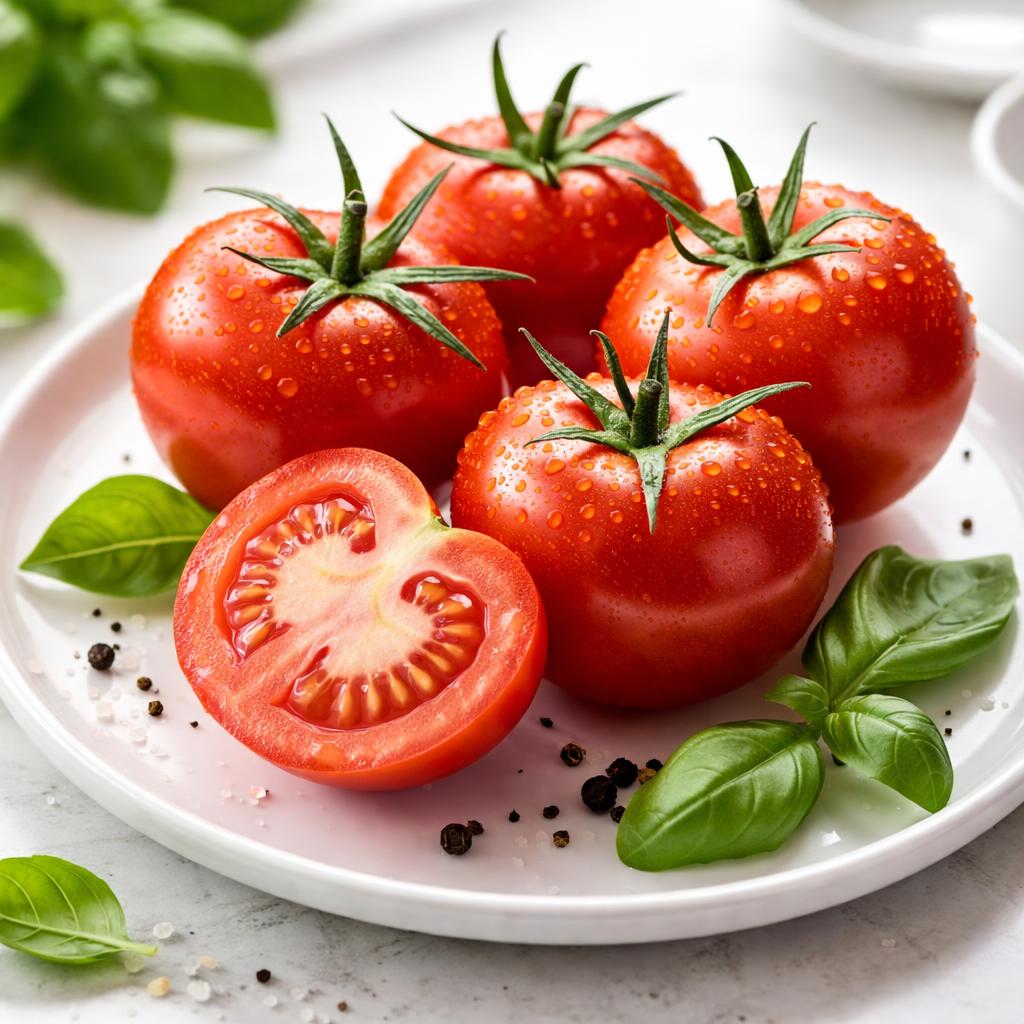
Tomato
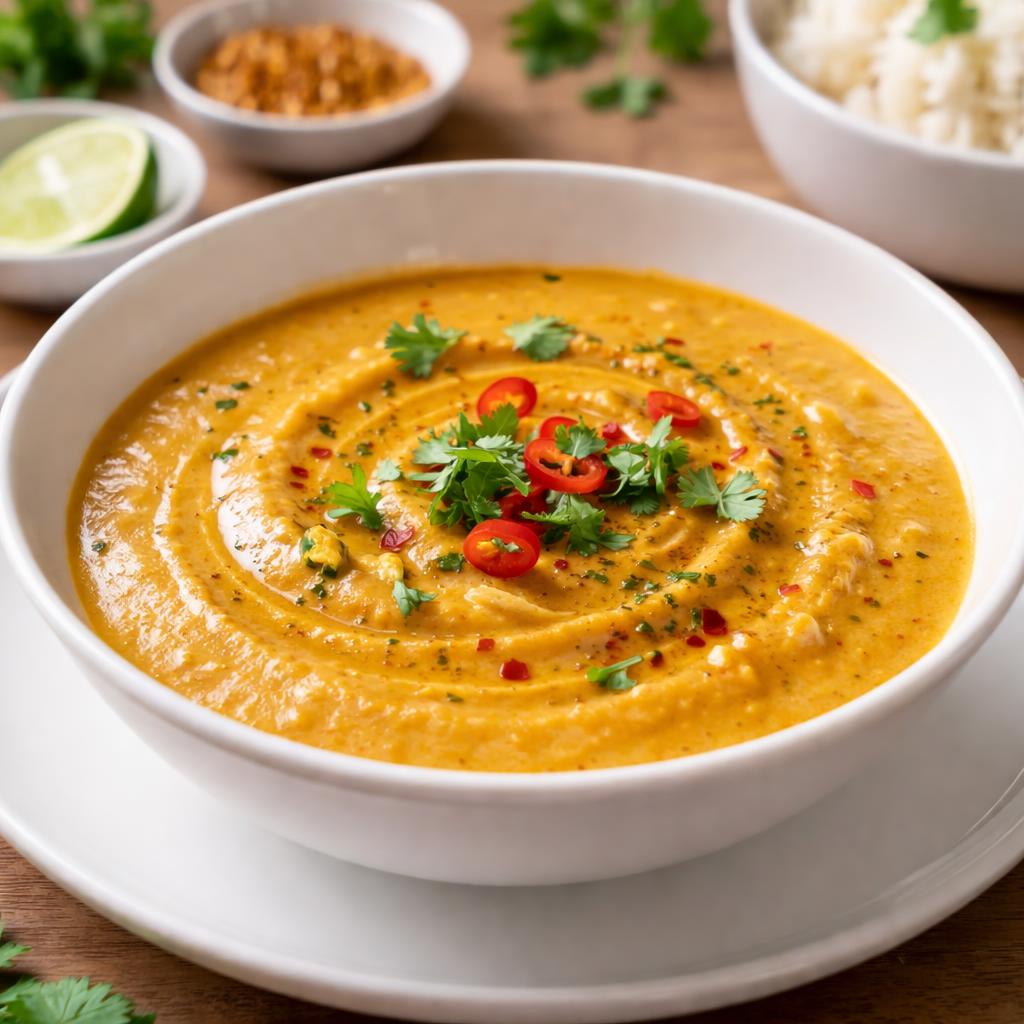
Curry Sauce
🎯 Quick Verdict
Tomatoes are significantly lower in calories, higher in fiber, and richer in essential vitamins compared to curry sauce, making them a healthier and nutrient-dense option overall. Curry sauce is more calorie-dense and typically contains fats and spices, making it suitable for flavor enhancement rather than as a primary nutrient source.

Smart Nutrition Tracking with SnapCalorie

📊 Nutritional Comparison
Macronutrients
| Nutrient | Food 1 | Food 2 | Winner |
|---|---|---|---|
| Calories | 18 | 120 | ✓ |
| Protein | 0.9g | 1g | ✓ |
| Carbs | 3.9g | 7g | ✓ |
| Fat | 0.2g | 10g | ✓ |
| Fiber | 1.2g | 0.3g | ✓ |
Vitamins & Minerals
| Nutrient | Food 1 | Food 2 | Winner |
|---|---|---|---|
| Vitamin C | 13.7mg | 4mg | ✓ |
| Vitamin A | 833IU | 350IU | ✓ |
| Potassium | 237mg | 150mg | ✓ |
🏆 Category Winners
Protein
Both foods have approximately 1g of protein, with no notable differences.
Fiber
Tomatoes provide 300% more fiber than curry sauce per serving.
Calories
Tomatoes have only 18 calories, while curry sauce contains 120 per serving.
Vitamins
Tomatoes are rich in vitamins C, A, and potassium, surpassing curry sauce in every category.
🥗 Diet Compatibility
Keto
Food 1: Compatible
Food 2: Compatible
Both foods are low-carb and acceptable for keto diets.
Vegan
Food 1: Compatible
Food 2: Compatible
Both are plant-based and fit vegan diets.
Gluten Free
Food 1: Compatible
Food 2: Potentially Compatible
Tomatoes are naturally gluten-free, while curry sauce may contain gluten depending on ingredients like thickening agents.
Paleo
Food 1: Compatible
Food 2: Potentially Compatible
Tomatoes fit paleo diets, but curry sauce may contain processed ingredients or non-paleo additives.
Low-Carb
Food 1: Compatible
Food 2: Compatible
Both foods are relatively low in carbs and can be included in low-carb diets.
💪 Health Benefits Comparison
Food 1 Benefits
- Rich in antioxidants like lycopene for heart health
- High in vitamin C, boosting immunity
- Provides vitamin A for eye health
- Supports hydration with its high water content
Food 2 Benefits
- Contains spices like turmeric, which may have anti-inflammatory properties
- Provides moderate amounts of healthy fats (if made with oils like coconut or olive)
- Adds flavor to dishes without excessive added sugars (if minimally processed)
- May include carotenoids depending on spices used
✅ The Bottom Line
Choose tomatoes when seeking nutrient density, lower calories, or versatile uses in salads and raw dishes. Opt for curry sauce as a flavorful addition to meals, complementing dishes without being the primary source of nutrition.
Choose Food 1 for: Weight loss, nutrient-dense snacks, salads, hydration
Choose Food 2 for: Flavor enhancement, heart-healthy spices, richness in cooked dishes


